Morocco the Casbah
Almost a year had passed since I celebrated my hundredth country in Malta, an unusually lengthy interruption to my travels brought about by extensive house renovations and the arrival of Frank, our increasingly demanding Cocker Spaniel. With the house finally resembling somewhere fit for human habitation, and Frank temporarily entrusted to someone considerably more responsible, it was time to resume my quest to visit all 196 sovereign states. Nation 101 was Morocco, a country I’d long wanted to explore, beginning with its wonderfully chaotic former imperial capital, Marrakesh. Founded in 1070 by the Almoravid dynasty, the city’s distinctive terracotta buildings have earned it the nickname ‘Red City’, although this rather unimaginative description does little justice to the extraordinary colours concealed within its ancient medina.
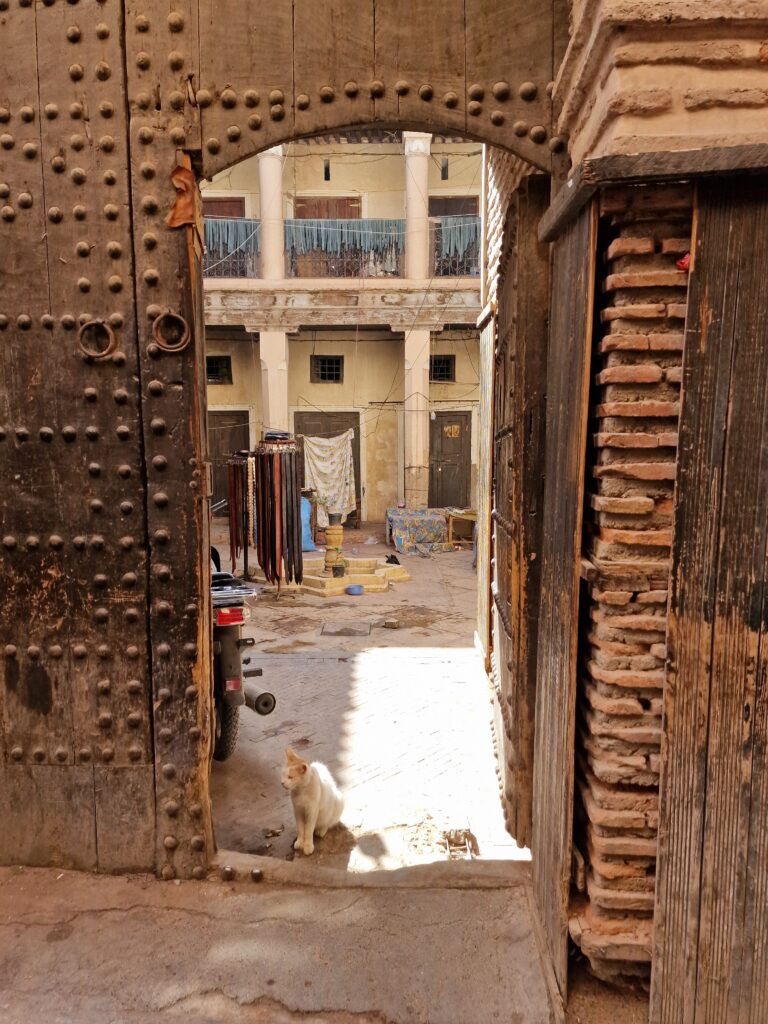
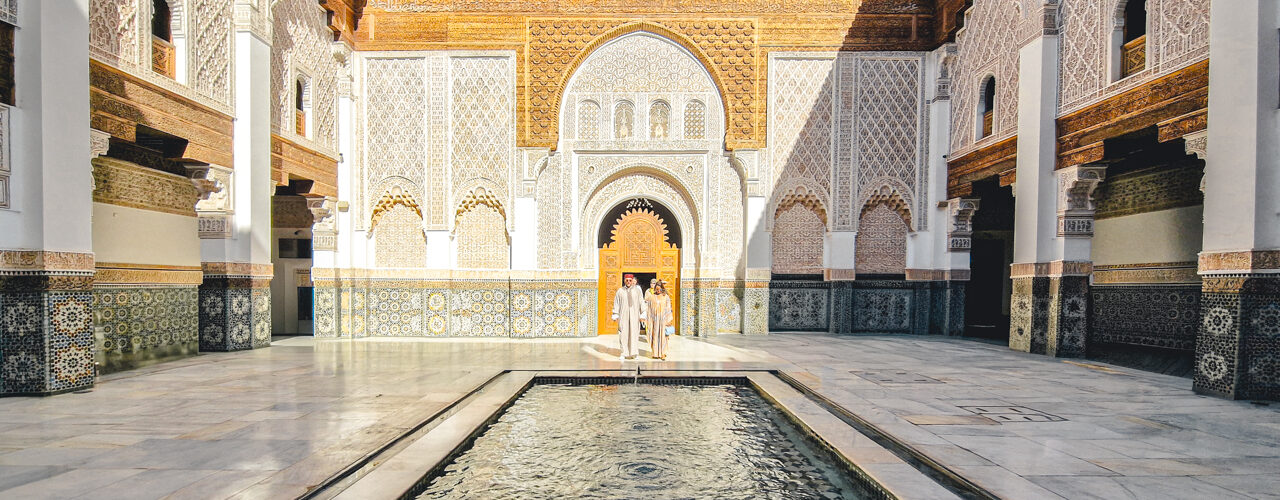
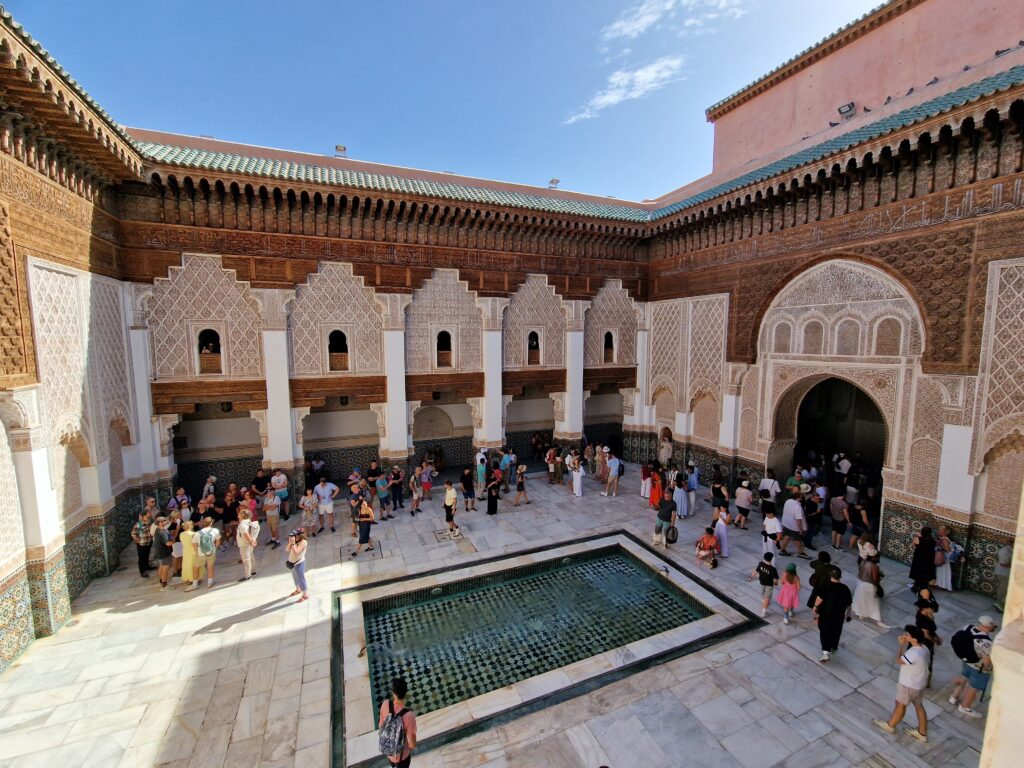
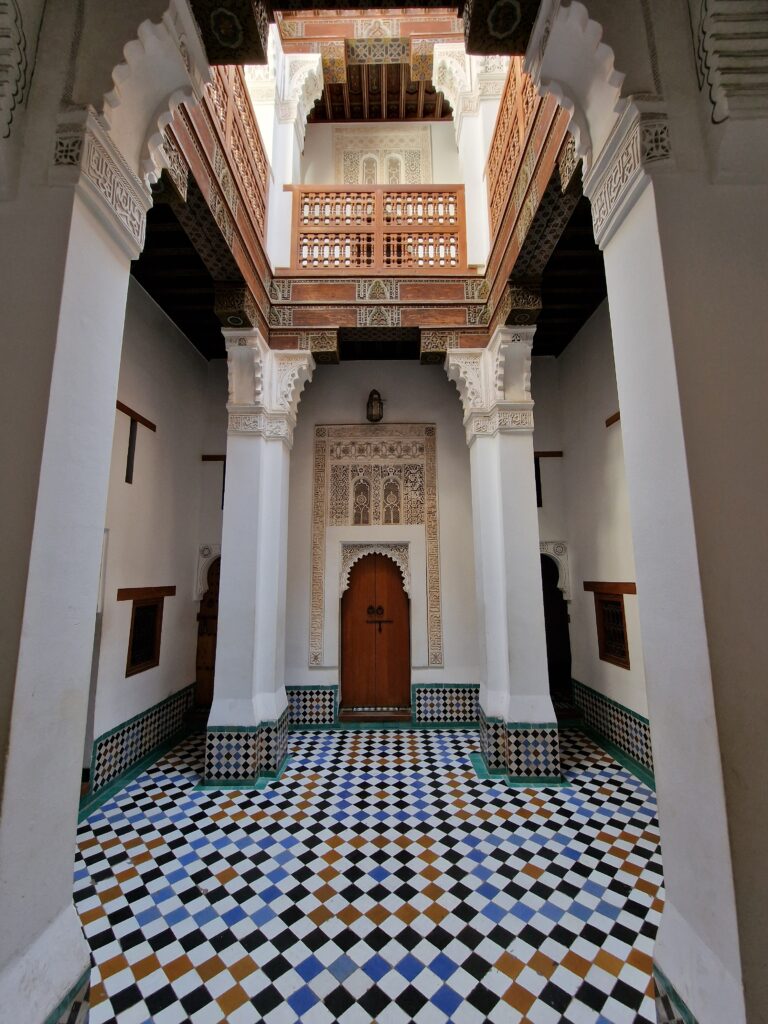
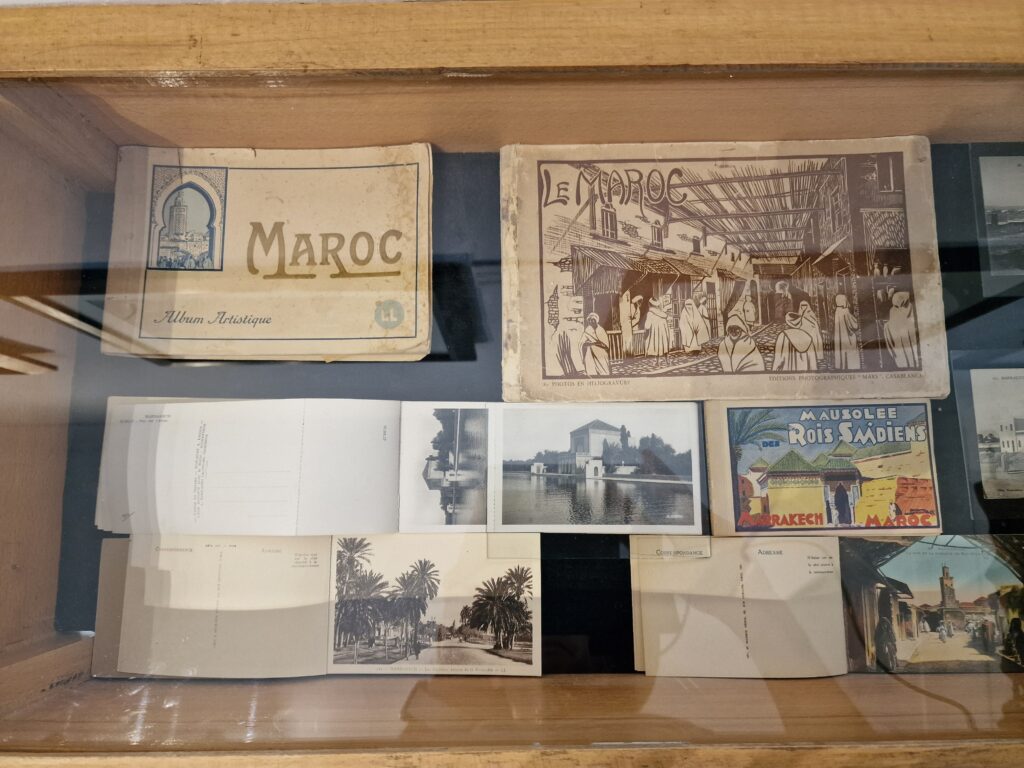
The magnificent Ben Youssef Madrasa provided an excellent introduction to Morocco’s extraordinary architectural heritage. Rebuilt during the sixteenth century under the Saadian dynasty, this former Islamic college once accommodated hundreds of students studying theology and religious law. Its exquisite central courtyard, decorated with intricate geometric mosaics and elaborately carved cedarwood, was particularly impressive, although the students themselves endured considerably less luxurious accommodation. Indeed, the cramped, sparsely furnished sleeping quarters suggested that student accommodation more broadly had made remarkably little progress in the intervening five centuries. The nearby Maison de la Photographie offered a fascinating collection of historic Moroccan photographs, documenting a country that has undergone enormous transformation over the past century. While on the rooftop terrace, an unexpected military flypast thundered across the skyline, providing an impressive aerial display akin to the Red Arrows.
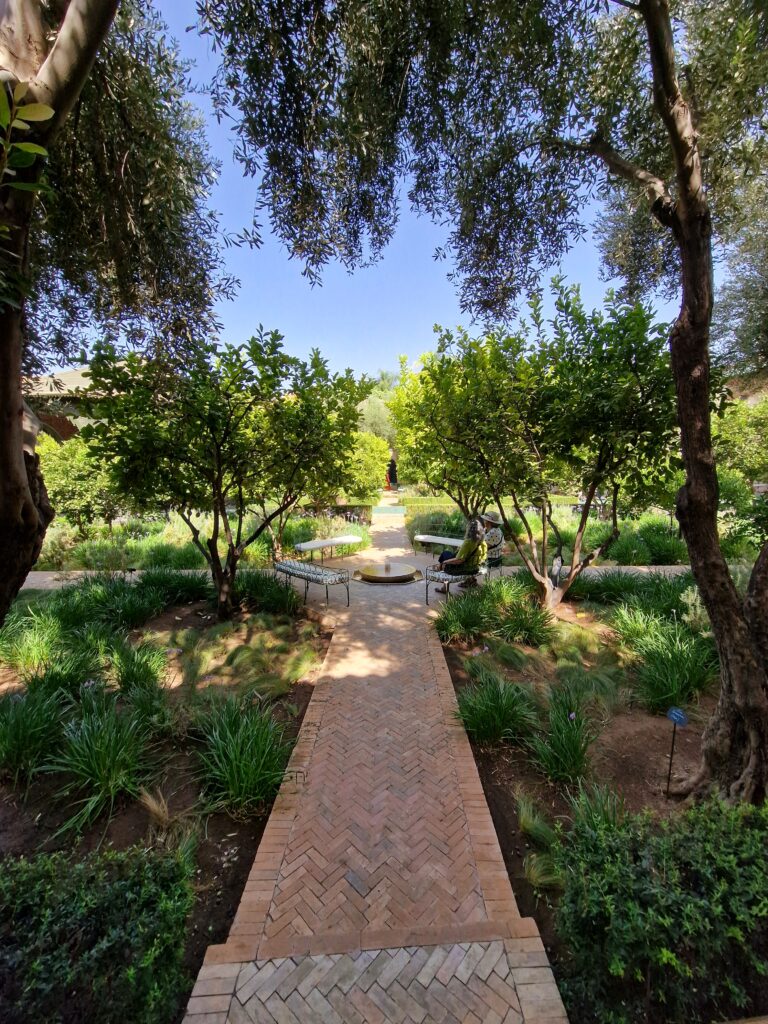
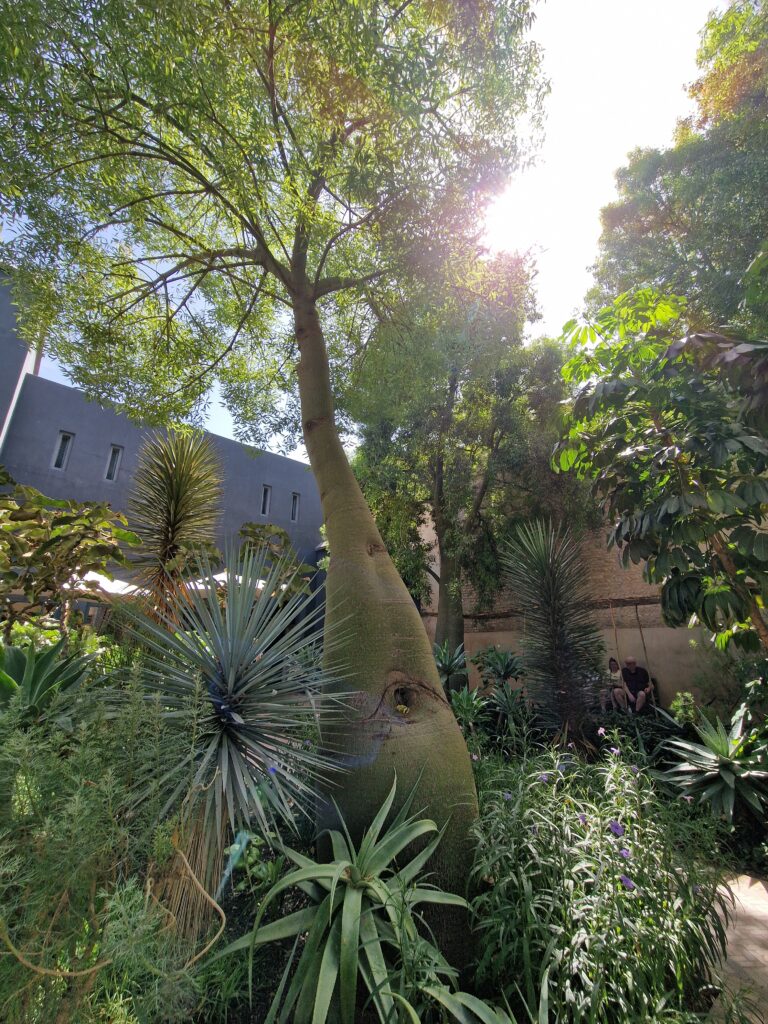
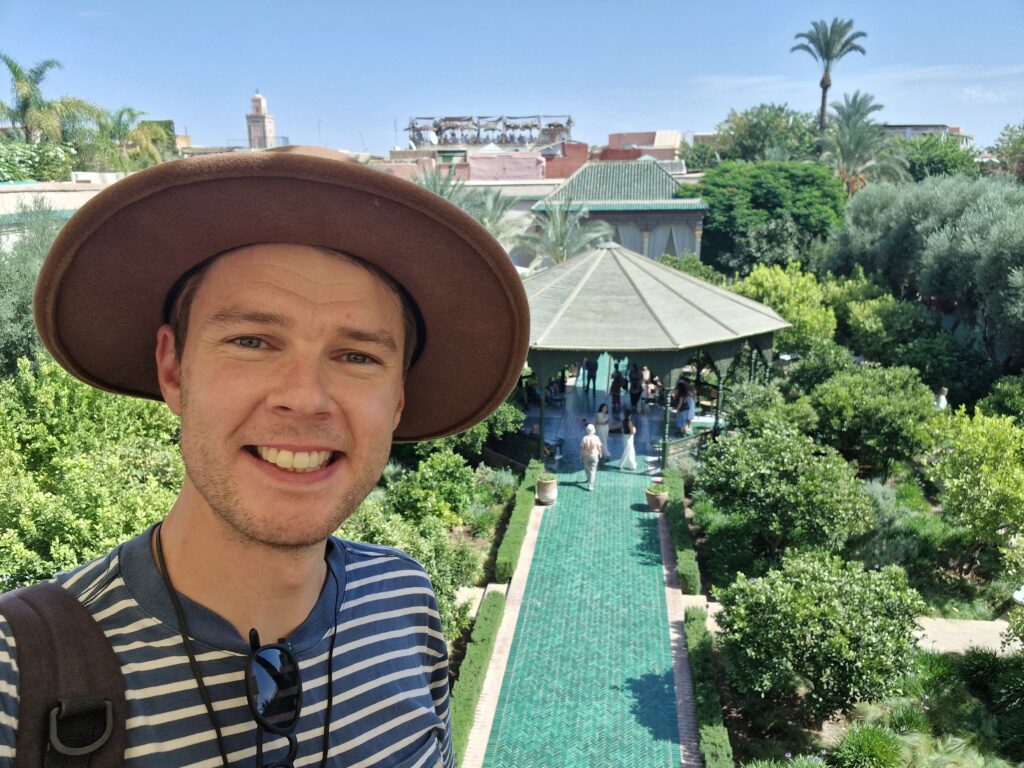
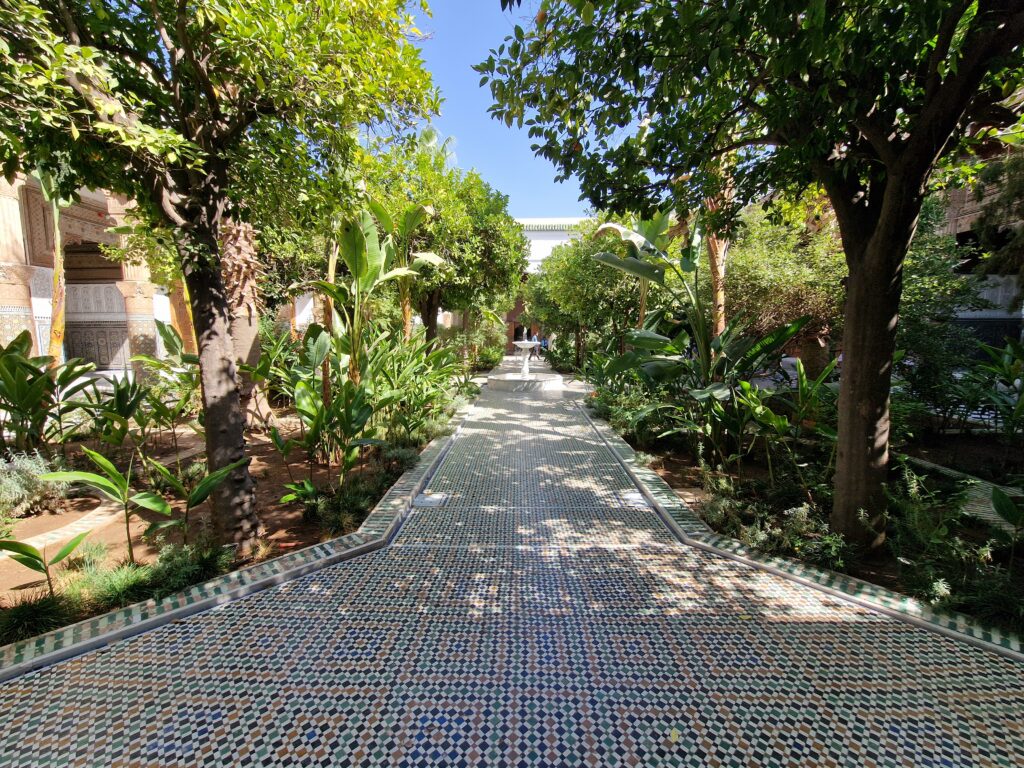
Marrakesh’s relentless noise and activity make its pockets of tranquillity particularly appealing, and few are more appealing than Le Jardin Secret. Dating back to the sixteenth-century Saadian dynasty, this former palace complex was rebuilt during the nineteenth century before falling into disrepair and eventually reopening in 2016. Behind its imposing terracotta walls, immaculate gardens are divided between traditional Islamic and exotic designs, with fragrant greenery surrounding beautifully symmetrical pathways and narrow irrigation channels. The latter are particularly impressive, drawing upon centuries-old Moroccan engineering to distribute precious water throughout the grounds. The peaceful surroundings provided some welcome respite from the medina’s relentless commercial enthusiasm, which had reached almost Istanbul levels of pestering.
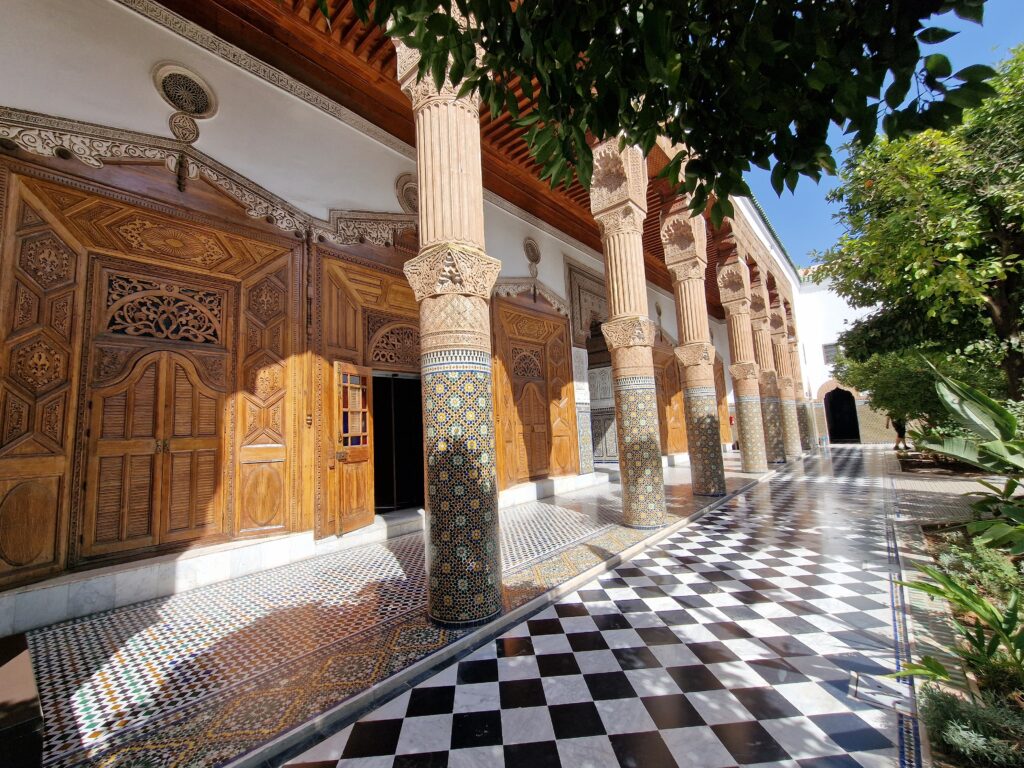
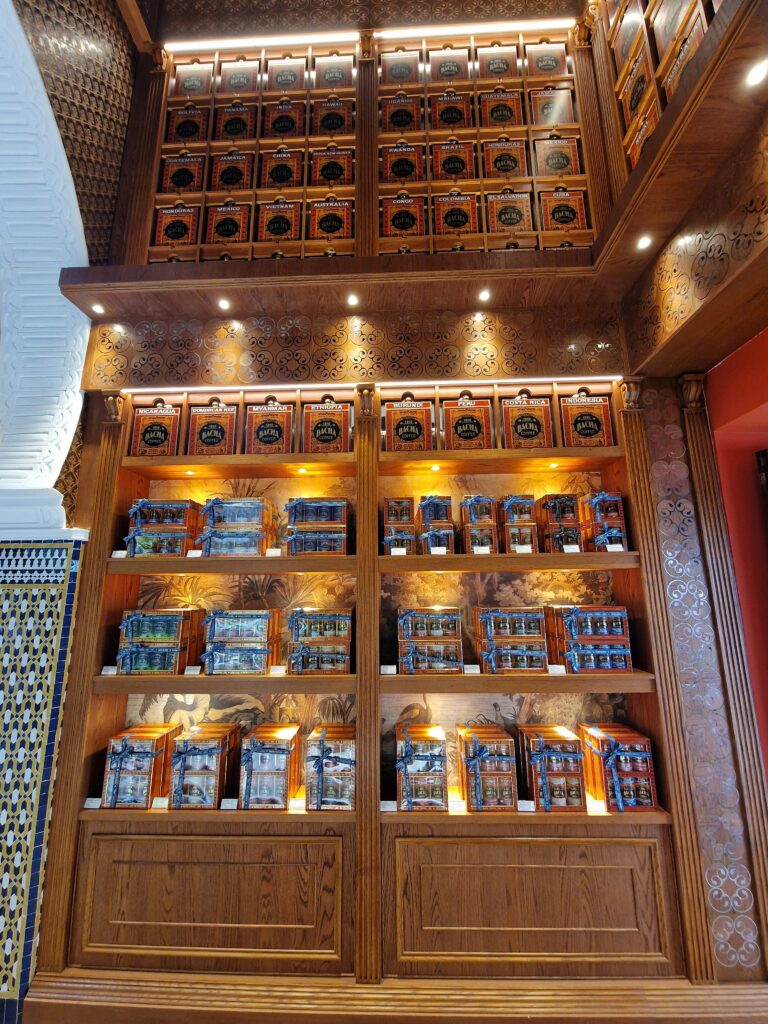
One of Marrakesh’s greatest pleasures is discovering the remarkable interiors concealed behind its otherwise unremarkable terracotta walls. Nowhere was this more evident than Dar El Bacha, the former residence of Thami El Glaoui, the notoriously powerful Pasha of Marrakesh during the French protectorate. Behind its imposing entrance lay exquisite tiled courtyards and magnificently decorated chambers that revealed the considerable wealth enjoyed by Morocco’s former ruling elite. Nowadays, the palace houses the Museum of Confluences, alongside an extravagant coffee establishment boasting an almost absurd selection of international beans, as well as even more absurd prices.
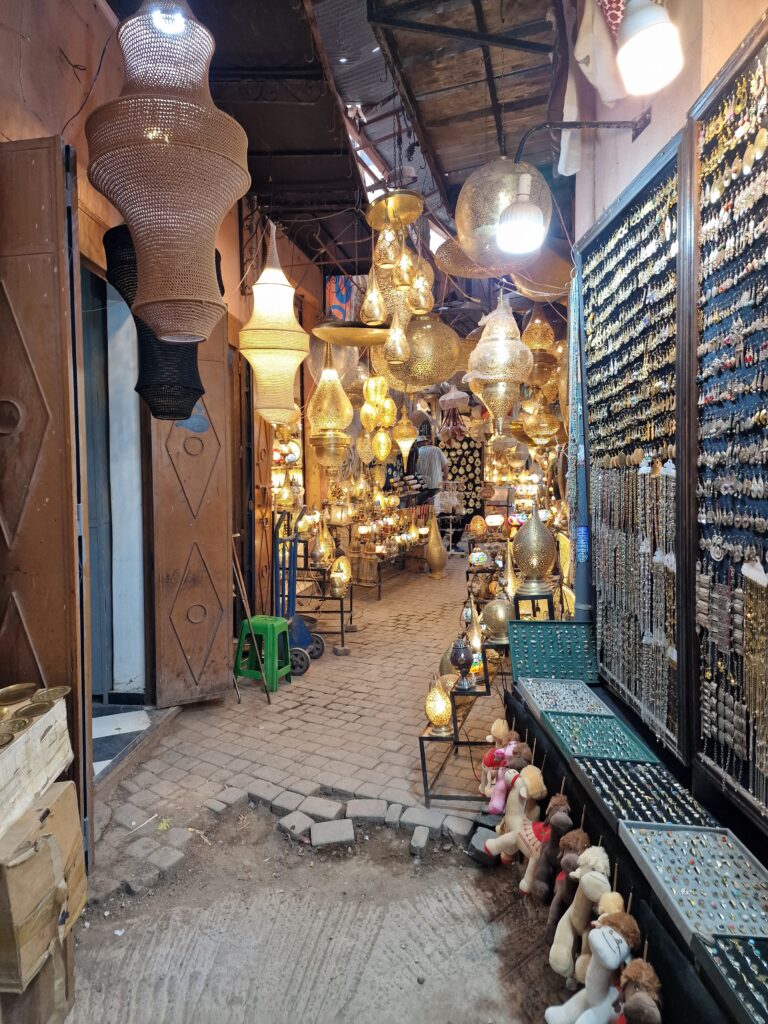
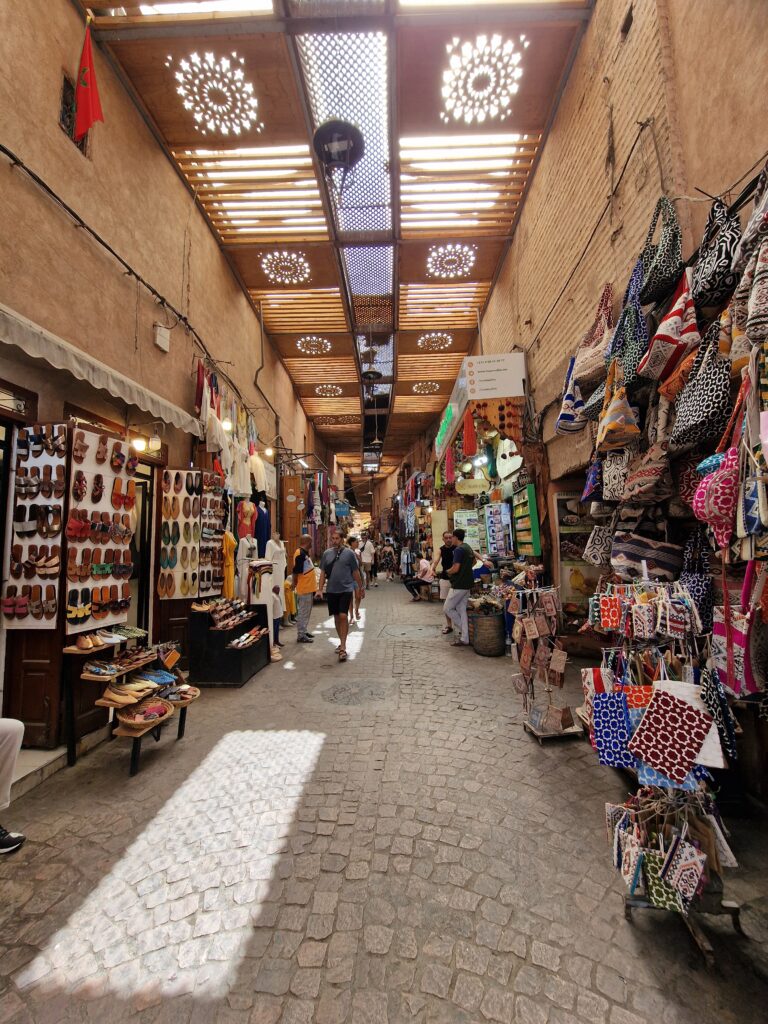
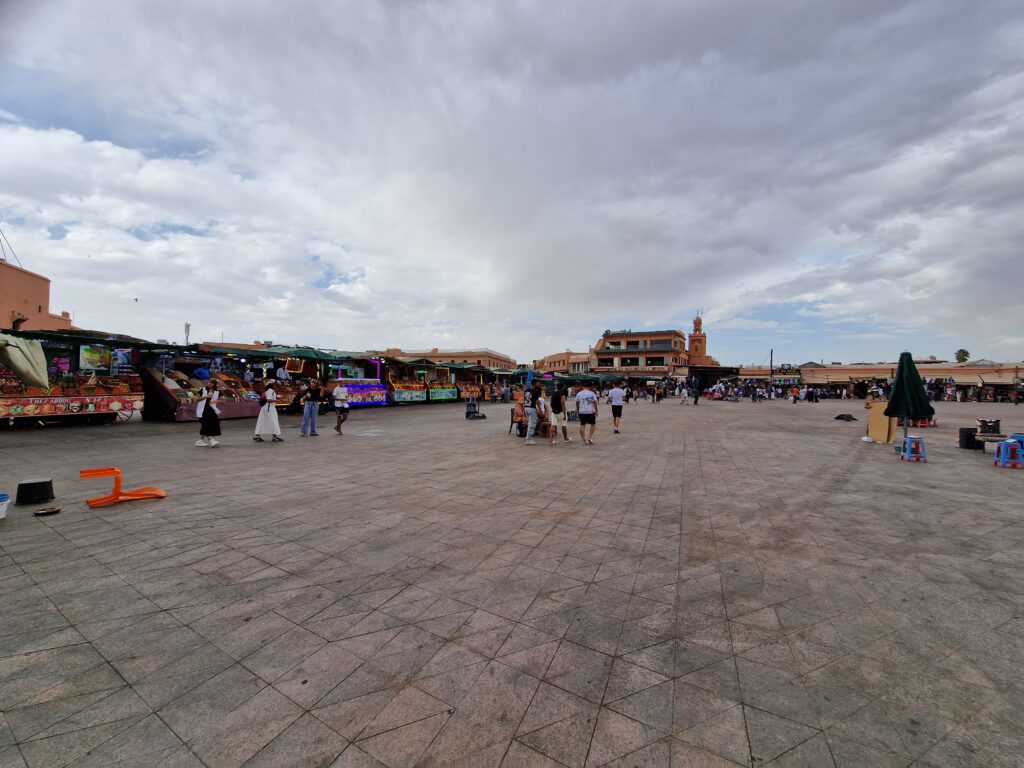
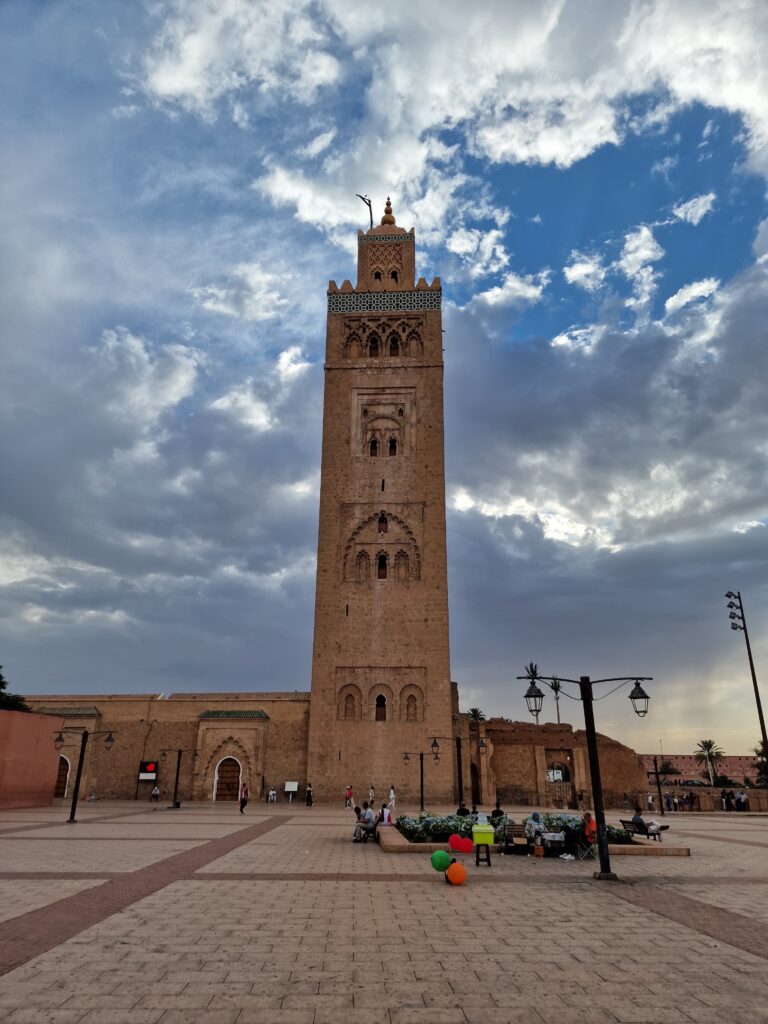
Eventually, the medina’s cramped passageways surrendered to the enormous expanse of Jemaa el-Fnaa, Marrakesh’s celebrated central square. Historically an important centre of commerce and public entertainment, it remains the city’s principal gathering place, although modern-day hustling has developed into a particularly sophisticated local industry. Between the persistent spice sellers and enthusiastic gentlemen offering unsolicited assistance, it was becoming increasingly difficult to travel more than five yards without entering some form of commercial negotiation. Beyond the square rises the magnificent Koutoubia Mosque, constructed during the twelfth century under the Almohad dynasty. Its seventy-seven-metre minaret dominates the surrounding skyline and provided a useful geographical reference whenever my increasingly unreliable sense of direction failed me. Having spent much of the day negotiating crowded markets and resisting determined spice sellers, I felt I’d earned a particularly cold lager, although locating one in the medina took far longer than I would’ve liked.
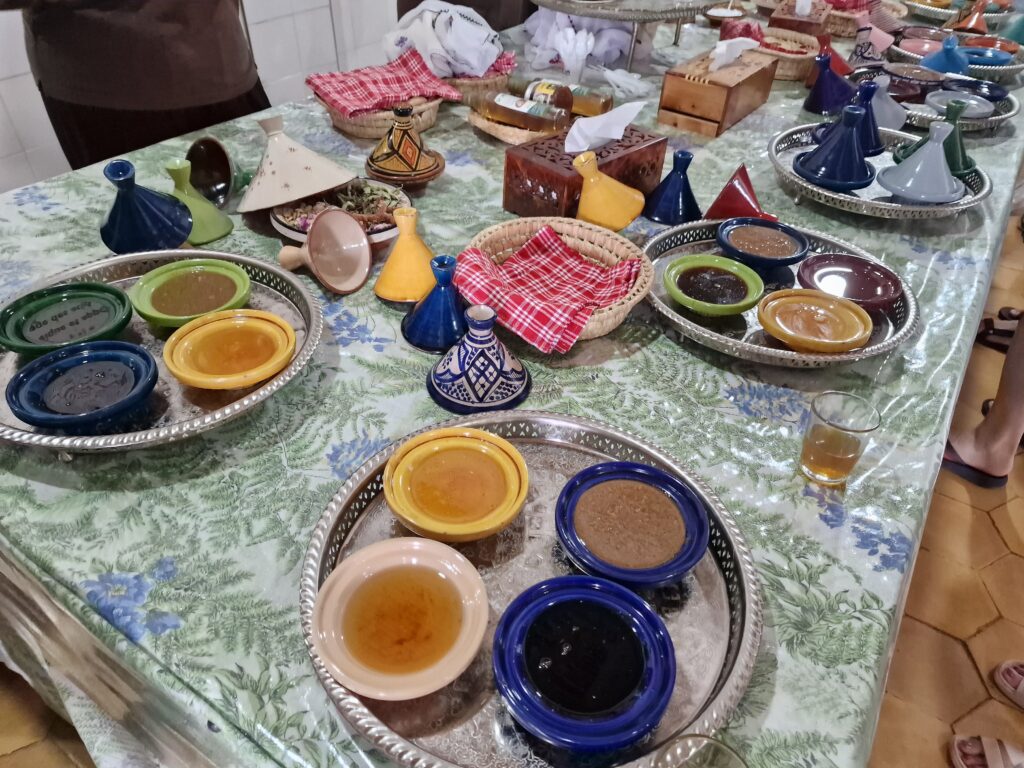
After days enduring Marrakesh’s considerable commercial enthusiasm, the prospect of somewhere a little quieter was becoming increasingly attractive. Approximately three hours west of Marrakesh lies Essaouira, a historic port town whose eighteenth-century fortifications reflect Morocco’s long commercial relationship with Europe. Along the way, I encountered another of the country’s celebrated exports: argan oil. Produced from the nuts of trees native to southwestern Morocco, its extraction traditionally involves an extraordinarily laborious process of cracking and grinding, demonstrated at a local cooperative. The coastal town itself was a wonderful contrast to where I had visited up to now, with brilliant, whitewashed buildings overlooking the Atlantic and an unusually relaxed atmosphere.
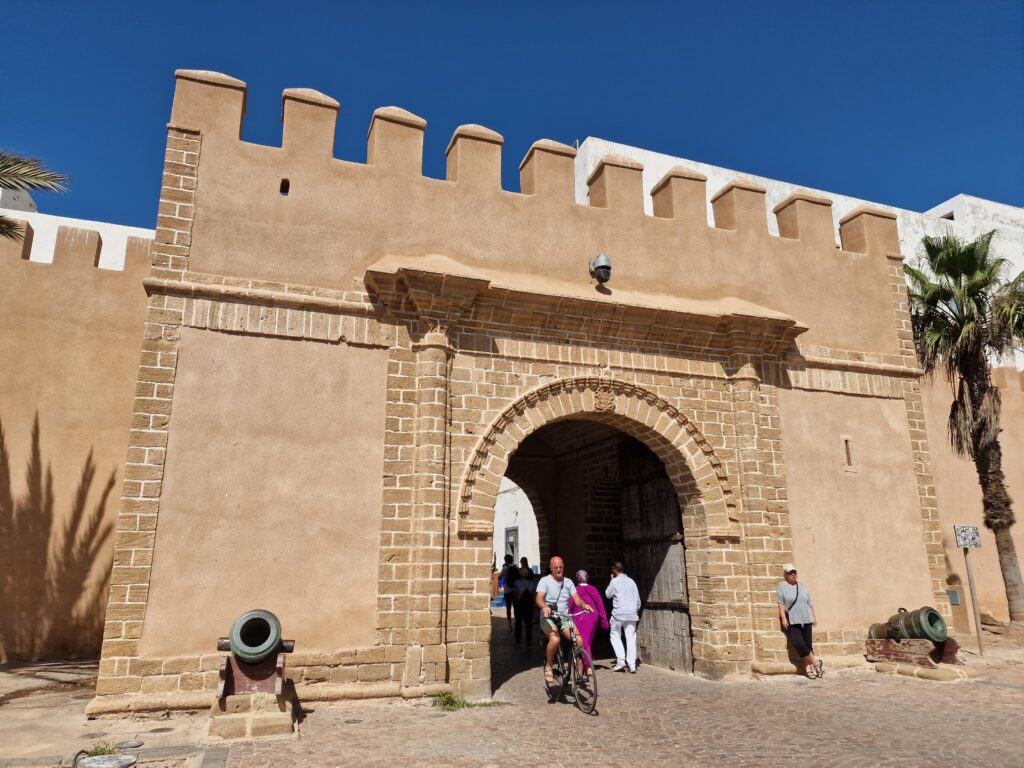
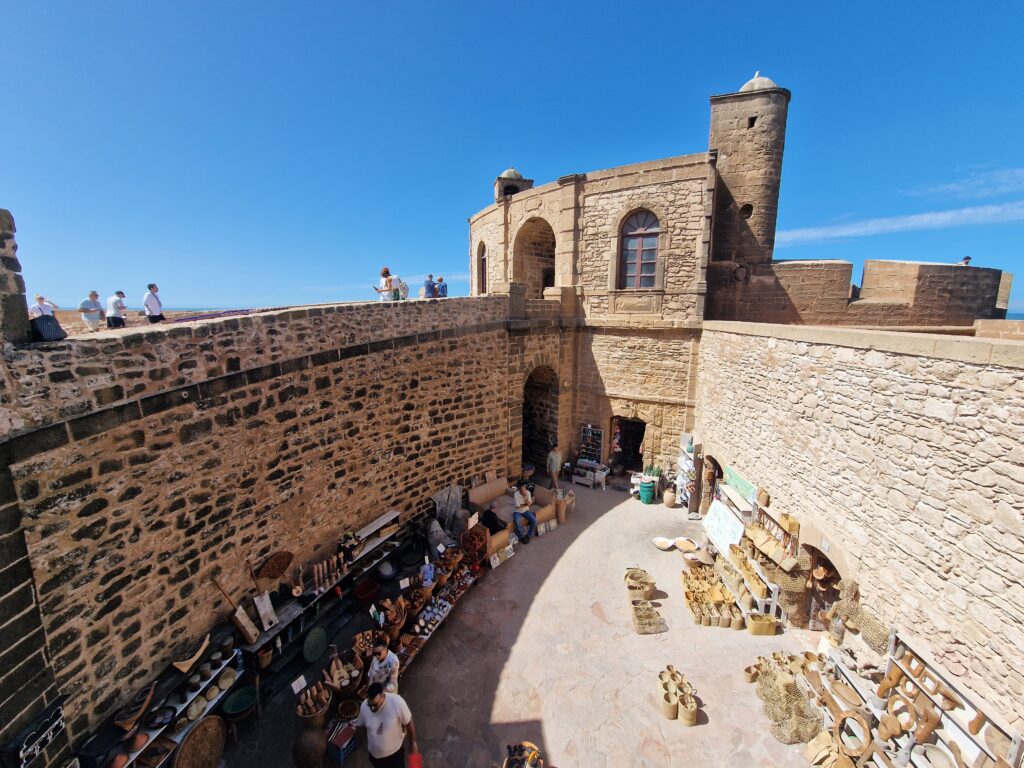
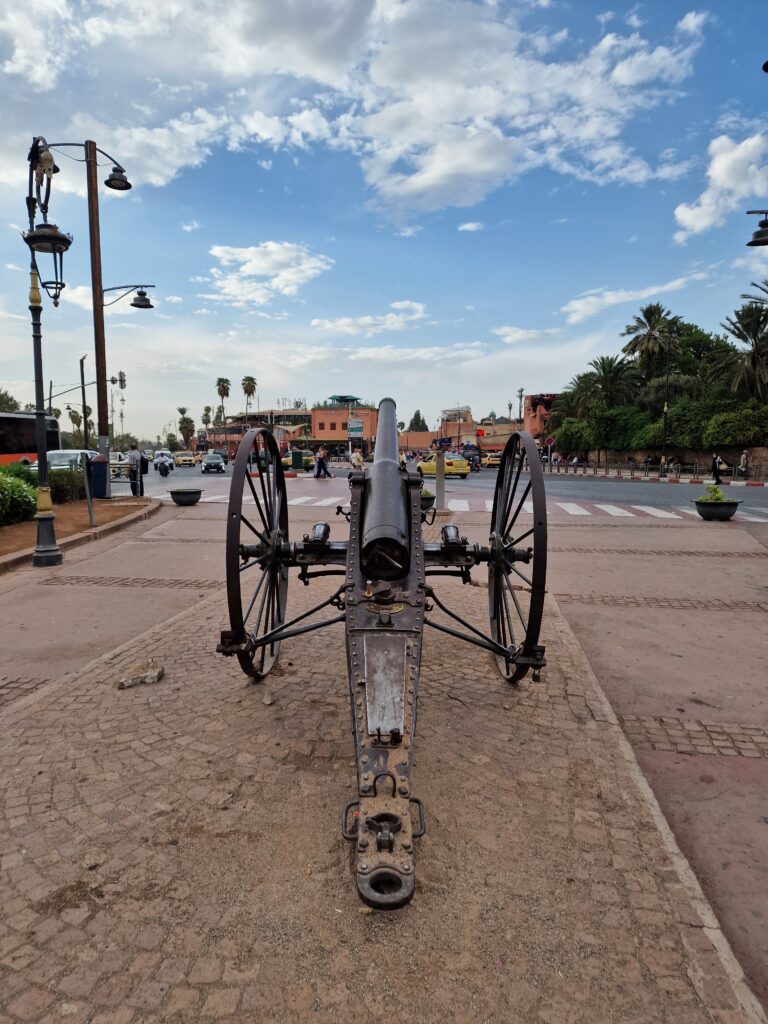
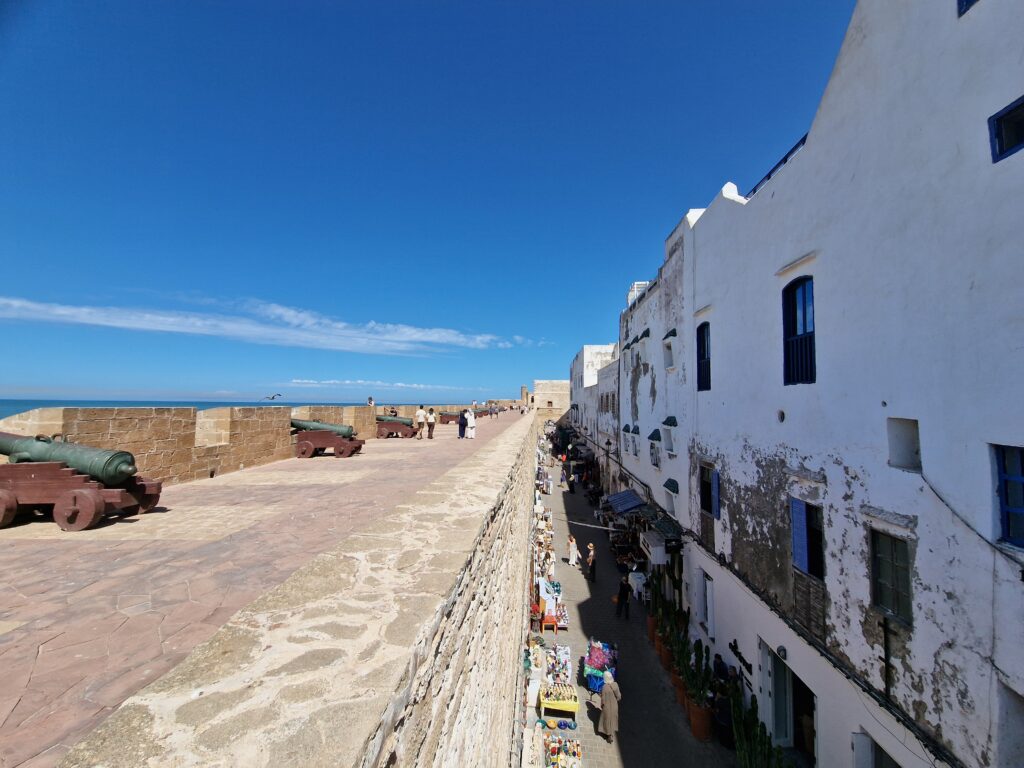
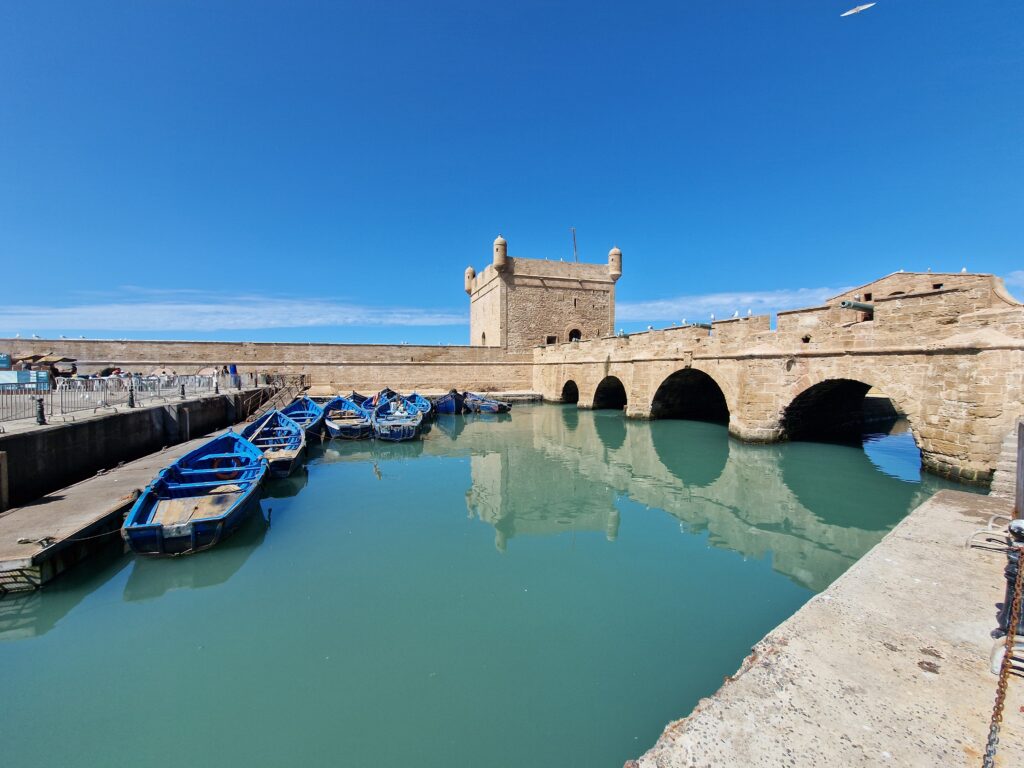
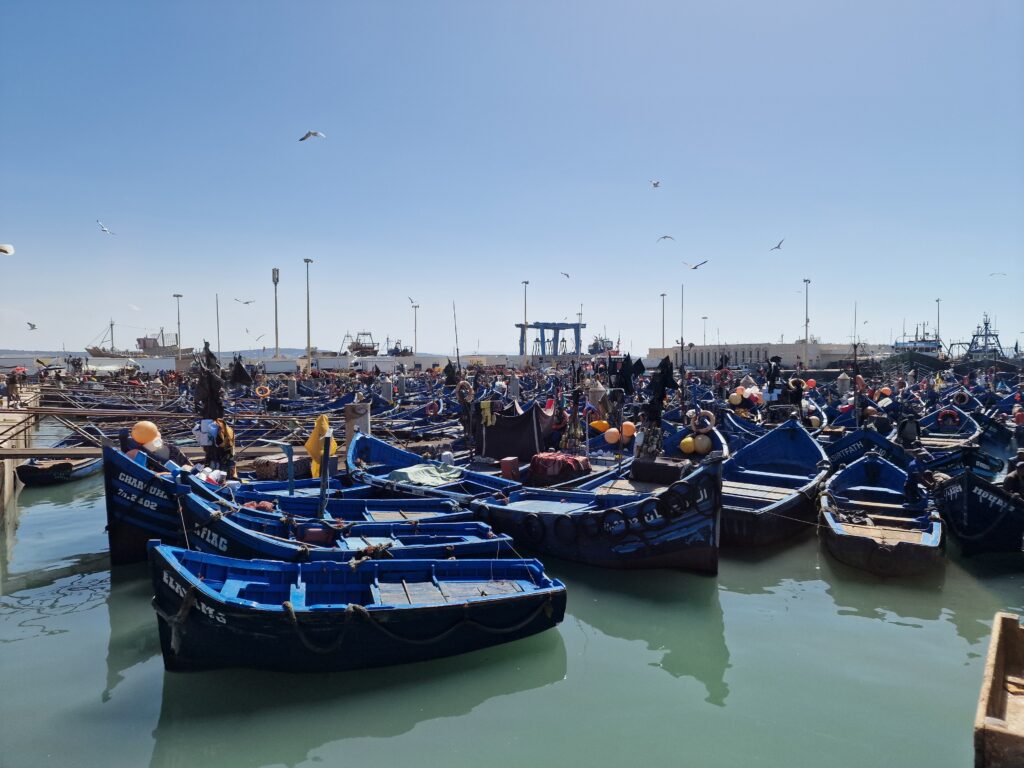
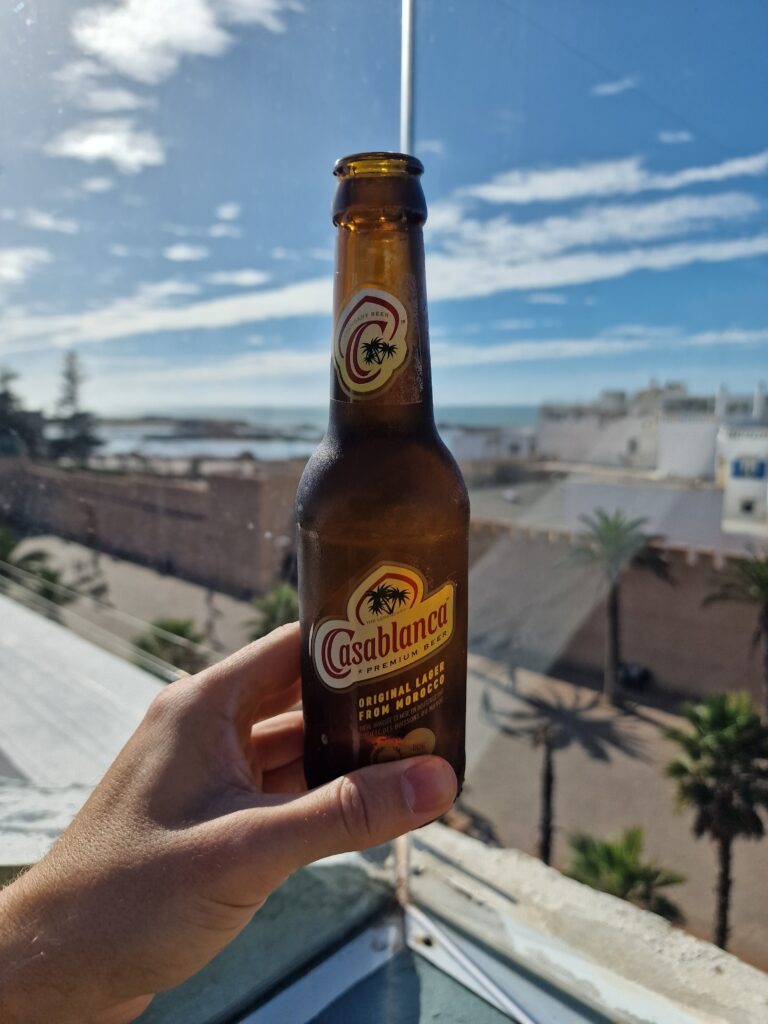
Essaouira’s magnificent coastal ramparts were undoubtedly the highlight of my visit. Designed with European military engineering influences, the eighteenth-century fortifications are lined with enormous bronze cannons overlooking the crashing Atlantic waves. Below, the historic harbour was overflowing with distinctive blue fishing boats, while opportunistic seagulls enthusiastically investigated the day’s catch. The compact medina was equally appealing, its weathered buildings concealing bustling markets and narrow cobbled passageways. After exploring the expansive sandy beach, I eventually located a rooftop terrace overlooking the ancient walls, where a wonderfully chilled Casablanca lager brought a restful day to a satisfying conclusion. With the formidable Atlas Mountains still awaiting me, however, I suspected the tranquillity wouldn’t last.
J