Lebanon a Prayer
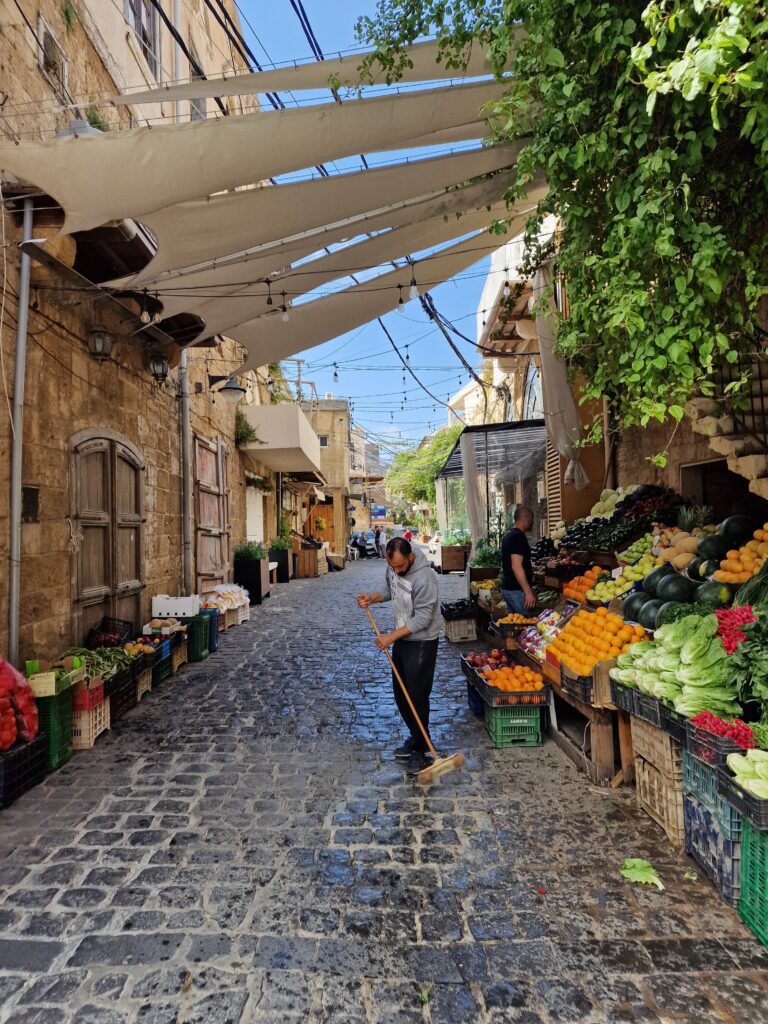
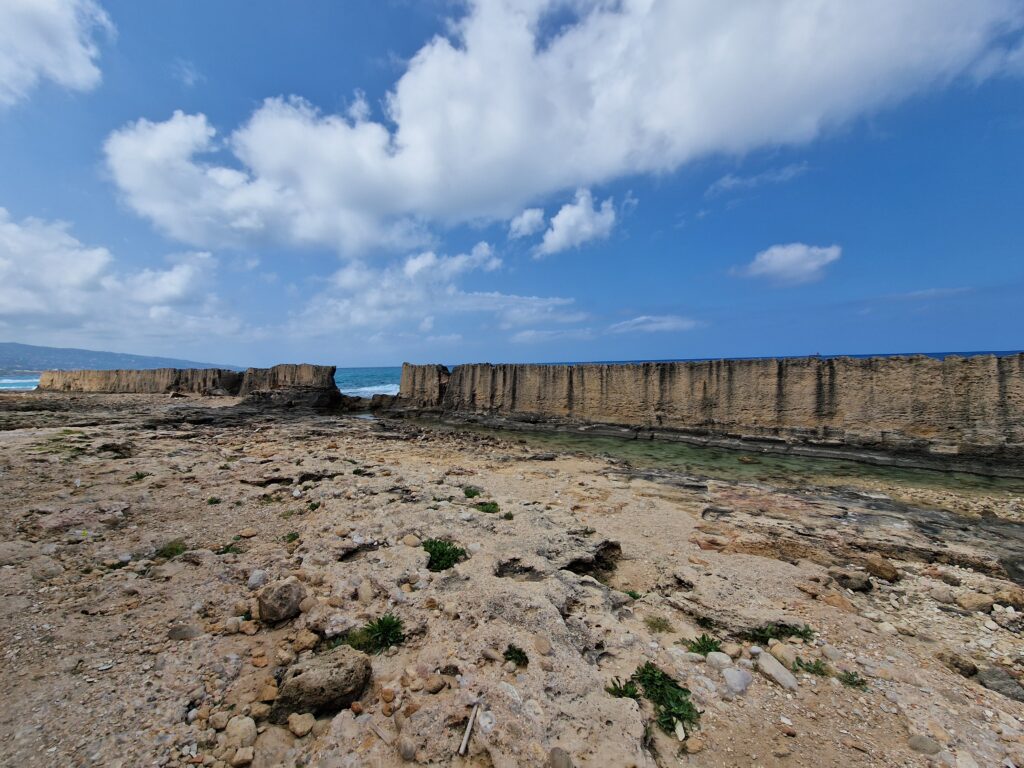
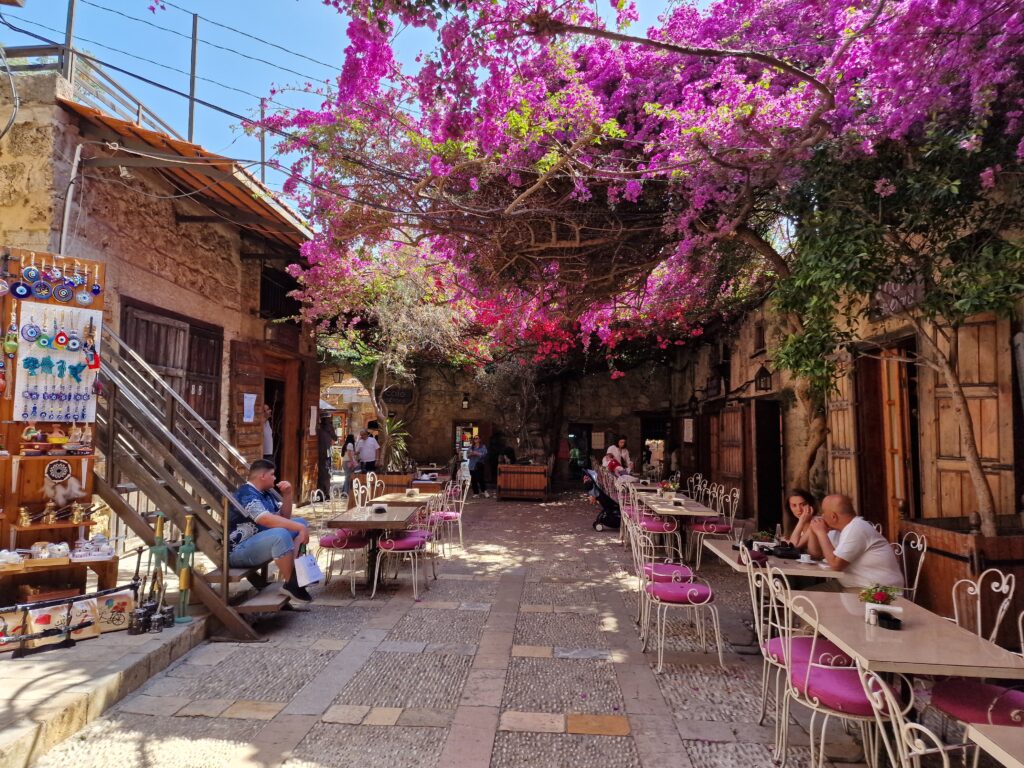
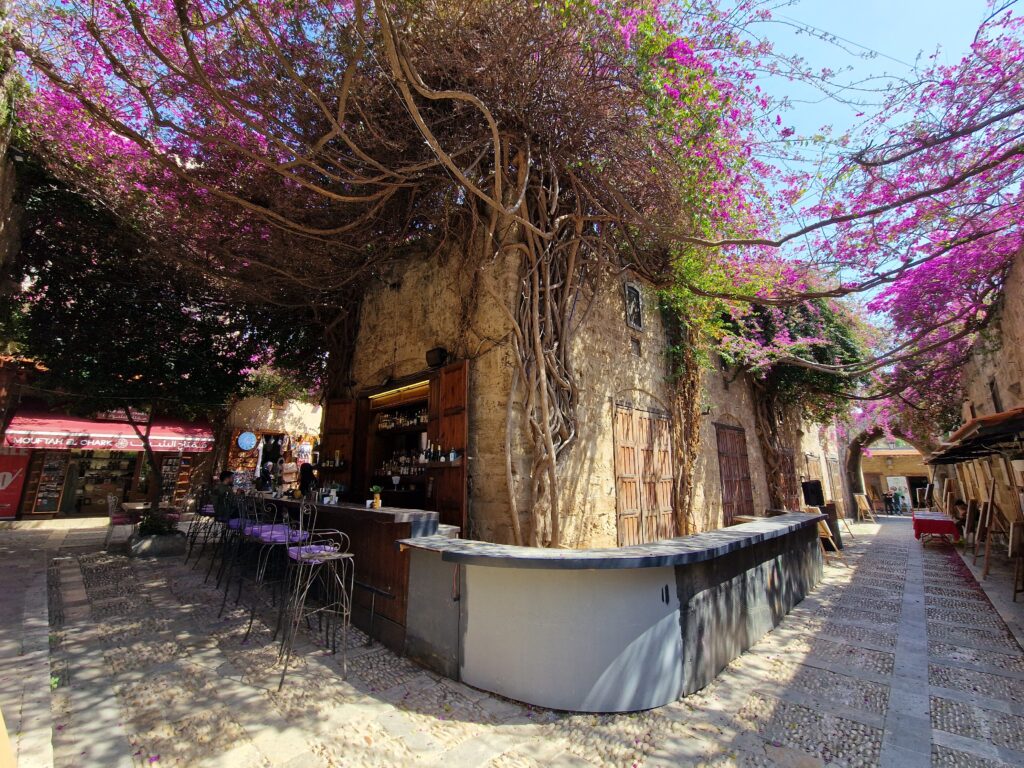
After the infamous lead pipe affair on Beirut’s outskirts, my trip around Lebanon took a gentler turn with a drive north to the picturesque coastal town of Batroun. The weather was perfect: a sweltering Mediterranean morning under a sharp blue sky. The town’s winding streets were almost empty but for Bougainvillea cascading from stone walls in daring pinks and purples, dangling over café tables and local drunks. Being the sort of person who gets excited about ancient masonry, I made a beeline for the town’s most famous feature: the Phoenician wall. Built in the third century BC, it stretches about two hundred metres along the shore, originally serving as a breakwater to shield the harbour from violent storms and naval invaders. Farage is taking note.
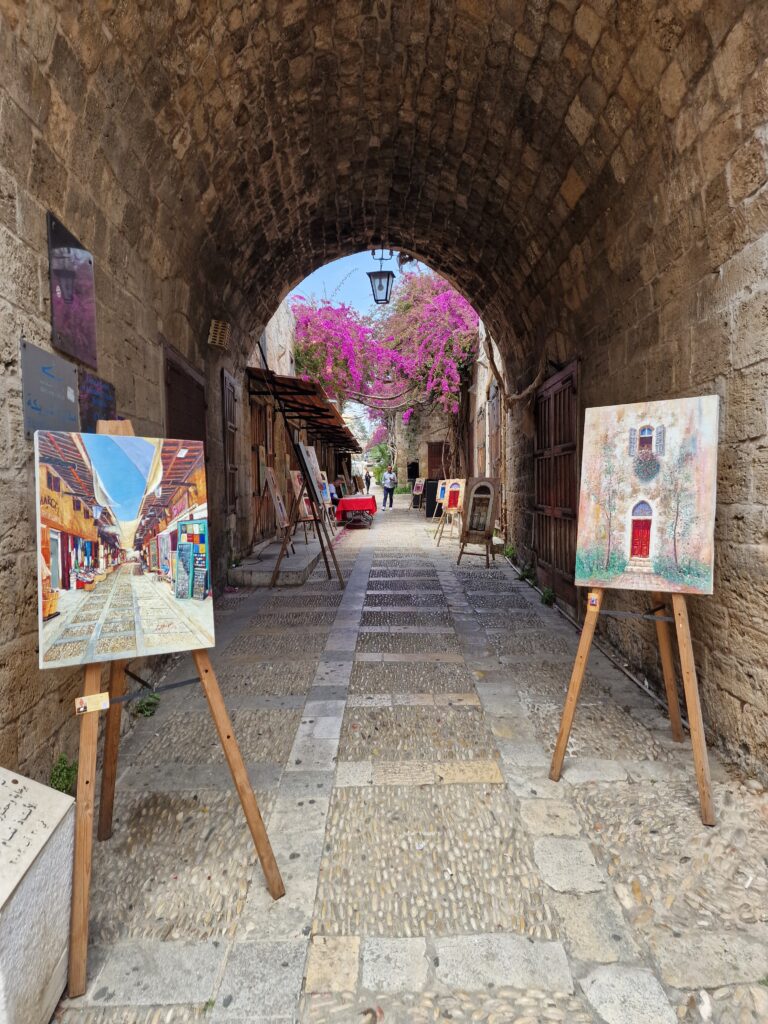
A little further down the coast sits Byblos, a city so ancient it makes Rome feel like a Barratt cul-de-sac. It is thought to have been continuously inhabited for over 7,000 years; few places in the world can claim such uninterrupted continuity. The site’s earliest settlements date to the Neolithic era, long before the emergence of written language, and by 3000 BC, it had become one of the major ports of the Phoenician world. From here, traders exported cedarwood, glass, and papyrus to Egypt and the Mediterranean, helping to shape the very idea of commerce. Today, the city is a graceful blend of ruins and restoration. Its stone houses, Crusader walls, and Roman columns rise in stages above the sea, surrounded by gardens, palm trees, and the same purple flowers that had filled the streets of Batroun. A stunning stop.
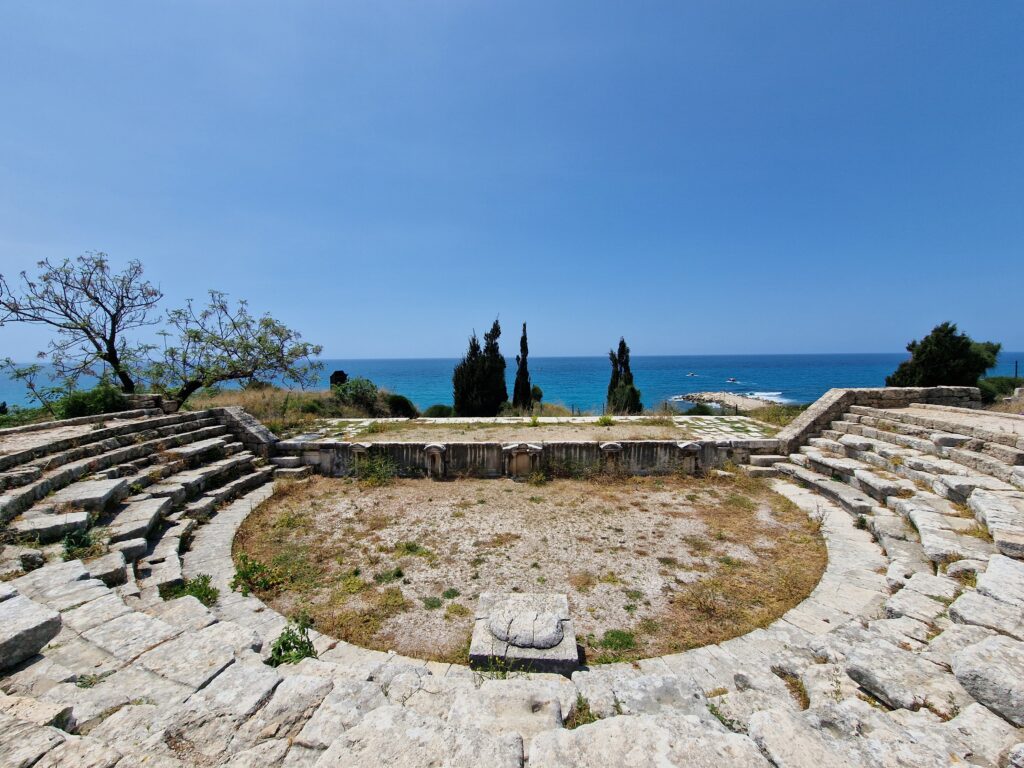
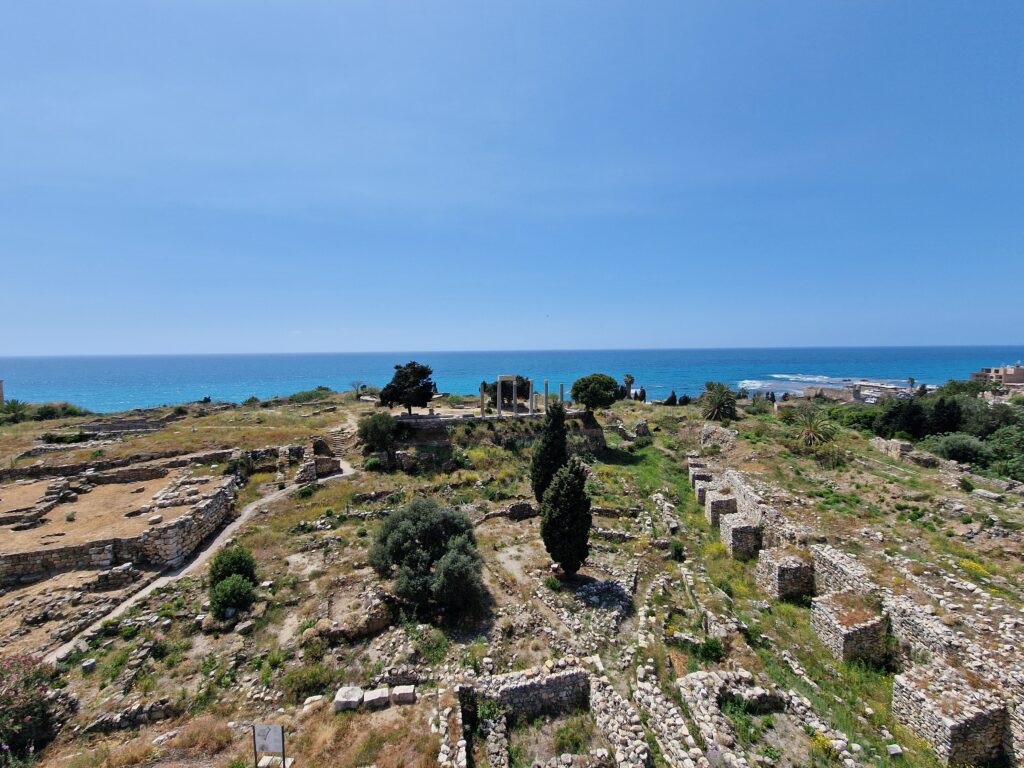
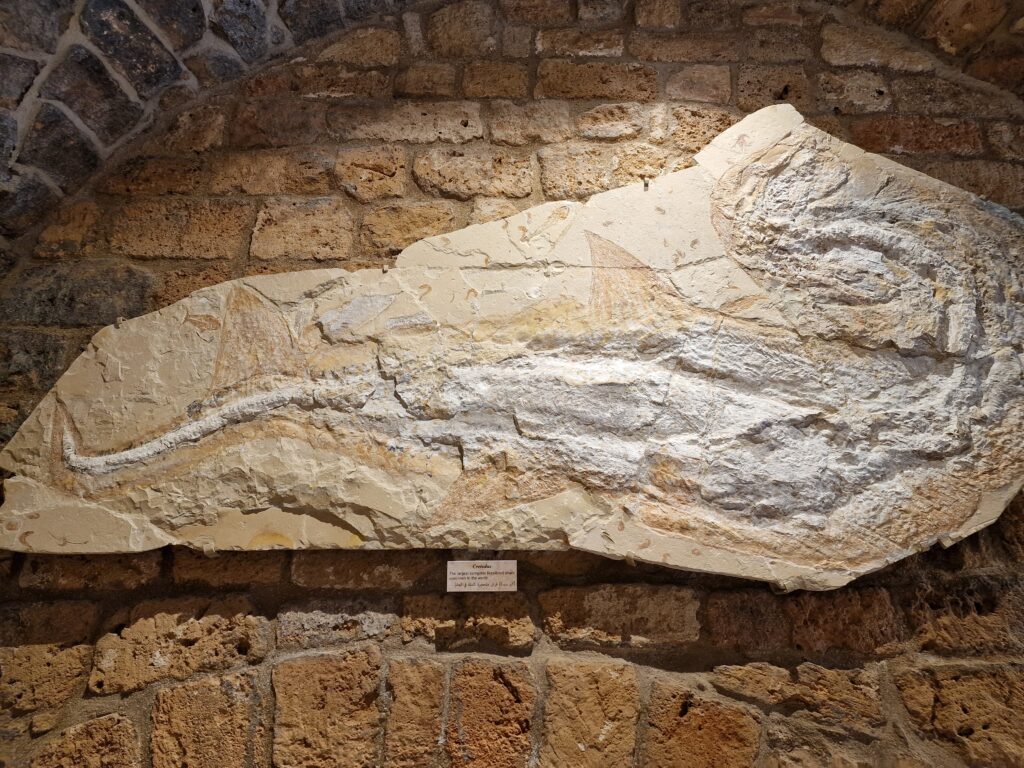
The archaeological site itself is a patchwork of civilisations, an open-air time machine where Bronze Age temples and columns stand beside Roman theatres and Byzantine streets. The great Crusader castle, built in the twelfth century, dominates the site, its pale limestone walls repaired with blocks taken from some of the older structures that surround it. From the top of its towers, the view sweeps across the ruins to the Mediterranean beyond. A nearby fossil museum highlights that the area is not only rich in human history but also in ancient animals, too. Collecting since the 1930s, the Abi Saad family have become expert archaeologists and fossil finders and now house some of the rarest specimens in the region, including the largest complete fossilised shark in the world.
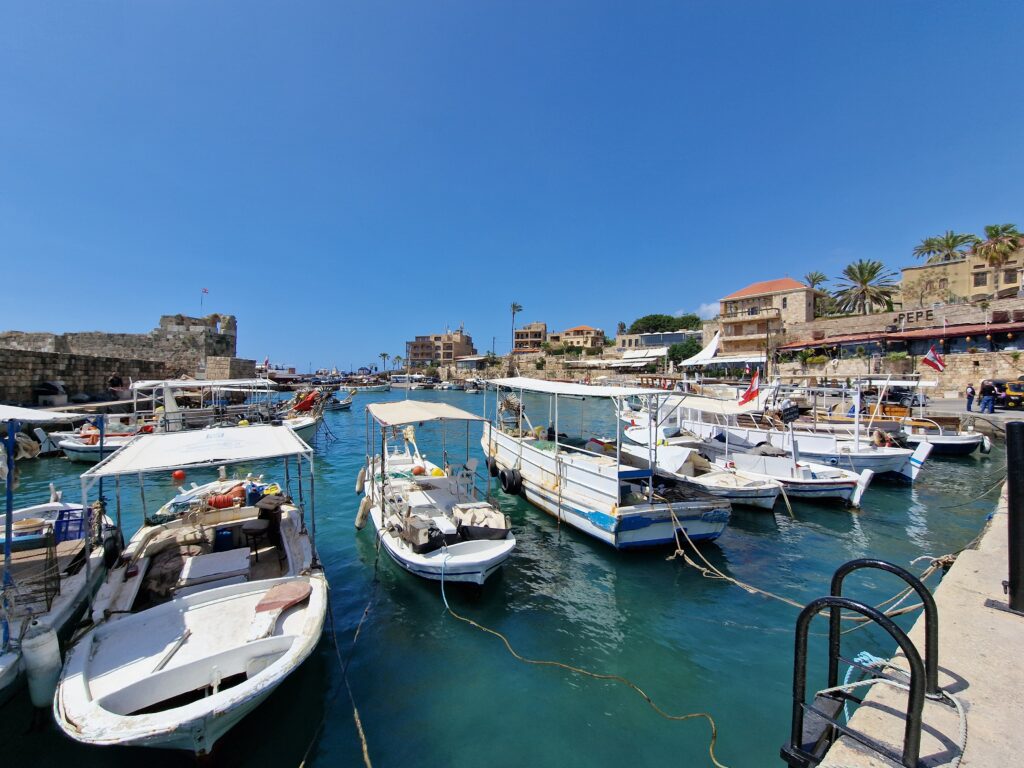
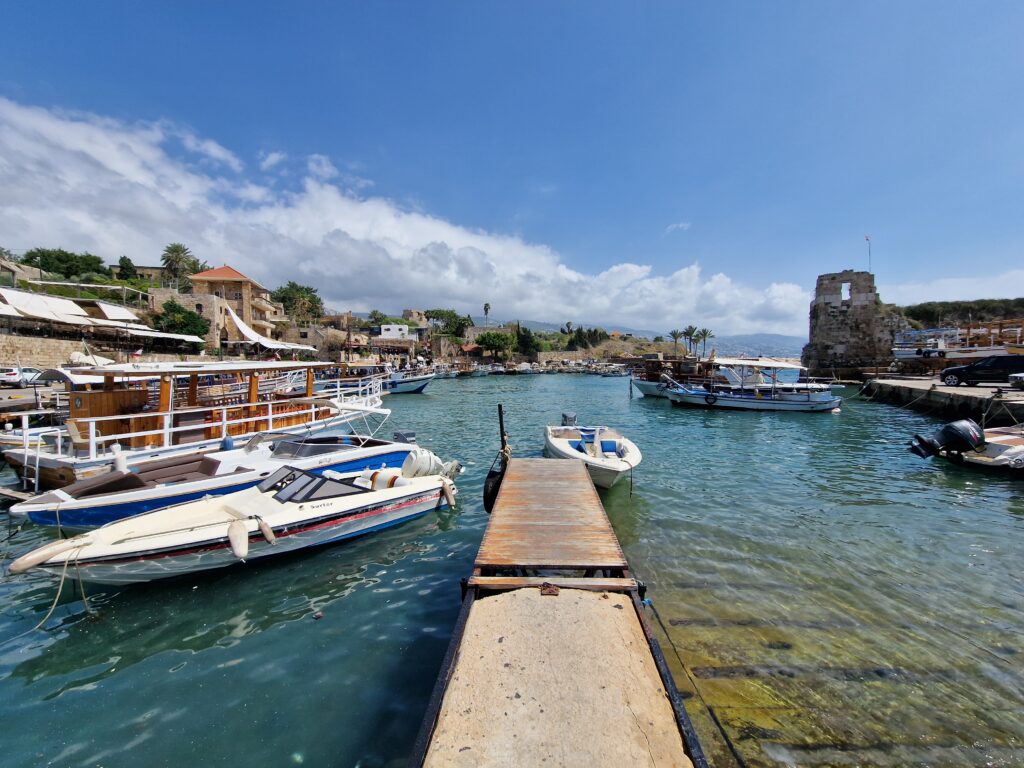
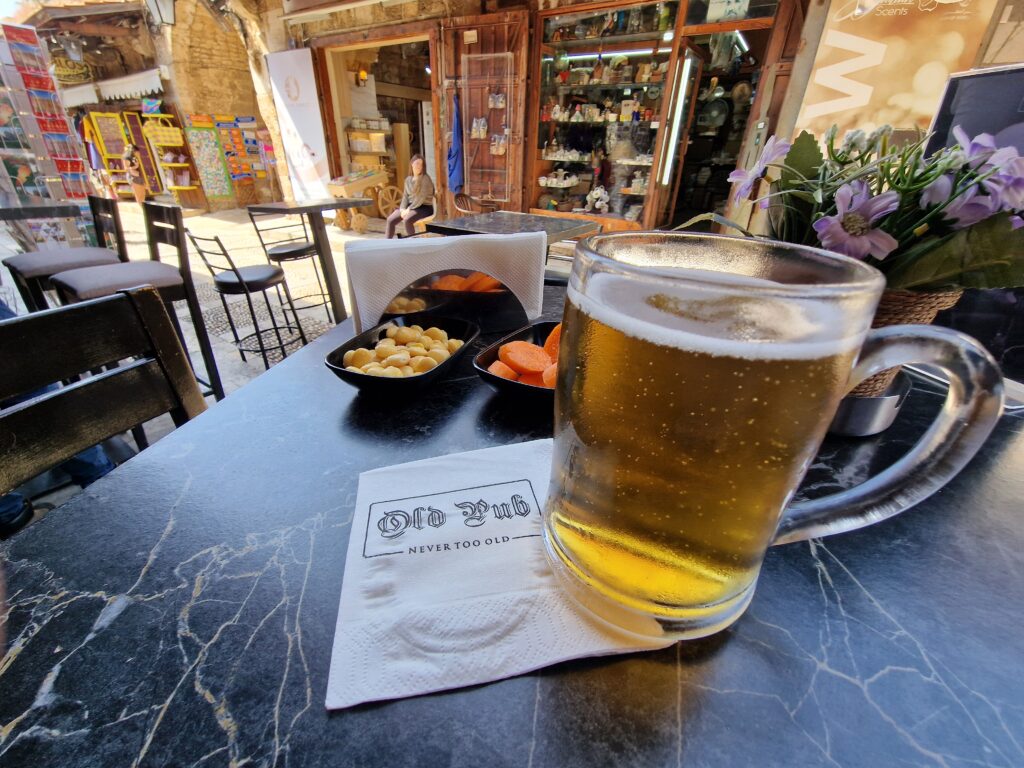
Byblos’s harbour lies just beyond the ruins. It is said to be one of the oldest in the world, once a centre for fleets that carried cedarwood to the temples of ancient Egypt. The small, curved bay still holds the same shape it had in antiquity, though its cargo has changed somewhat. Wooden fishing boats now share the water with tour launches painted in bright colours, their inebriated cargo swaying to 90s dance classics. The temptation to don a white vest, purchase a can of Stella, and climb aboard when Cascada commenced was almost irresistible. Instead, I headed to the Old Souk to find an air-conditioned bar before catching a bus back to the capital.
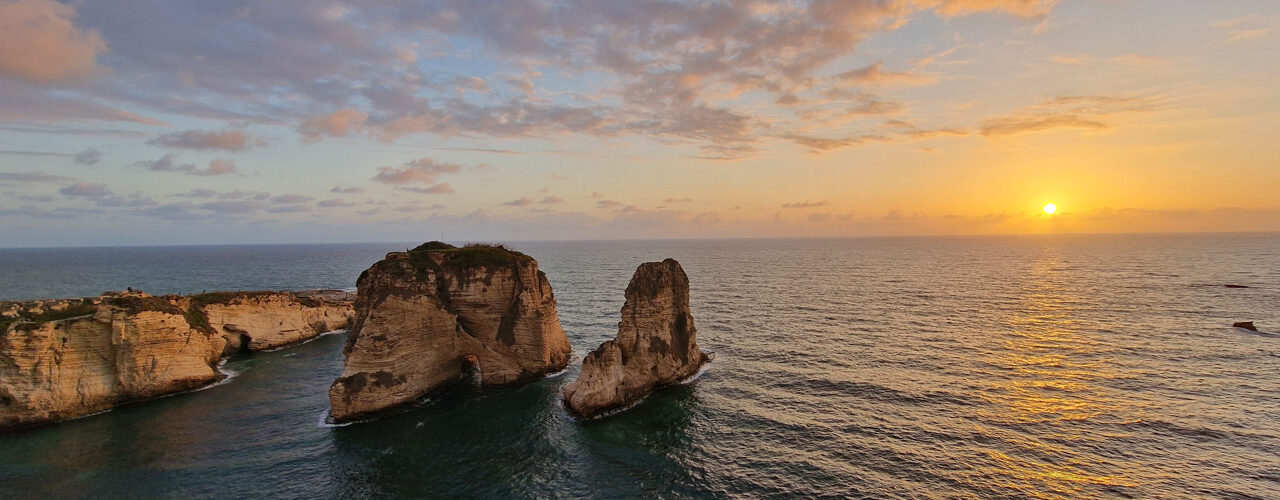
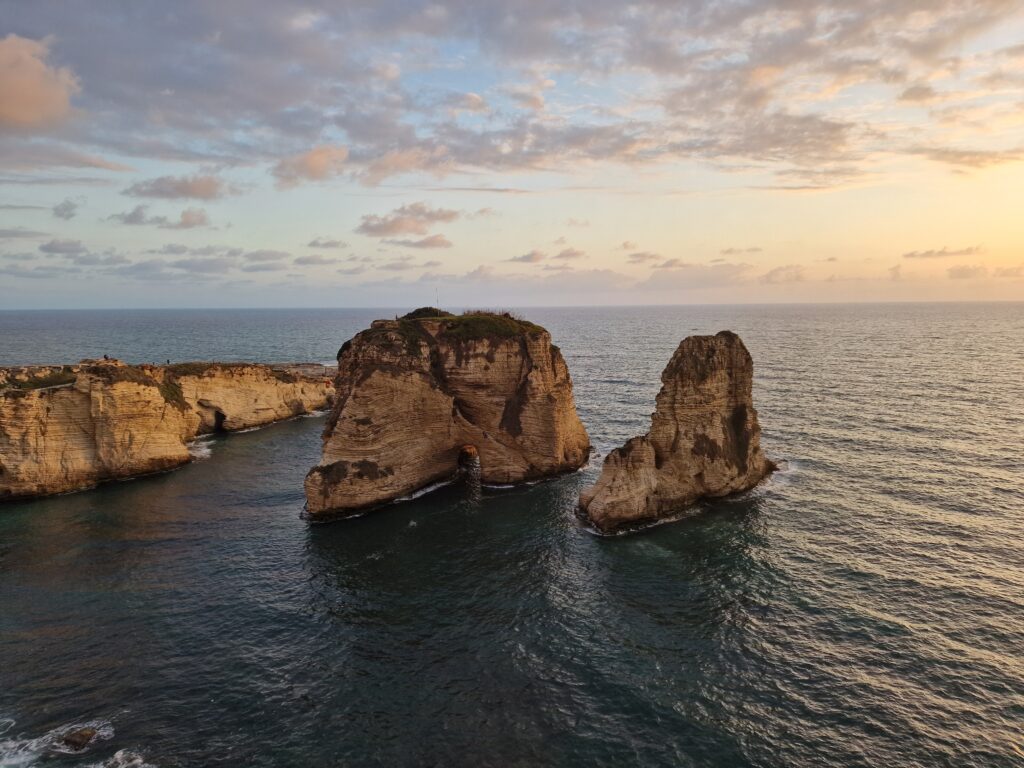
Pigeon Rocks – or the Raouché Rocks, if you want to be more formal – rises out of the sea like two giant sentinels at Beirut’s western edge. Watching the sun drop between them while the sea turned from deep blue to molten gold was something pretty darn special. I found a restaurant with a front-row seat and tucked into my final Lebanese meal, a traditional mezze with all the classics: baba ganoush, falafel, fattoush, and seventeen types of hummus. It was a fittingly serene end to a trip that had begun with a level of chaos usually reserved for a Reform council meeting.
After a shaky first five minutes, Lebanon had thoroughly won me over. From Beirut’s urban bustle to Batroun’s sleepy charm, and Byblos’s grand parade of history, it’s a country full of character and colour, especially purple, although I was leaving with the feeling that I’d barely scratched the surface. With inland mountains, rolling countryside, and fertile forests beyond her coastal communities, I’d need to return for part two, that’s if I made it through a five-and-a-half-hour flight on Middle East Airlines first (it wasn’t as bad as a certain budget Irish carrier). Next stop, another Mediterranean marvel…
J

Thanks Jack.
Always a fascinating read.