You Cannot be Syri-ous
Following the stability of Jordan, I found myself crossing into Syria—a place caught between the trauma of its recent past and the uncertainty of its future. Assad’s regime had finally collapsed in December, and with new visa requirements soon to include land borders (as they already did at Damascus airport), the window to visit Syria was quickly narrowing. Boarding the bus from Amman—one of the few still willing to carry foreigners—I immediately sensed the profound significance of this journey for my fellow passengers. Syrian families waved to onlookers, took photographs, and openly wept with relief and joy. After long, painful years of exile, they were returning home, many for the first time since the civil war began in 2011.
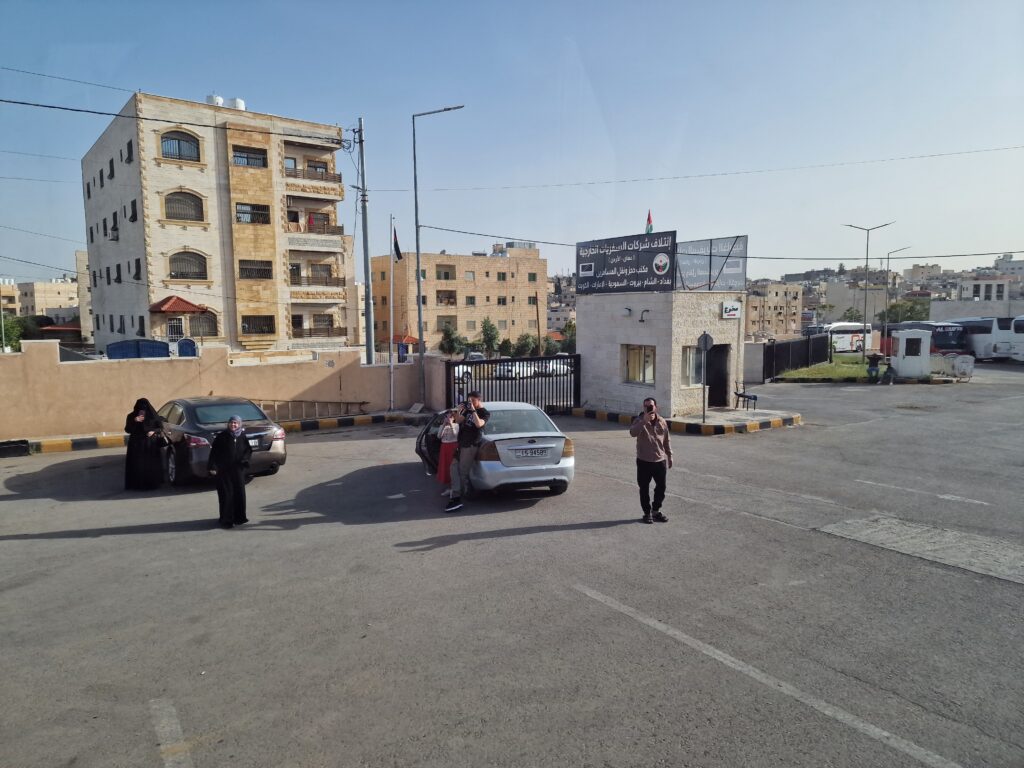
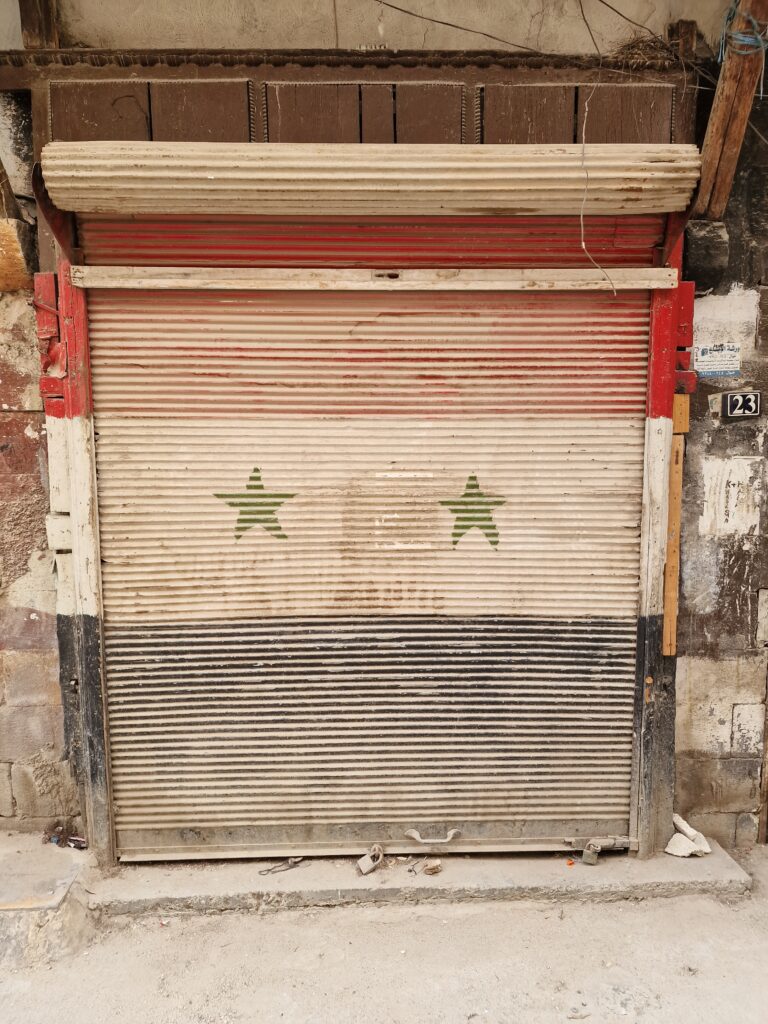
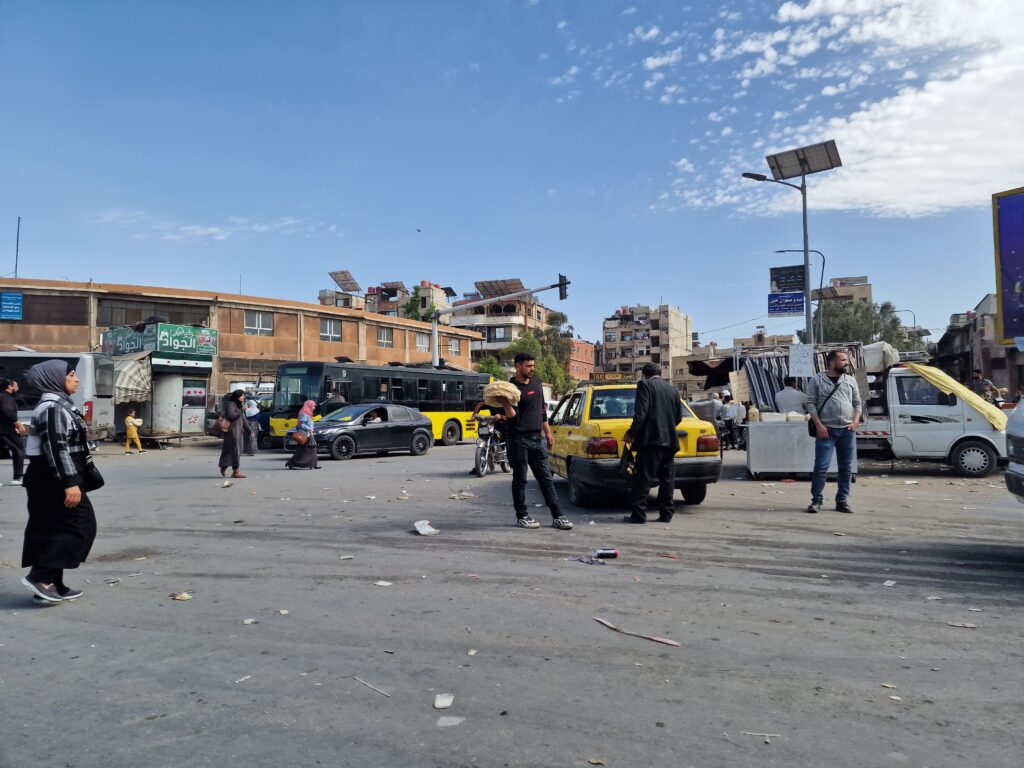
Poignancy quickly gave way to frustration as the Jordanian border authorities took several painstaking hours processing passports as lethargically as possible. By stark contrast, the Syrian border was astonishingly efficient. Modern computers, friendly officials, and a firm stamp later, I was officially inside Syria. Aside from the quietly watchful military presence—a smattering of soldiers casually cradling AK-47s—the remaining journey to Damascus passed without incident. Upon arrival, I was greeted by Khaldoun, my local guide, whose immediate warmth and candidness reassured me: “We are so happy to have tourists return to my country, you are safe here!” While eager to showcase his city’s beauty and resilience, he gently insisted we first visit somewhere that would provide a deeper understanding of Syria over the last few years: the devastated neighbourhood of Yarmouk Camp.
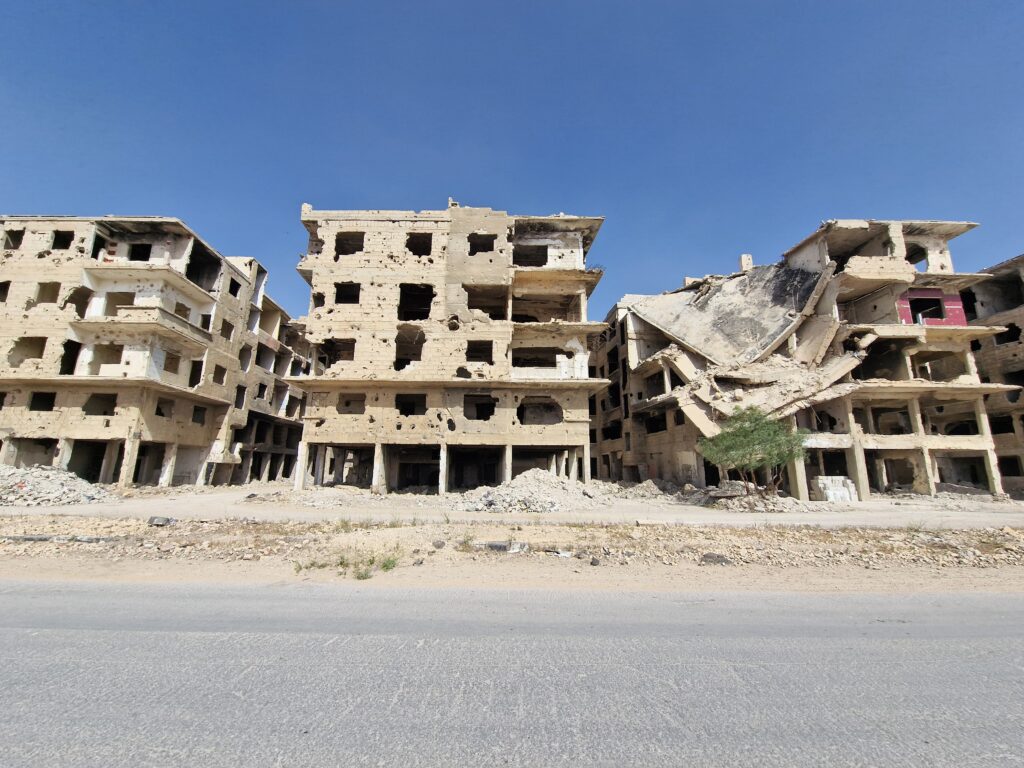
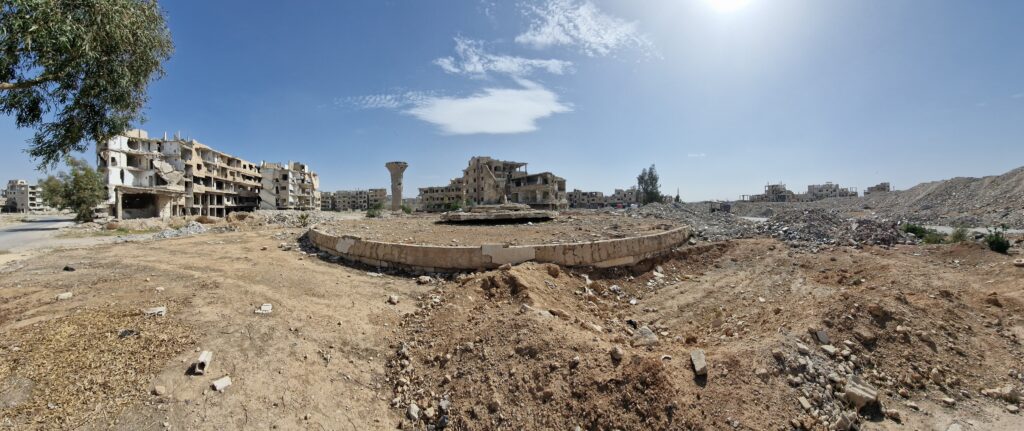
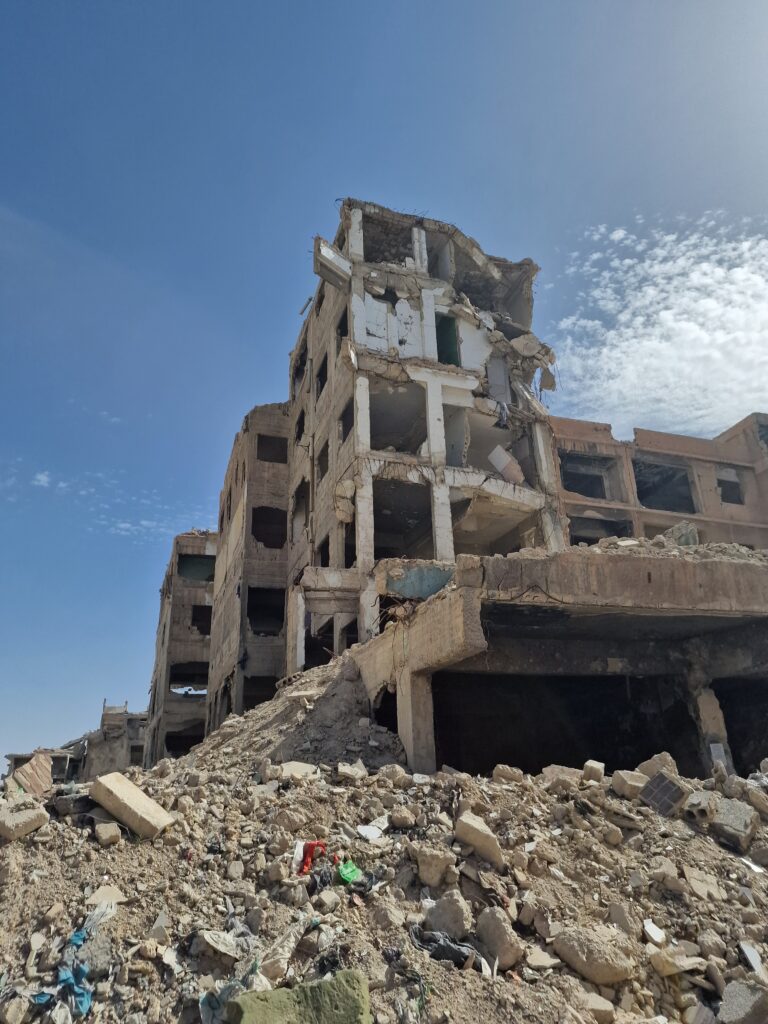
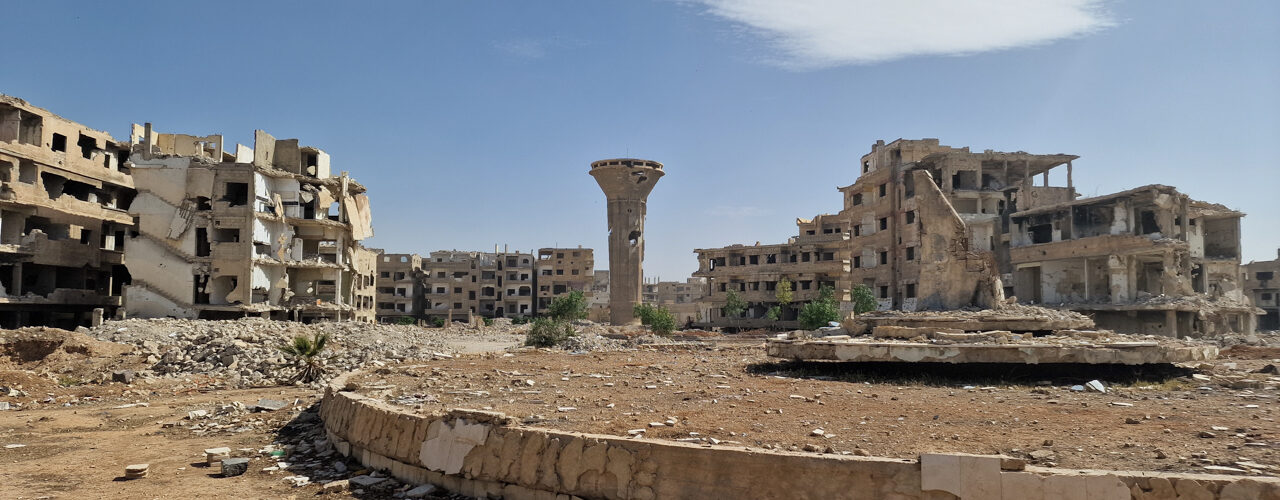
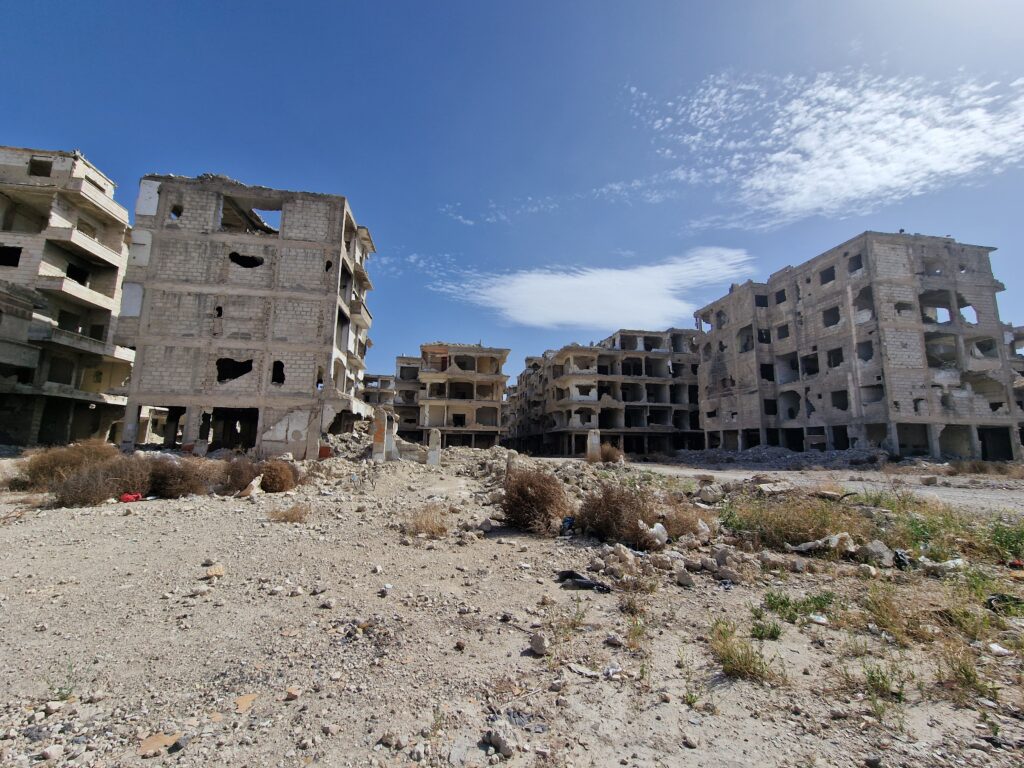
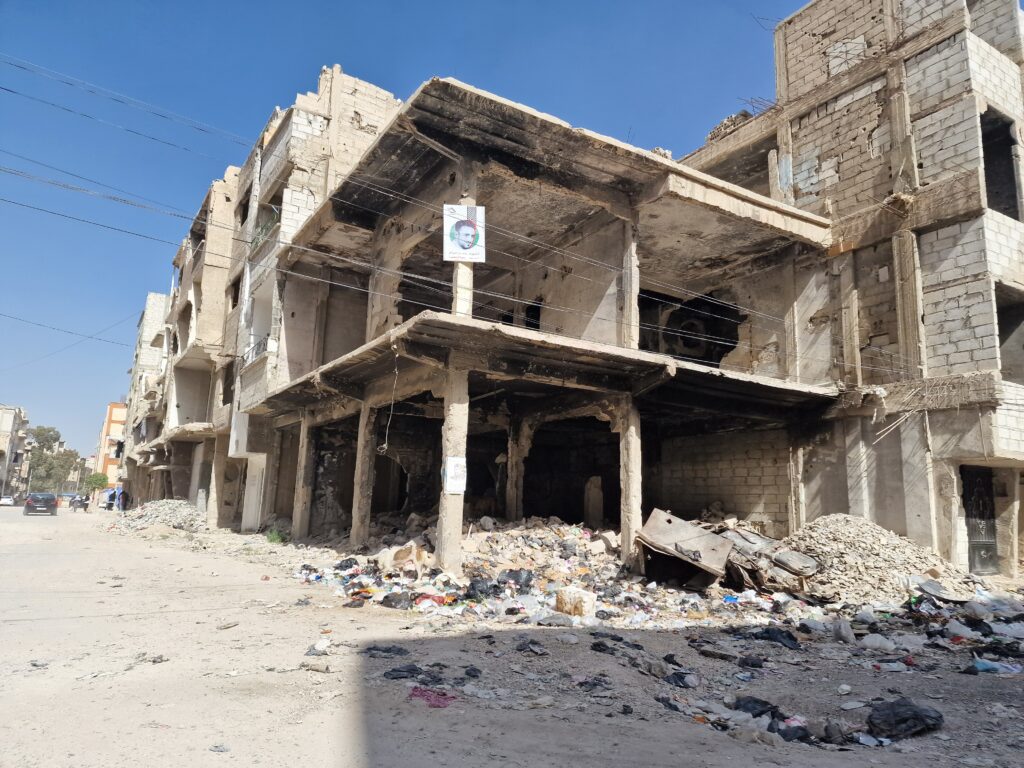
Once a bustling suburb home to over one hundred and fifty thousand Palestinian refugees, Yarmouk was at the epicentre of the pitiless carpet bombing perpetrated by Russian and Assad’s forces during the war. The sight was devastating beyond comprehension—block after block reduced entirely to skeletal remains, shattered concrete, and hollow facades. The scale of destruction inflicted by the relentless bombardments was overwhelming and deeply sobering. Khaldoun explained that he lived just across the main road from Yarmouk and, almost every evening, his walls would shake with such ferocity that he preferred to sleep in his car. Though faint glimmers of returning life could be seen—a solitary shop opening amidst the rubble, a stubborn tree sprouting green leaves—the reality was stark. Any sign of life here was tentative; realistically, this district required nothing less than complete demolition and starting again.
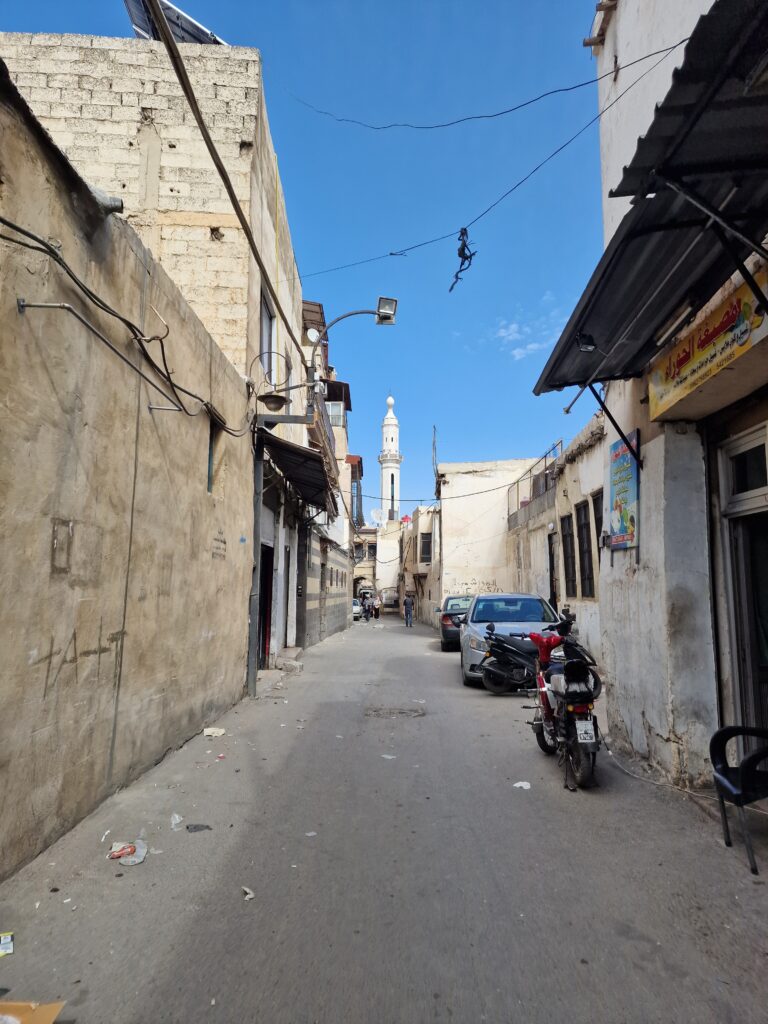
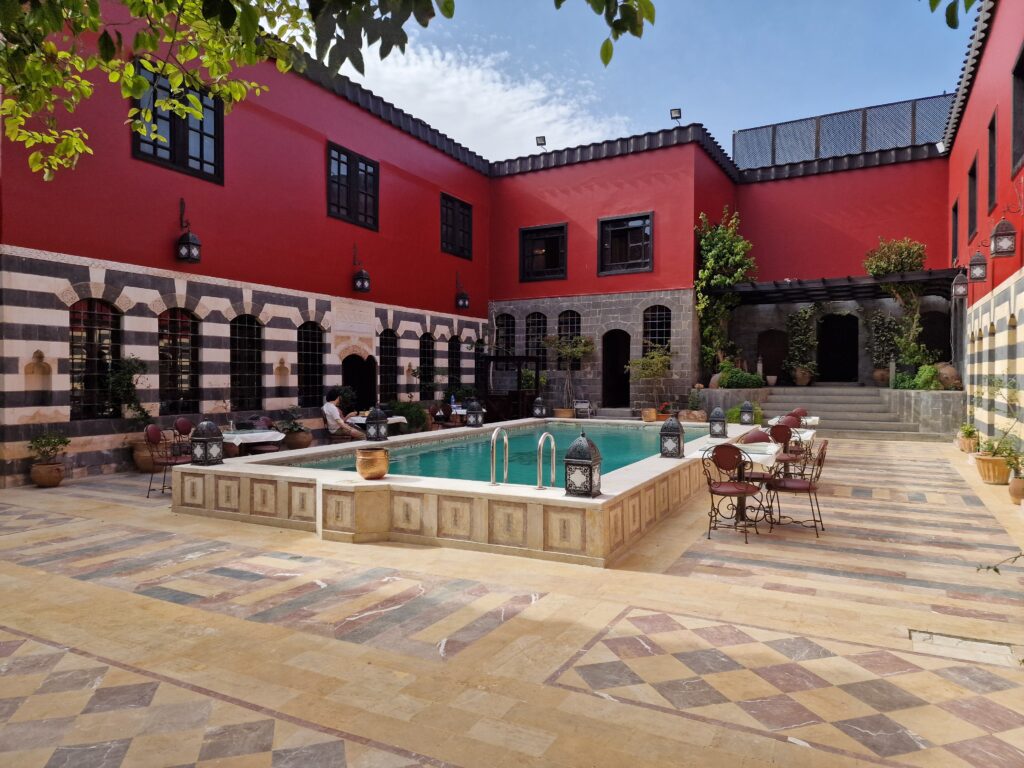
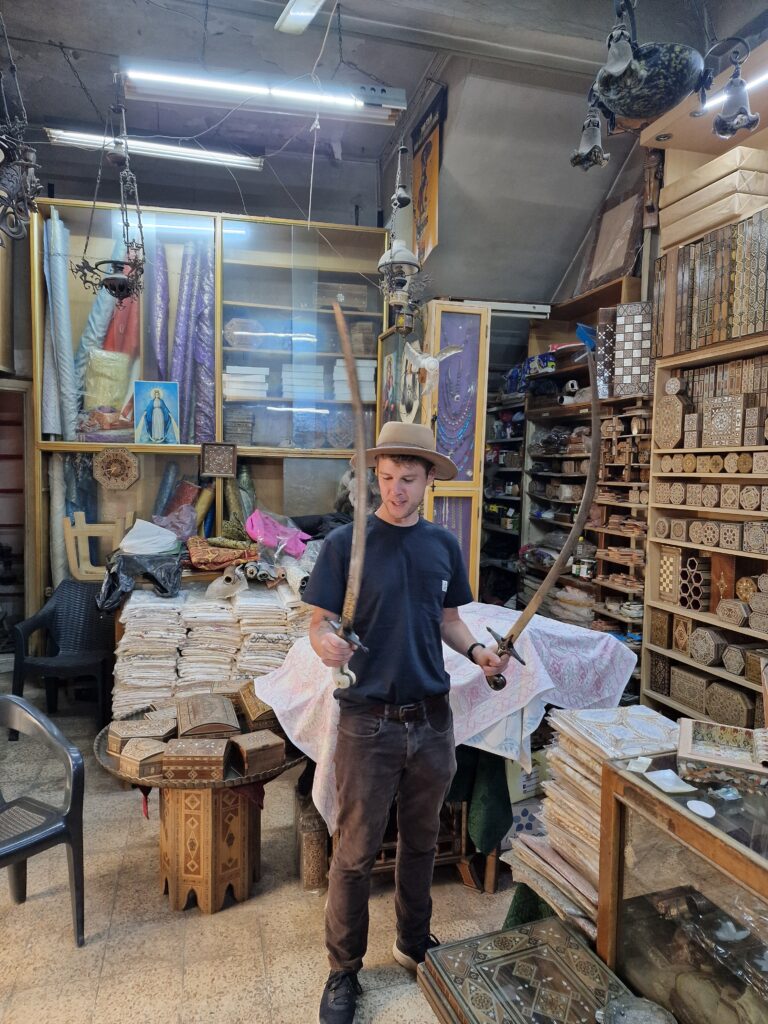
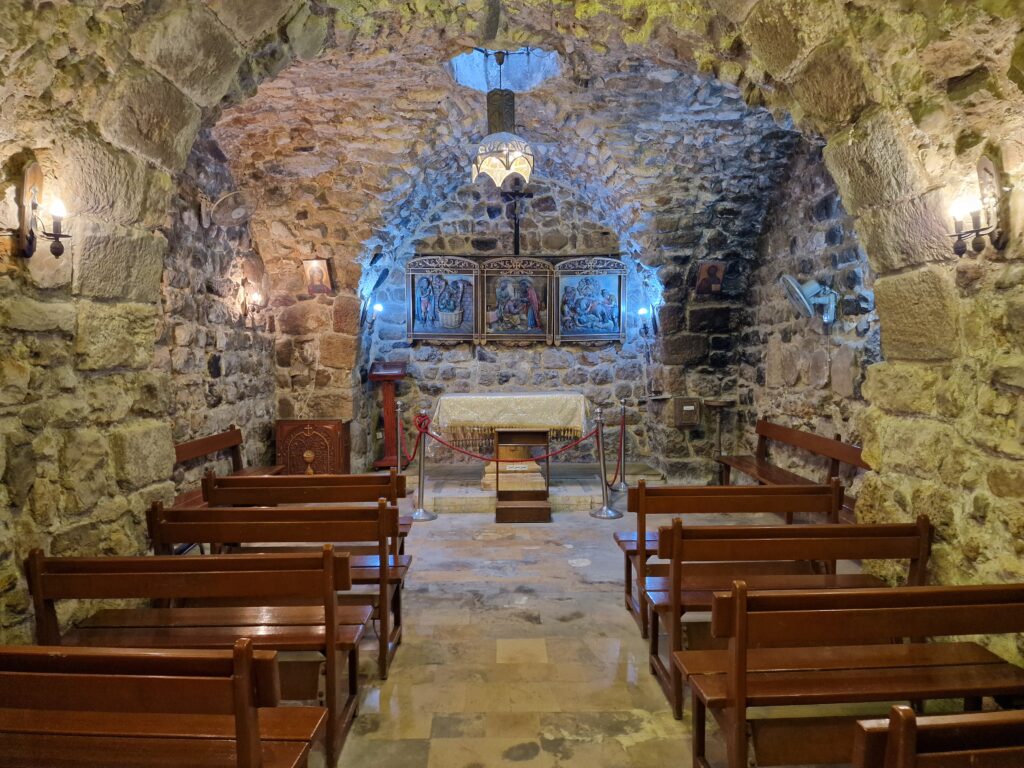
Leaving behind Yarmouk, Khaldoun navigated us expertly through Damascus’s busy streets towards the Old City, a vibrant contrast filled with aromas, sounds, and endless motion. My hotel, tucked into this ancient district, felt like stepping into a different world altogether—a tranquil courtyard oasis, adorned with intricately carved furnishings and elegant pools. Outside, in the narrow alleyways of Old Damascus, Khaldoun introduced me to artisans selling ornate daggers and swords—masterpieces crafted by generations of skilled hands. Our walk eventually led us to Damascus’s oldest Christian church, an ancient building steeped in history and reputedly linked directly to John the Baptist himself.
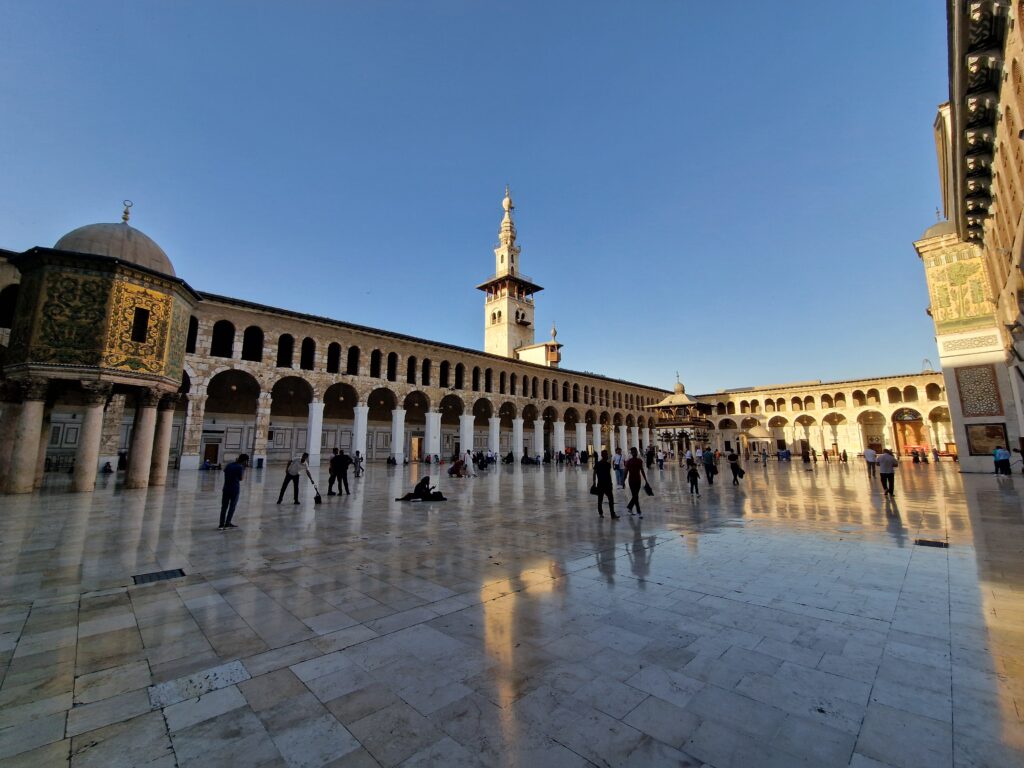
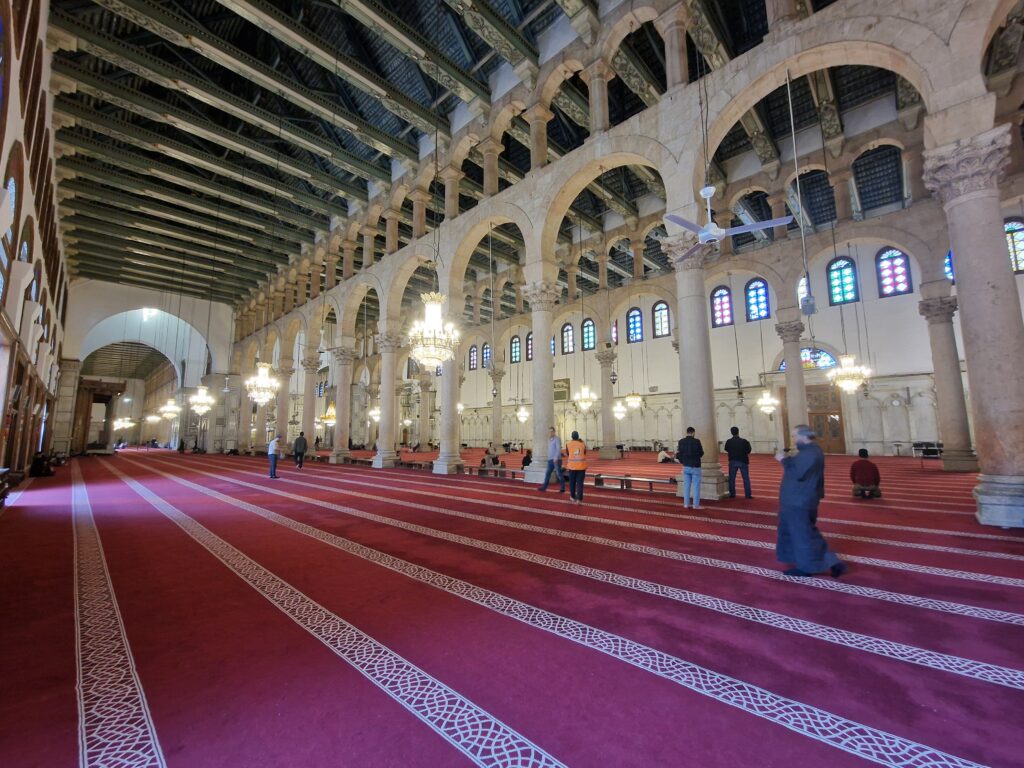
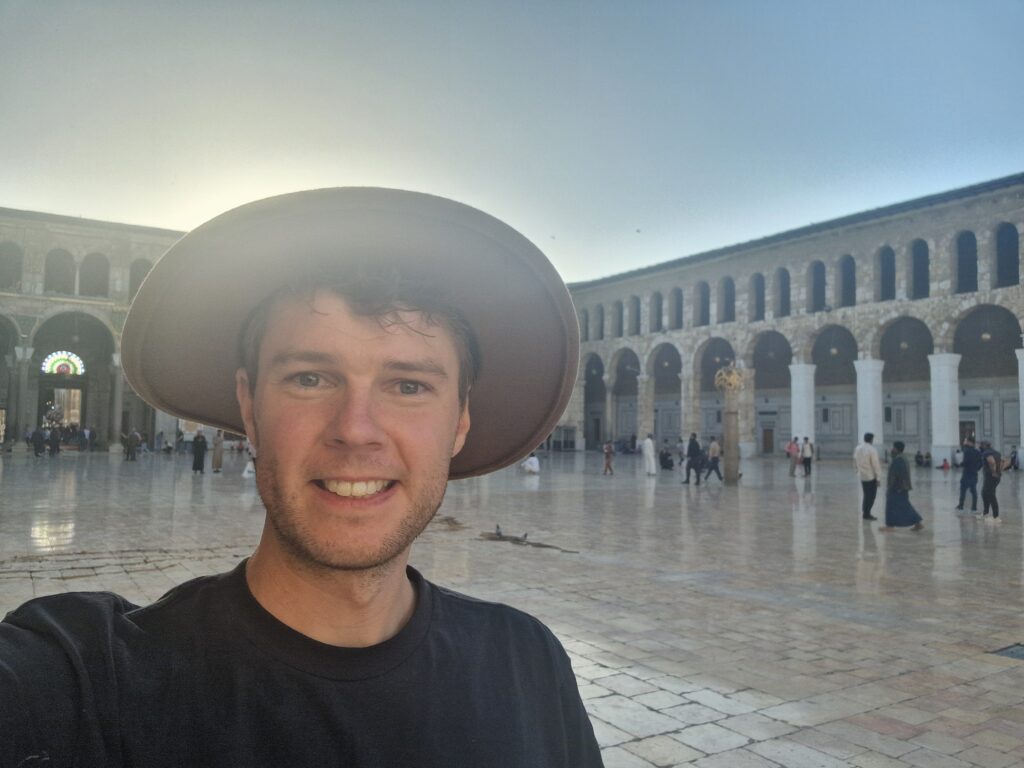
The streets themselves pulsed with a renewed sense of optimism and unexpected freedom. Assad’s once-sacrosanct image was now playfully mocked on everything from tea towels to socks—items that mere months ago would have invited severe repercussions. As daylight softened into evening, we stepped into the magnificent Umayyad Mosque, Damascus’s spiritual and architectural jewel. Its expansive courtyard, polished to perfection, caught the amber glow of sunset, illuminating the ancient marble and intricate mosaics that gracefully depicted lush gardens and historical scenes. Within the vast prayer hall, rows of plush red carpets stretched beneath high, elegant arches and glittering chandeliers, creating a quiet haven for worshippers immersed in prayer or peaceful contemplation. It was a building I had read and seen so much about and had never in my wildest dreams thought I would be setting foot inside it, even just six months ago.
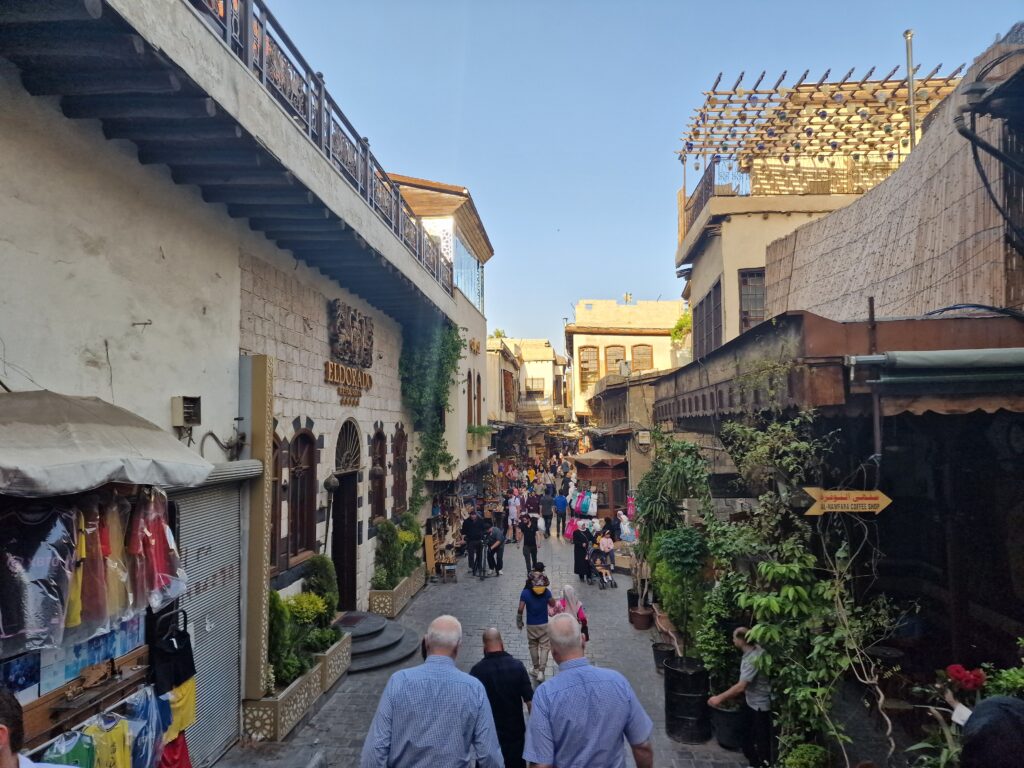

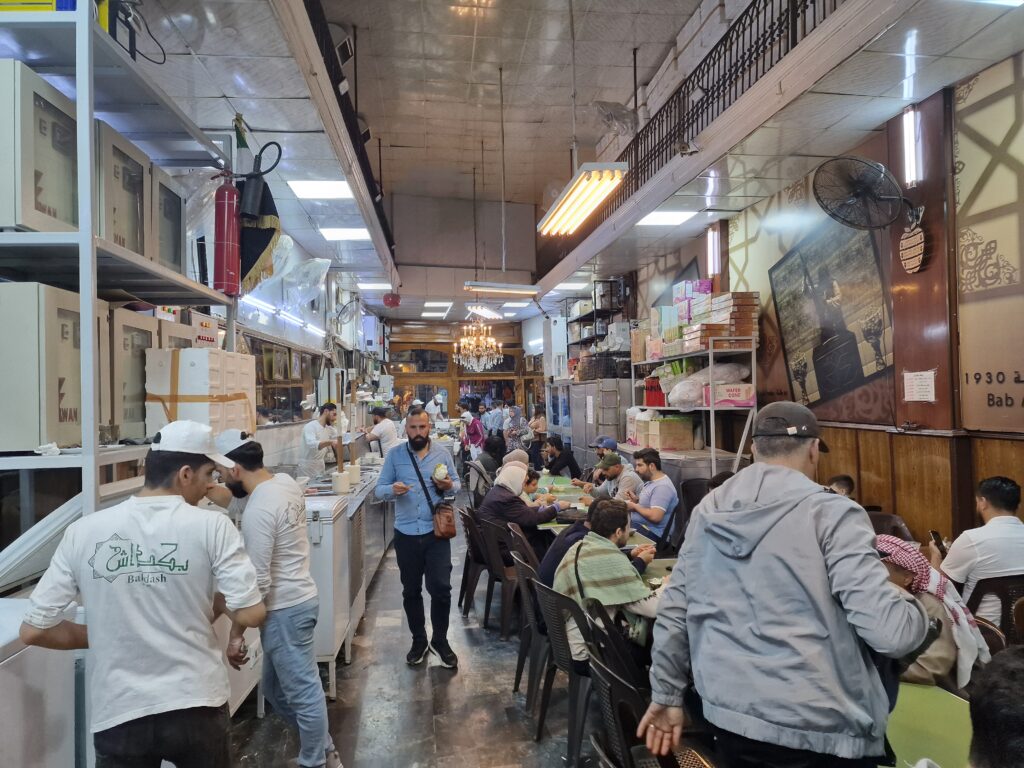
Needing sustenance, we delved deeper into Damascus’s famed souks, including the legendary Al-Hamidiyah, whose distinctive arched metal ceiling bore countless tiny bullet holes—a testament to its recent history. This bustling artery took us towards Bakdash, Syria’s iconic ice cream parlour, where vendors in white uniforms theatrically scooped stretchy, pistachio-covered ice cream for enthusiastic crowds. Outside, the night market pulsed with life beneath strings of glowing bulbs; spice stalls overflowed with fragrant mounds of cumin, cinnamon, saffron, and cardamom. Dinner was served in a beautiful, centuries-old courtyard restaurant, lush with greenery and gently illuminated by flickering lanterns. Locals filled the air with laughter and birthday celebrations, the murmur of conversation mingling with dense trails of shisha smoke. I had only been there a day, yet I felt seriously moved by the remarkable resilience of this seriously wounded city. I very much looked forward to diving even deeper into its heart the next day.
J


A really informative and enjoyable read as always
Very well done. Ta .
Thank you very much, indeed!