Lebanon the Edge
My journey from Damascus to Beirut began not with the predictable comfort of a scheduled bus or taxi, but in a dusty suburb, completely unsure as to where I was, waiting in hope for a shared car to appear. After a while, several bruised and battered vehicles materialised, and I was obliged to resurrect my long-dormant roadside haggling skills—last put to use trying to cross Mali for the price of a meal deal. Salvation came in the form of a Syrian expat from Norway, who cheerfully offered to split both the fare and whatever lay ahead. Setting off through winding mountain roads peppered with military checkpoints, the scars of recent conflict were unavoidable—burnt-out vehicles and roads more cratered than my face at fourteen—although I never felt in any real danger, that soiling would come later.
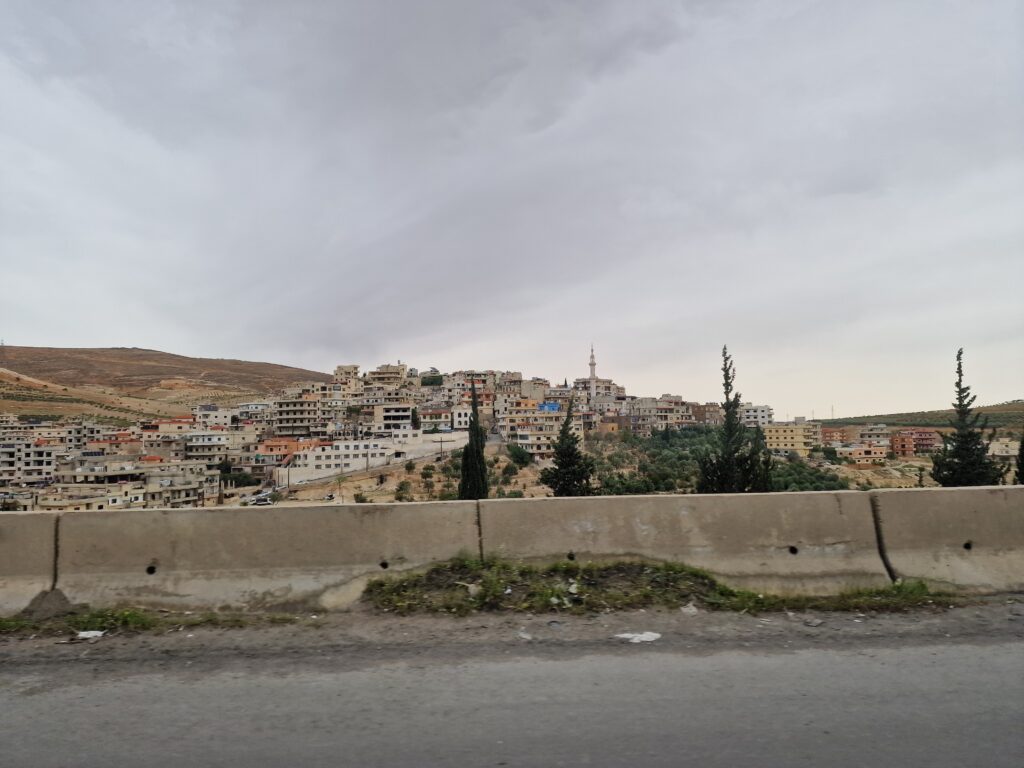
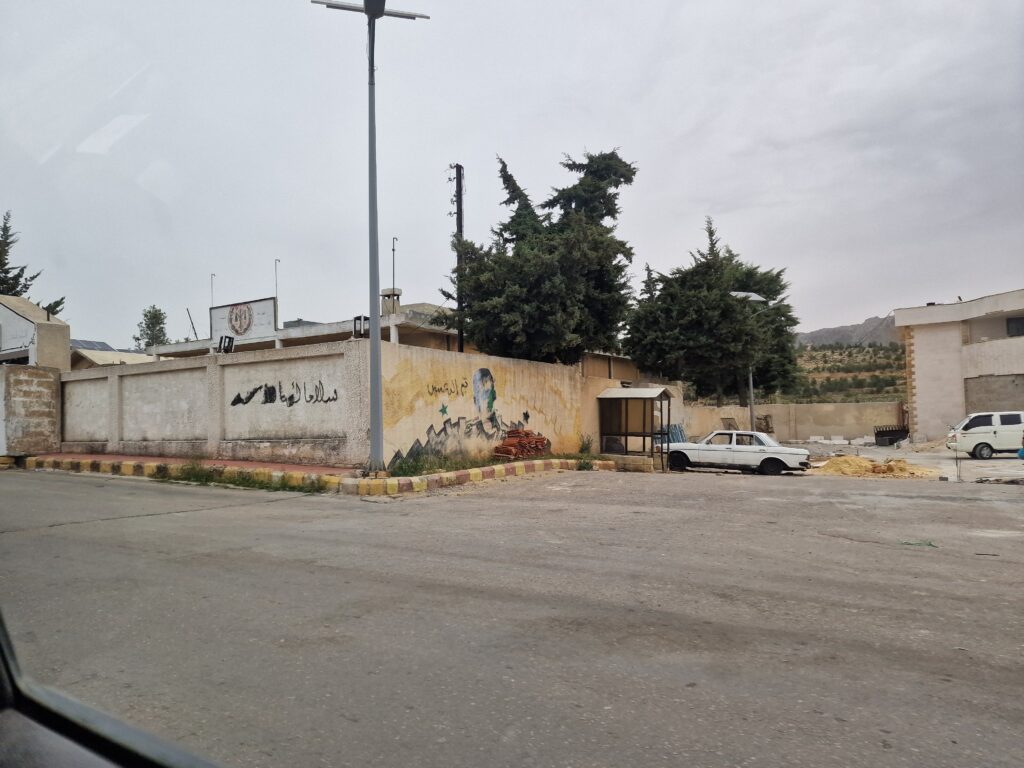
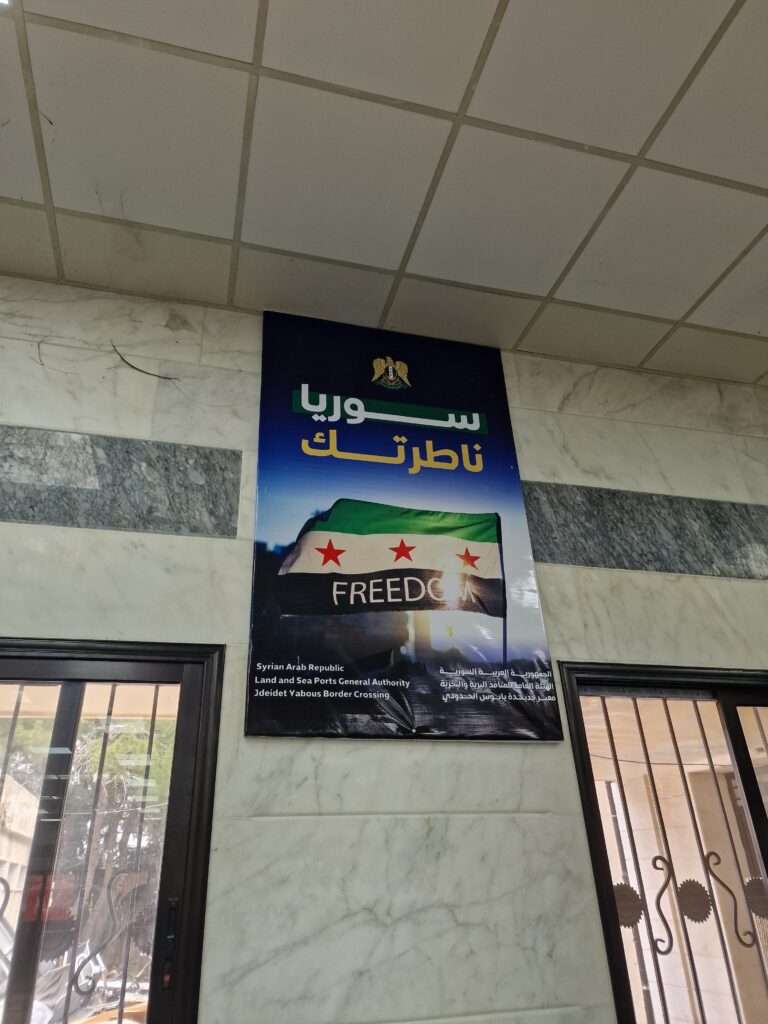
Crossing the Syrian border was unexpectedly straightforward, a pleasant surprise given my previous experiences with Middle Eastern bureaucracy. The Lebanese side, however, quickly made up for any ease I’d briefly enjoyed. Sauna-like temperatures, frantic queue jumping, and a Welshman—largely ignored by everyone else—waiting patiently at the back. A couple of hours later, I emerged dripping and triumphant, clutching my stamped passport in hand. As we made our way towards Beirut, a stark reminder of Lebanon’s fragile reality appeared: smoke billowed from a recent missile strike site beside the highway, encircled by reporters and police. Thankfully, missile strikes were sporadic, but the scene still triggered a small amount of trepidation. My anxiety abated slightly as we finally entered Beirut’s suburbs, assuming, naively, that the drama was far behind me.
Unfortunately, my Damascus driver decided that his interest in Beirut extended no further than an arbitrary roadside, where I was promptly deposited into what became an impromptu gladiatorial contest between local cabbies, each determined to win our fares or die trying. As prices were shouted aggressively, my companion helpfully whispered that I was being outrageously overcharged. This honest remark infuriated one extraordinarily rotund and irritable driver who shoved my new acquaintance into a nearby wall before attempting to punch him in the face. His stomach, which could have comfortably hosted a family of four, made closing the distance a real test of physics. After being restrained by his colleagues and regaining what I assumed was composure, he triumphantly claimed me as his fare and escorted me to his car. I glanced back to check on the expat—shaken but seemingly intact—before climbing in, unsure if I’d just chosen the least bad option or the opening scene of a cautionary travel tale.
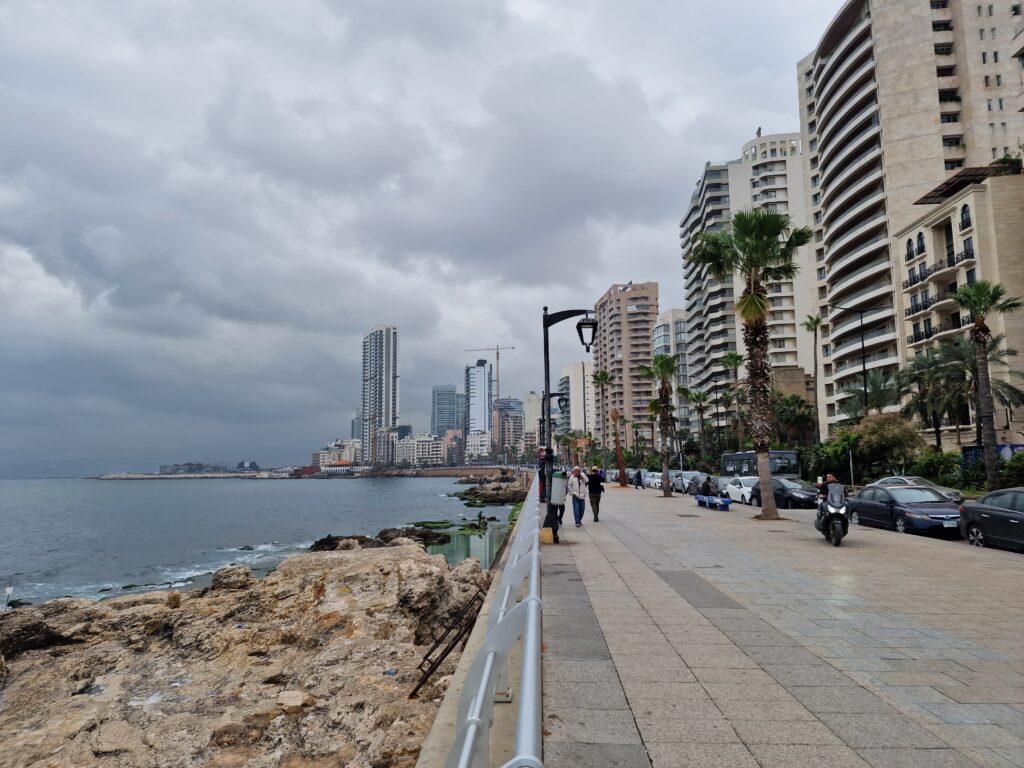
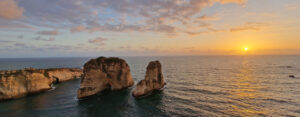
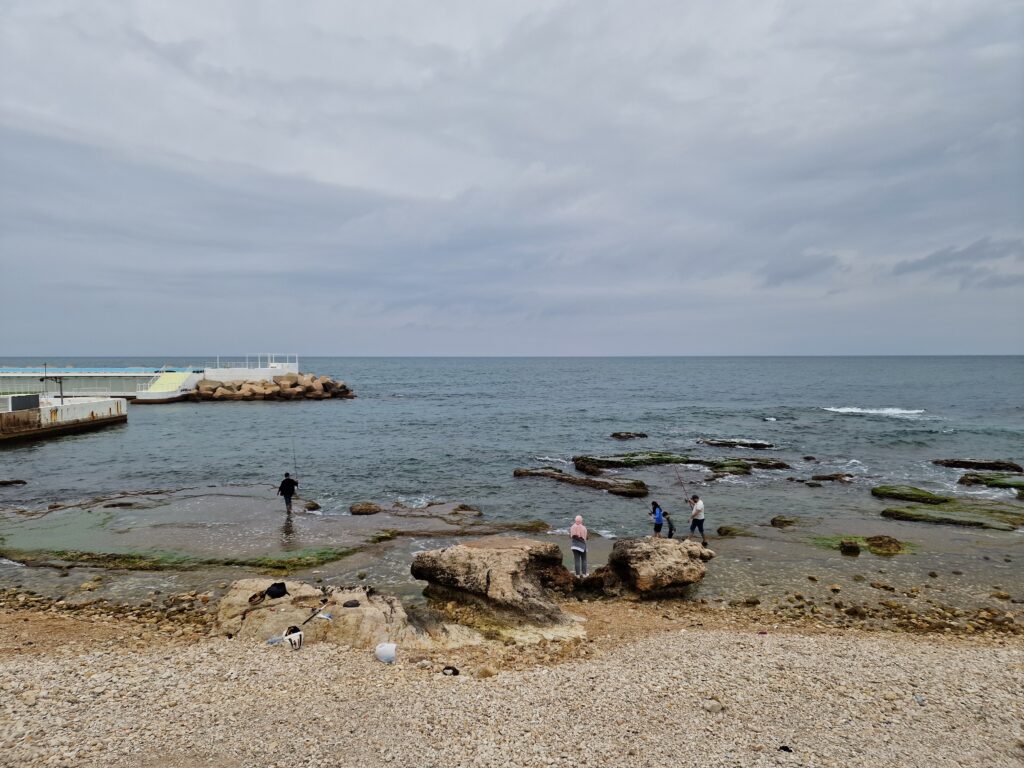
Assuming the drama was over, I settled into the passenger seat—only to watch, in utter disbelief, as my driver calmly opened his boot and produced a lead pipe, as if he were about to fix a drain rather than revisit the poor man he’d just tried to flatten. There followed another round of shouting, wild gesturing, and being forcibly held back. Eventually, he returned, apparently satisfied that justice—or at least his blood pressure—had been served, and delivered me to my hotel, which felt like stumbling into a safe house during a coup. Following a desperately needed shower, I decided to regain my composure by taking a leisurely walk along Beirut’s coastline. The contrast from the earlier chaos was remarkable. Raouché’s iconic Pigeon Rocks jutted impressively out of the Mediterranean, framed by a brooding sky, while fishermen went about their evening business just as they do on Mumbles Prom, only having consumed far less Tennent’s.
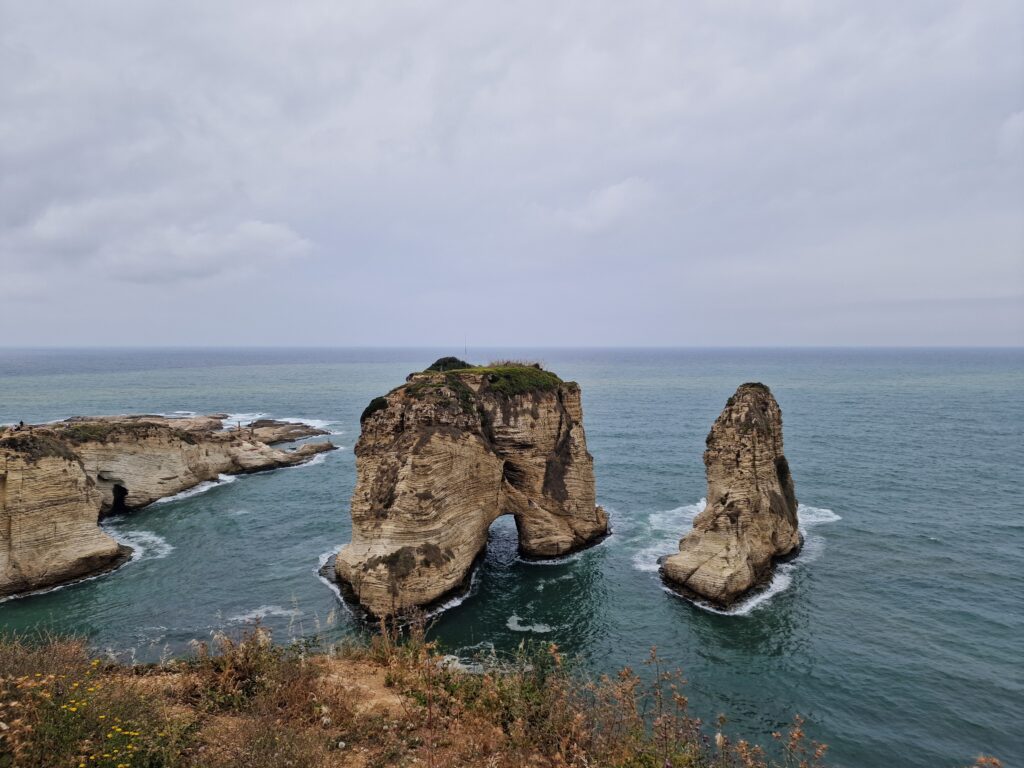
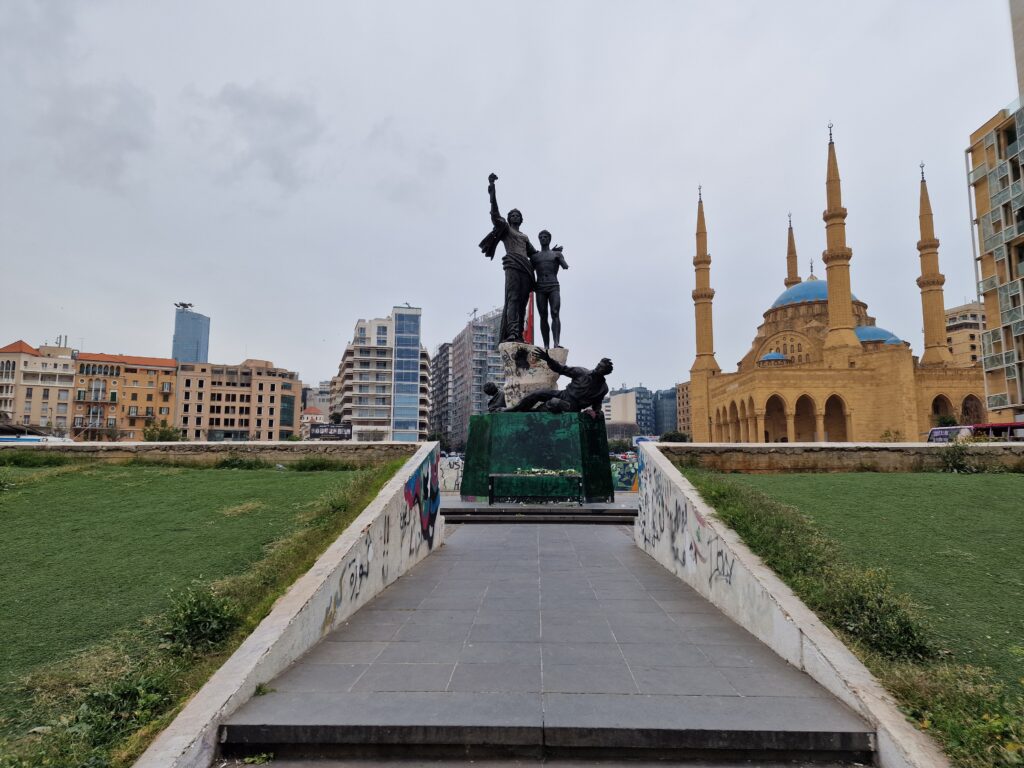
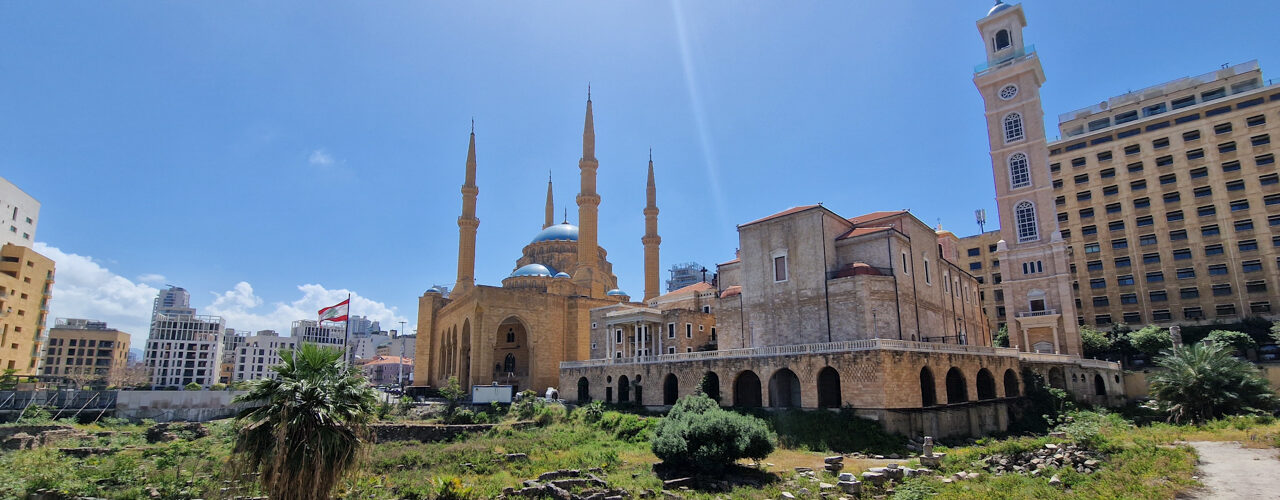
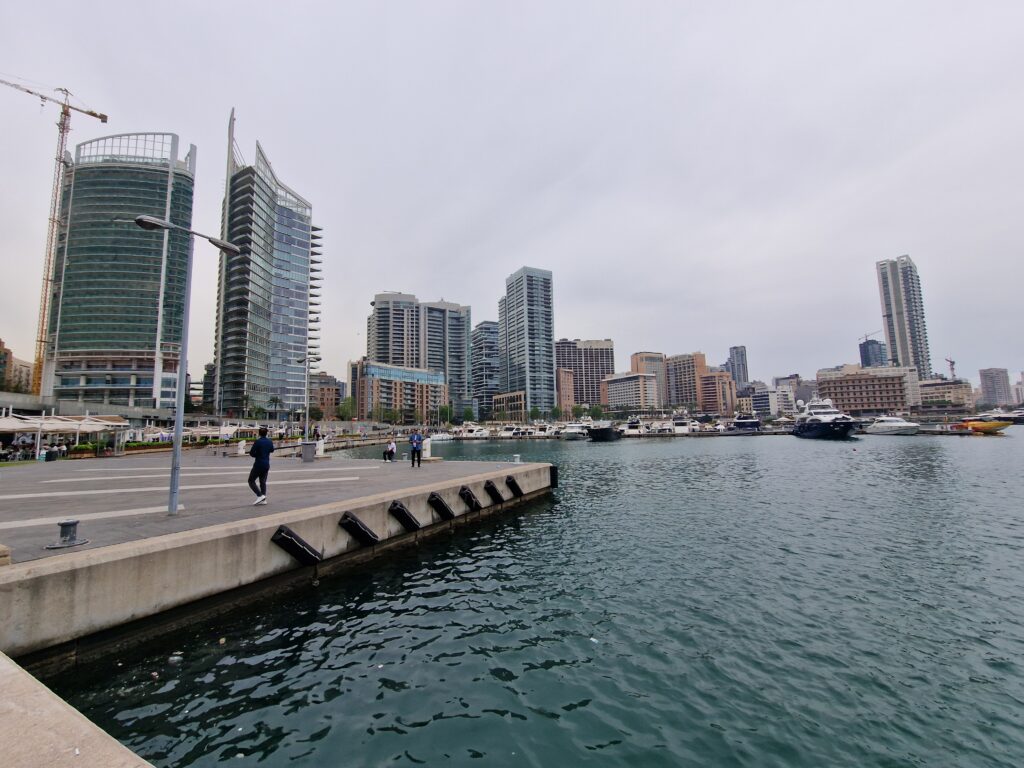
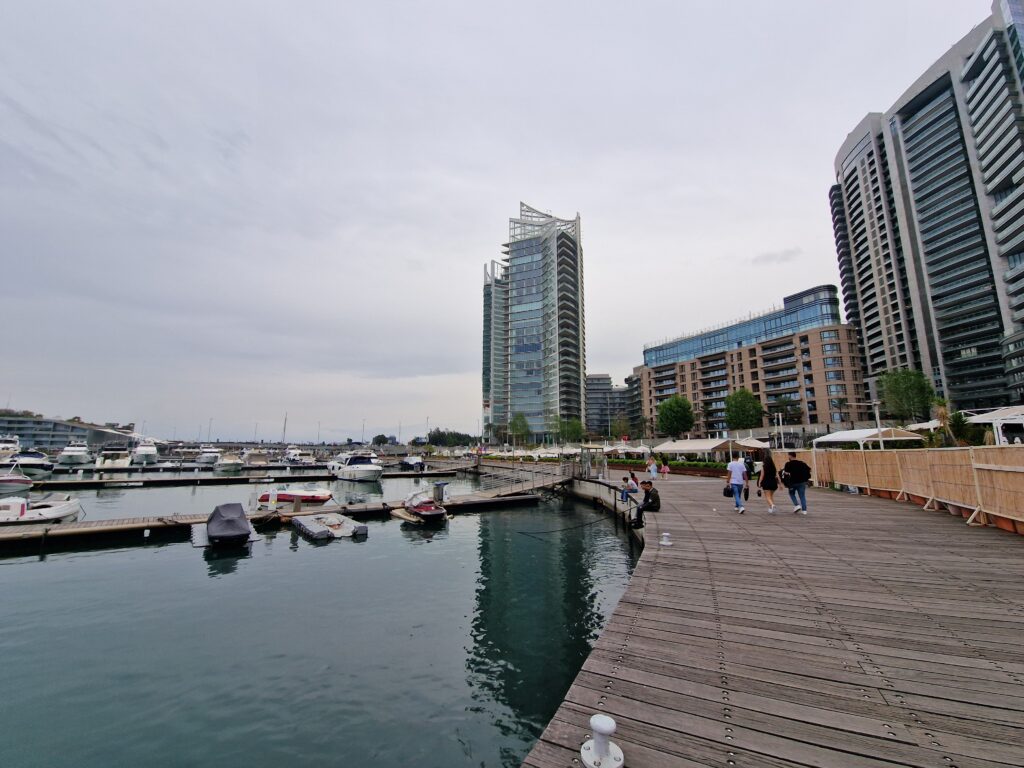
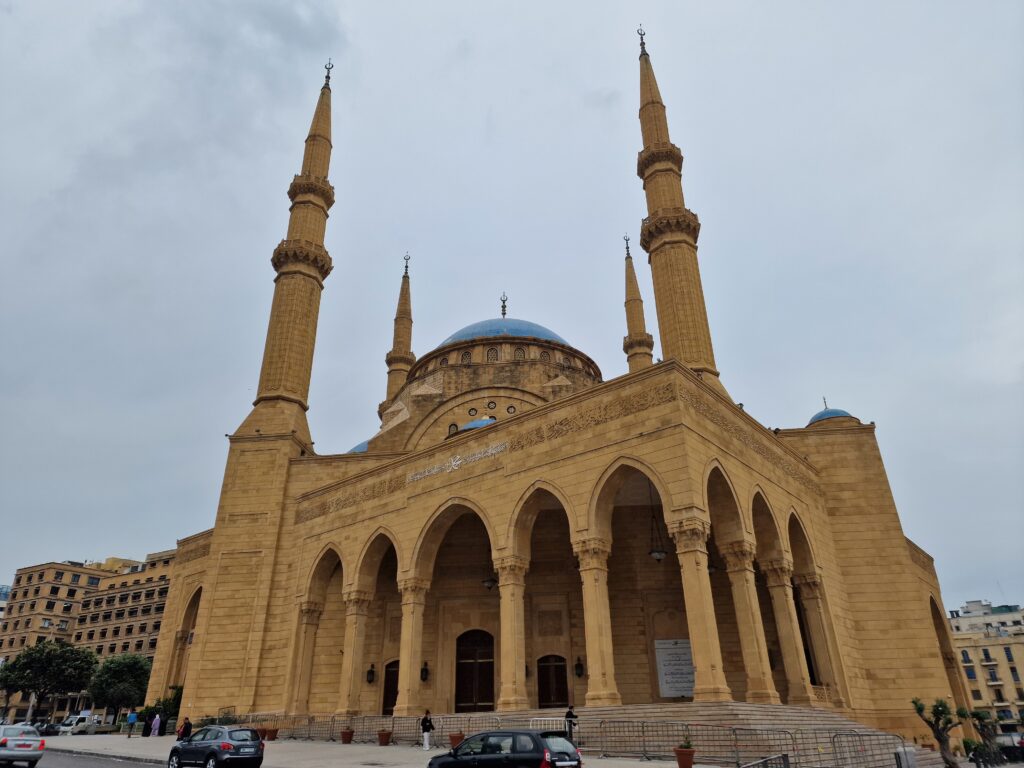
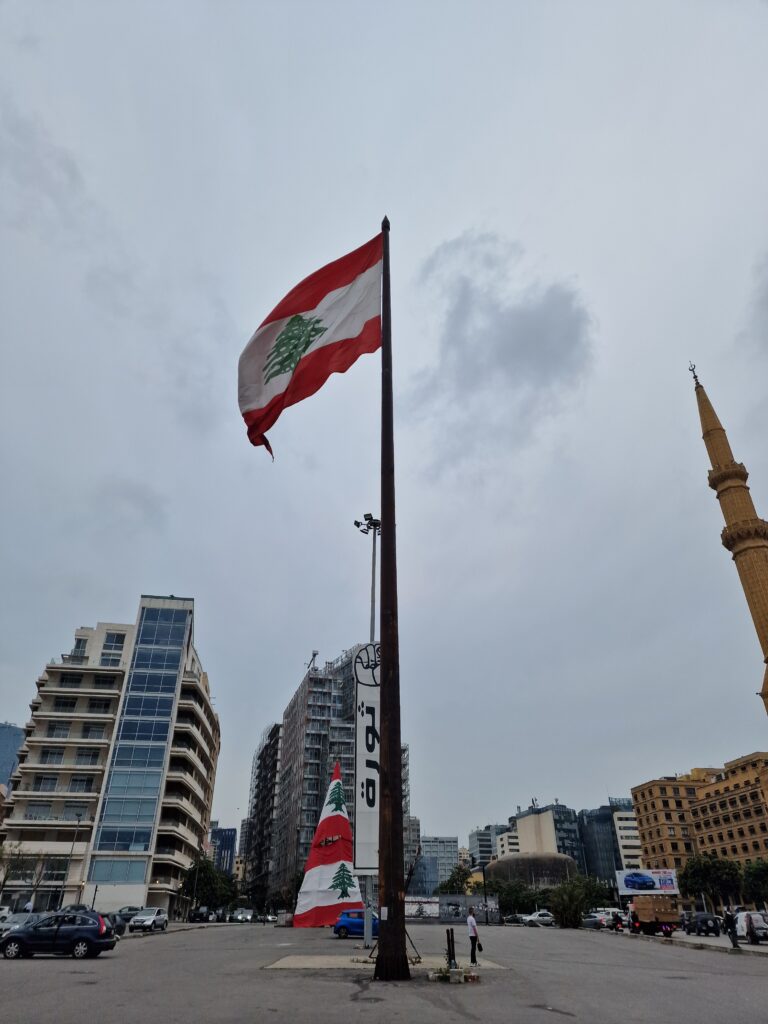
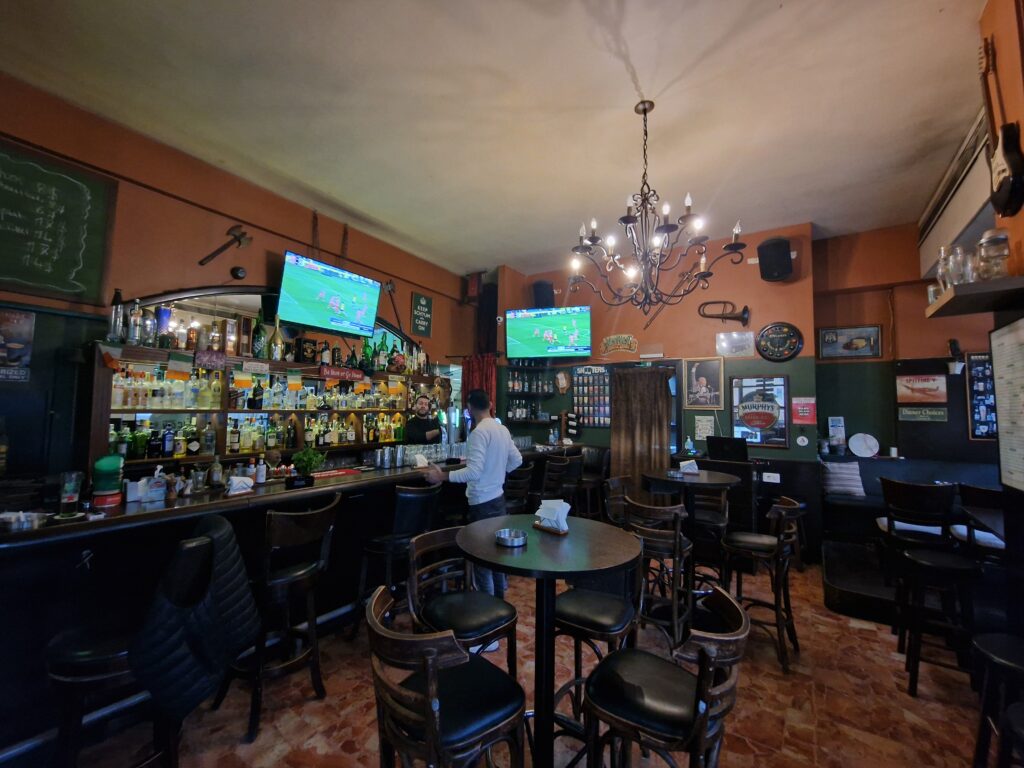
Strolling further, I discovered gleaming yachts bobbing gently at the Beirut Marina beneath high-rise luxury apartments, whilst a short walk away, Martyrs’ Square stood proudly—its famous statue riddled with bullet holes from the civil war, now surrounded by protest graffiti and symbols of resilience. Beside it, the grand Mohammad Al-Amin Mosque shone majestically, the gold façade glowing gently under the gloomy evening clouds; it was a thoroughly enjoyable place to wander around. I ended the day in a small bar, nursing a cold Beirut beer, watching football, and pondering the pleasing improbability of having gone from lead pipes to lagers in the space of a few hours.
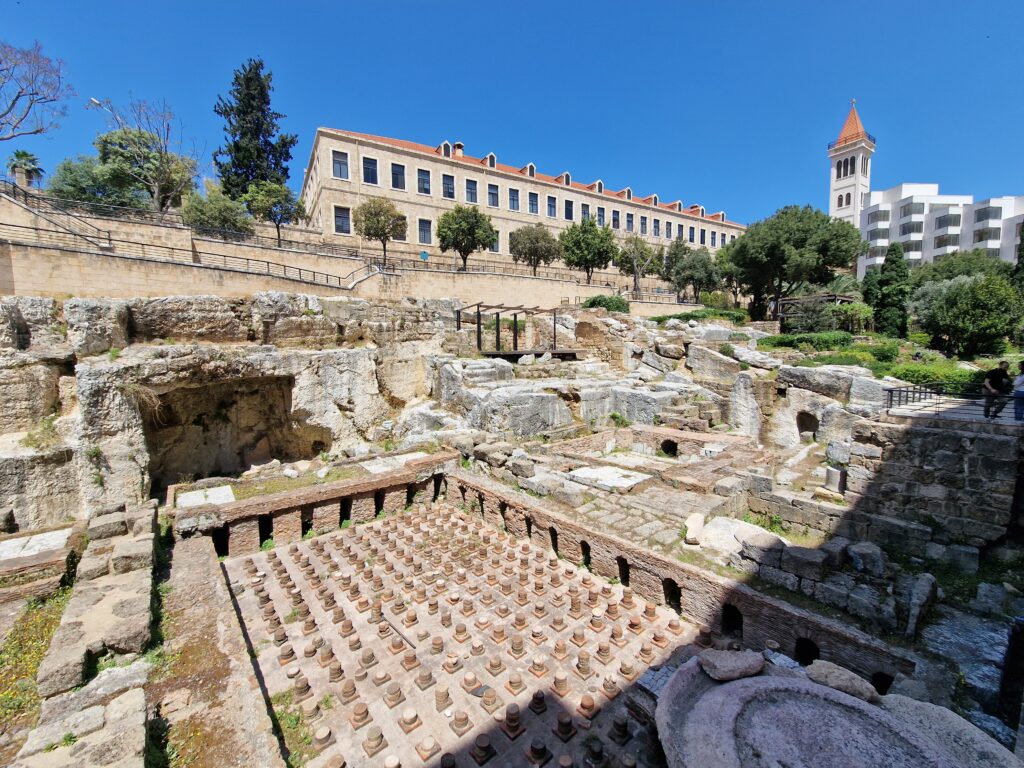
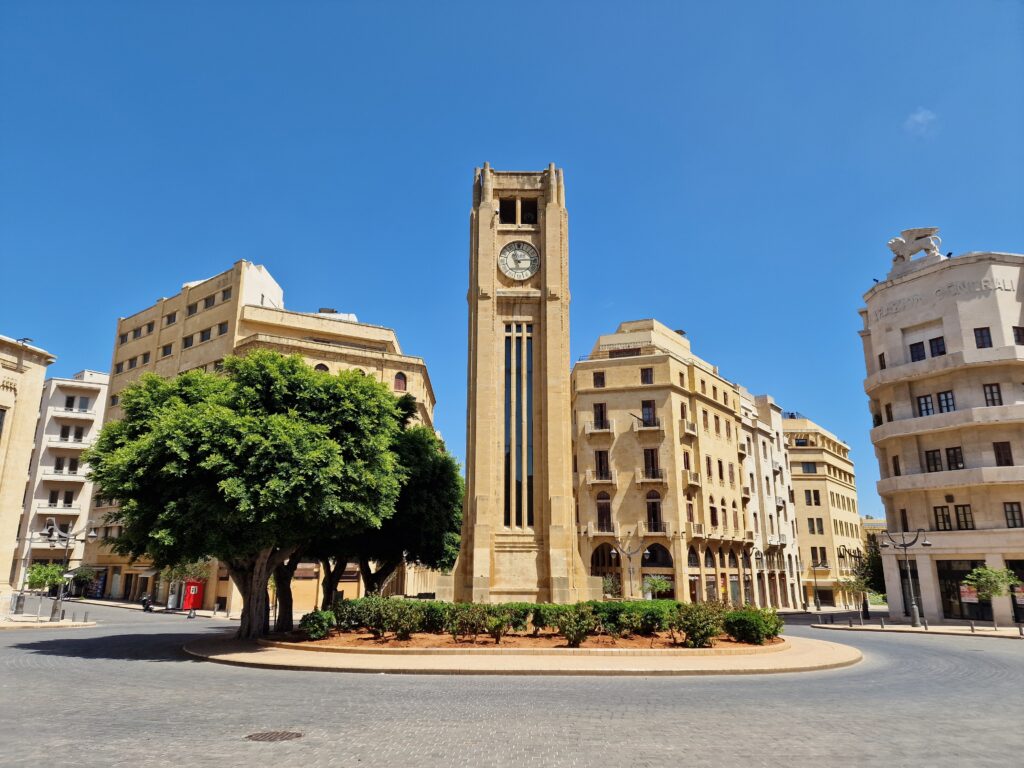
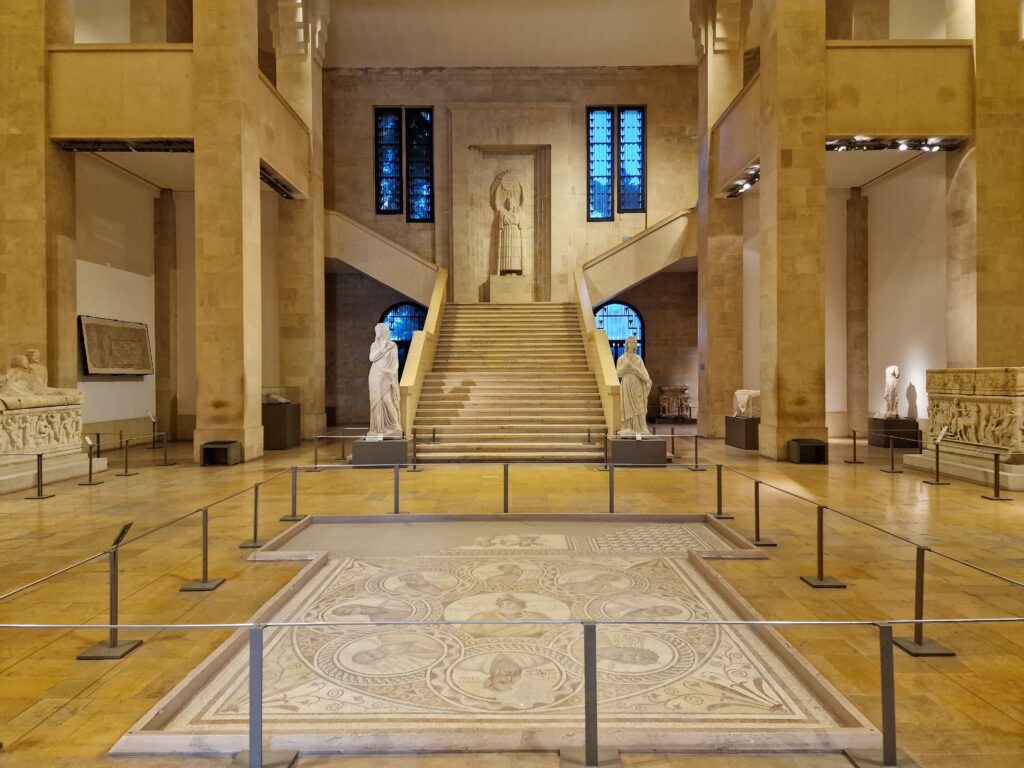
The next morning, the sun rose spectacularly, transforming Beirut entirely. Under dazzling blue skies, the city’s history came vividly to life. Roman ruins emerged from green gardens right beside modern shopping malls and luxury boutiques. Downtown Beirut, meticulously reconstructed after decades of war, gleamed with freshly scrubbed façades, its Ottoman-style clock tower keeping watch over an eerily quiet central square—the result of strict security measures rather than a sudden siesta. I spent the remainder of the afternoon in the superb National Museum, half to admire its Phoenician sarcophagi, half to worship its air conditioning. Its garden café proved the perfect spot to map out the rest of my trip, before I swapped the bustle of the capital for the rather more laid-back charms awaiting further north…
J