One Hump or Two?
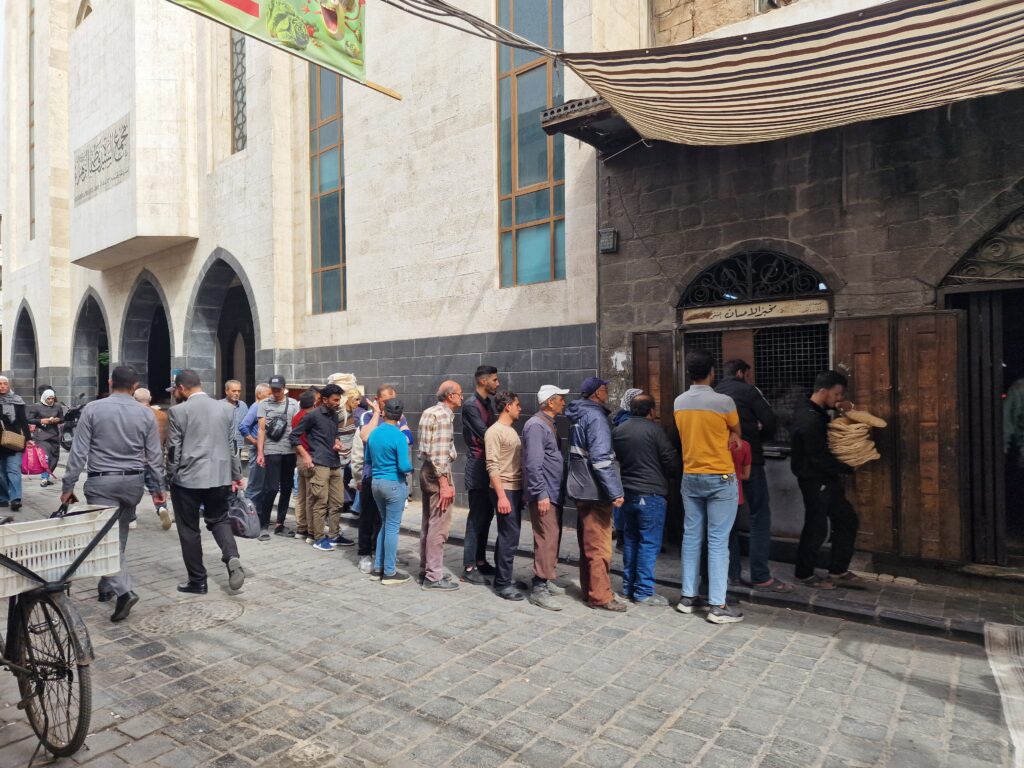
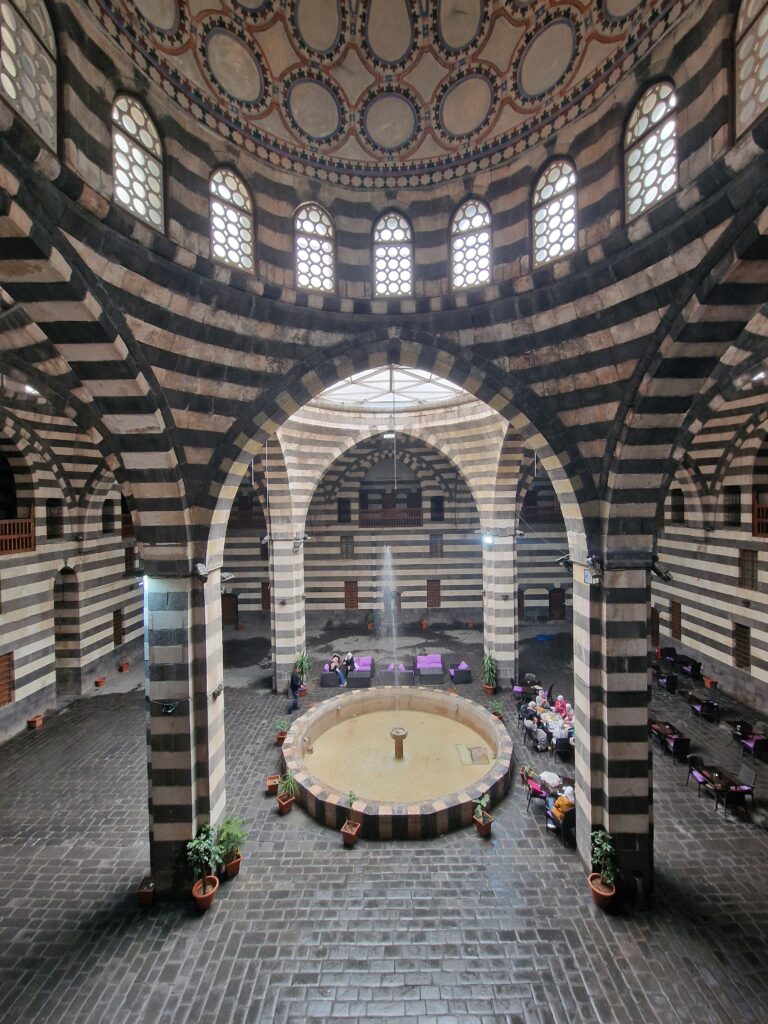
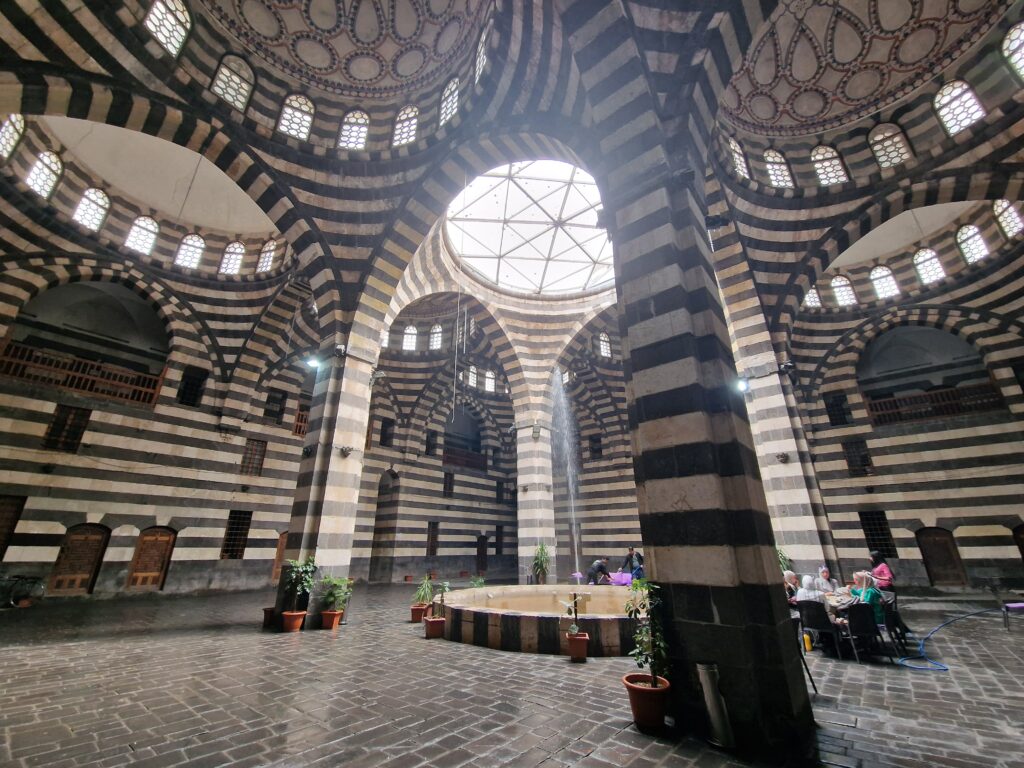
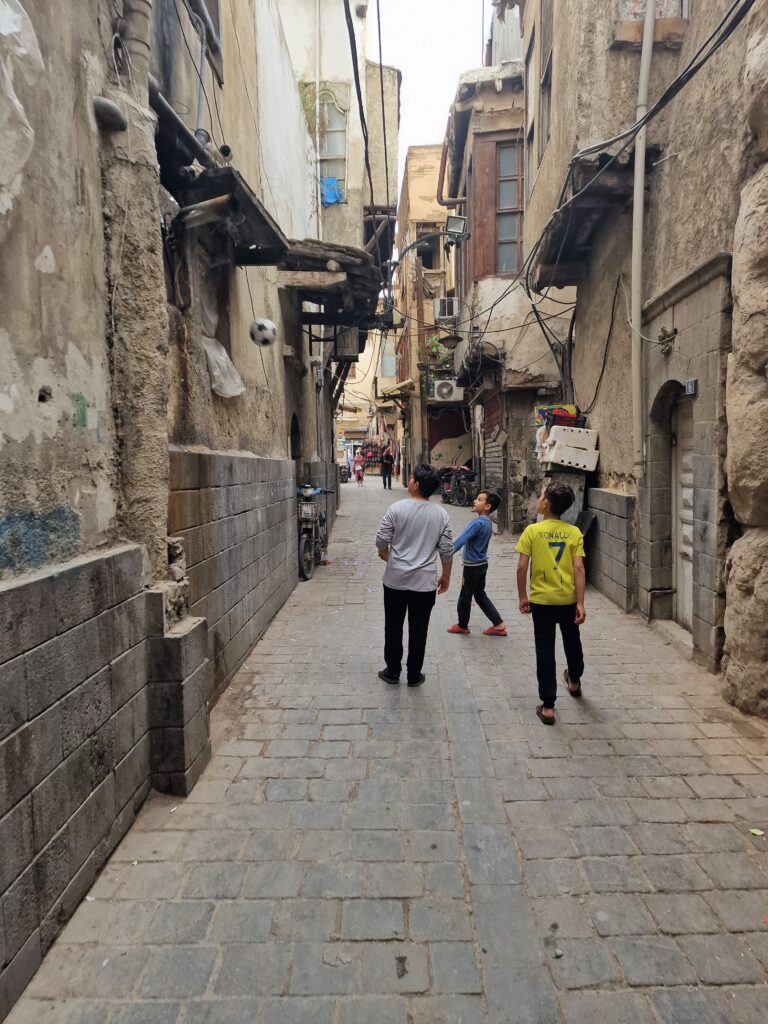
Day two in Damascus began with a sober reminder that, despite recent signs of normality, the scars of conflict still run deep. Khaldoun, my ever-insightful guide, led me out early into streets bustling with morning routines—most notably, queues of patient locals lined up to collect daily rations of fresh bread, which remains a part of everyday life from long before the Assad regime ended. Picking up some of our own for a quick breakfast, Khaldoun guided me through winding alleyways to Khan As’ad Pasha, Syria’s largest caravanserai and possibly the fanciest truck stop in Middle Eastern history. Built in 1752 under Ottoman rule, the khan was originally a bustling hub for silk merchants traversing the old Silk Road. Standing beneath its black-and-white striped arches, bathed in streams of sunlight pouring from the vast domed ceiling, it was easy to imagine traders haggling over carpets or spices or camels casually spitting at children in the corner.
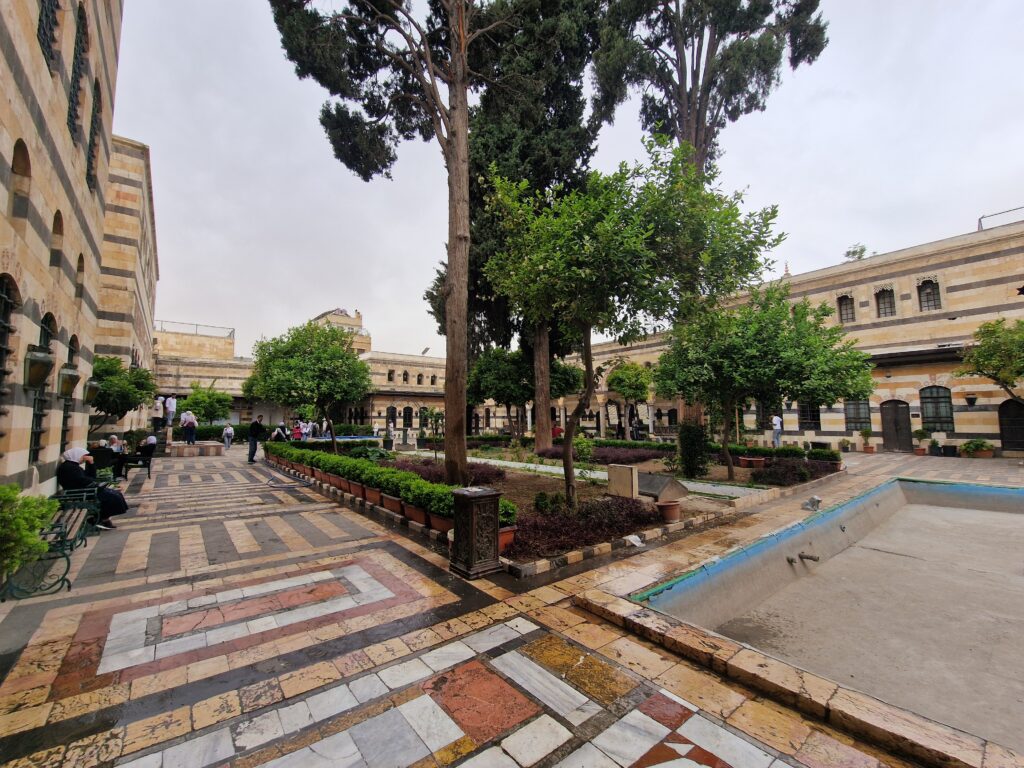
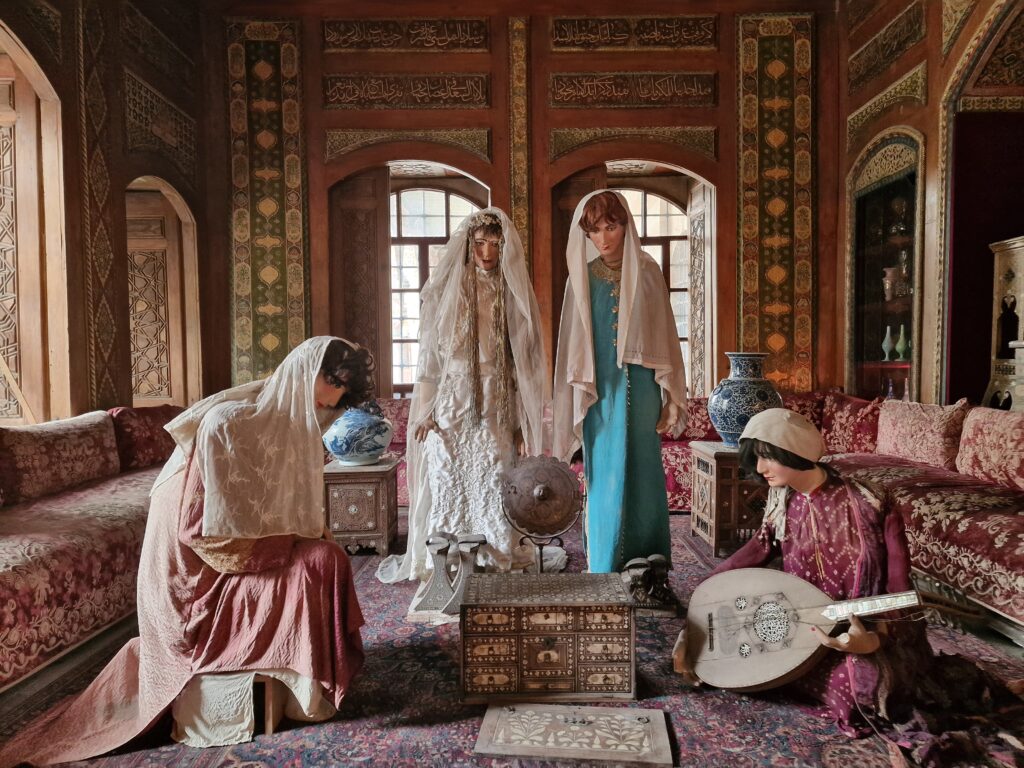
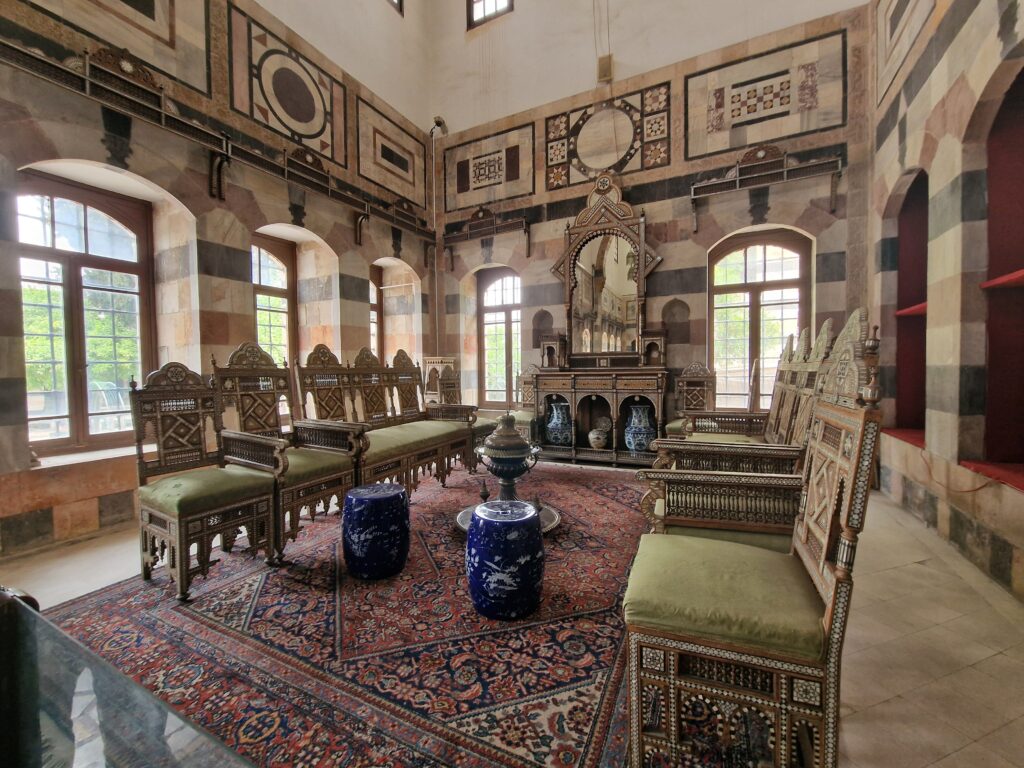
Next, we visited the breathtaking Al Azem Palace, an 18th-century wonder built by the Ottoman governor As’ad Pasha al-Azem himself. Wandering its tranquil courtyards, adorned with lush gardens and citrus trees, it felt worlds away from Syria’s recent history. Khaldoun’s harrowing tales, however, were never far from the present. As we tiptoed through opulent rooms decked out in Damascene glamour and slightly unnerving mannequins frozen in 19th-century poses, he shared stories of those who hadn’t been so lucky: friends, neighbours, and family members who had vanished into the darkness of Assad’s reign. Meanwhile, the man himself now lives it up in Moscow, sipping vodka on Dictator Row, sandwiched somewhere between a Belarusian oligarch and a Bond villain. Madness.
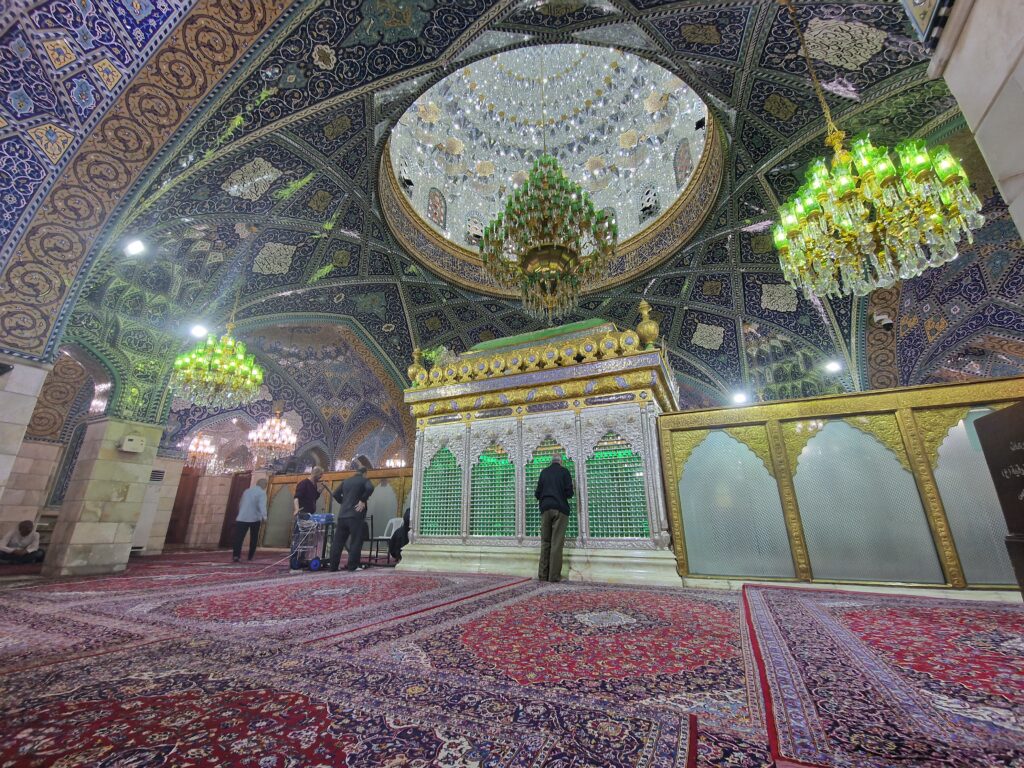
Our next stop was the dazzling Sayyida Ruqayya Mausoleum: an ornate sanctuary honouring the young granddaughter of the Prophet Muhammad. Covered from floor to ceiling in elaborate mosaics and delicate mirrorwork reflecting glittering chandeliers, the shrine made Versailles look like a Travelodge. No expense was spared when it was built, with the result something even Laurence Llewelyn-Bowen might class as slightly over the top. Families prayed quietly, some moved to tears, underlining how deeply this place resonates; it felt rather humbling to witness as an outsider first-hand.
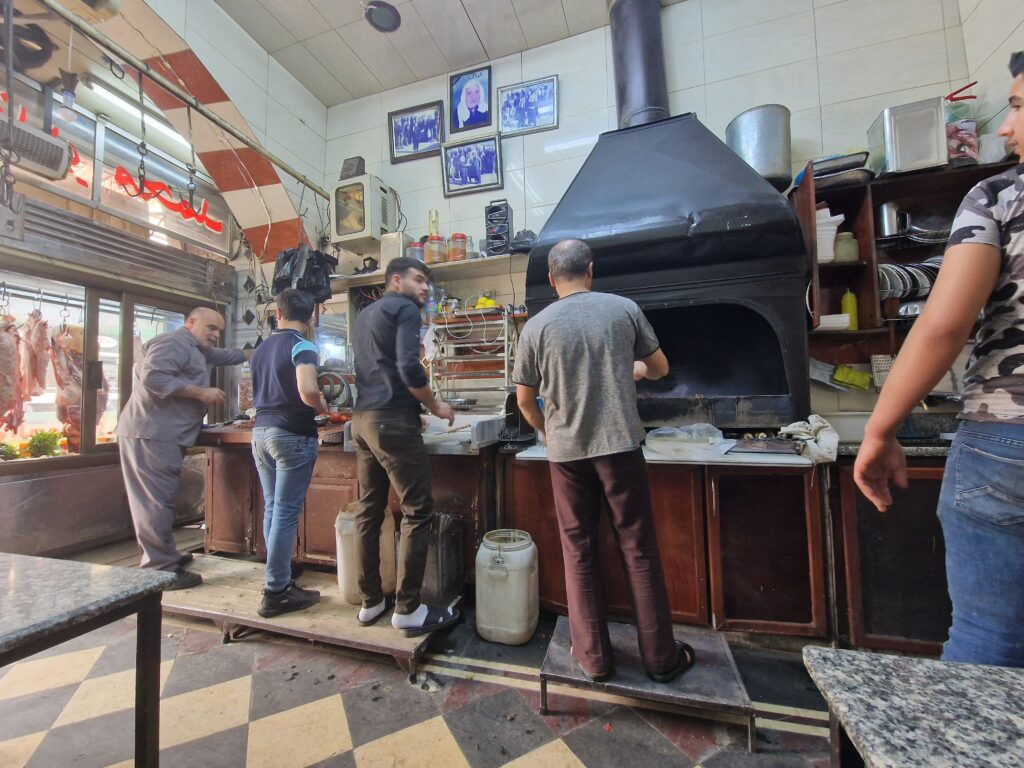
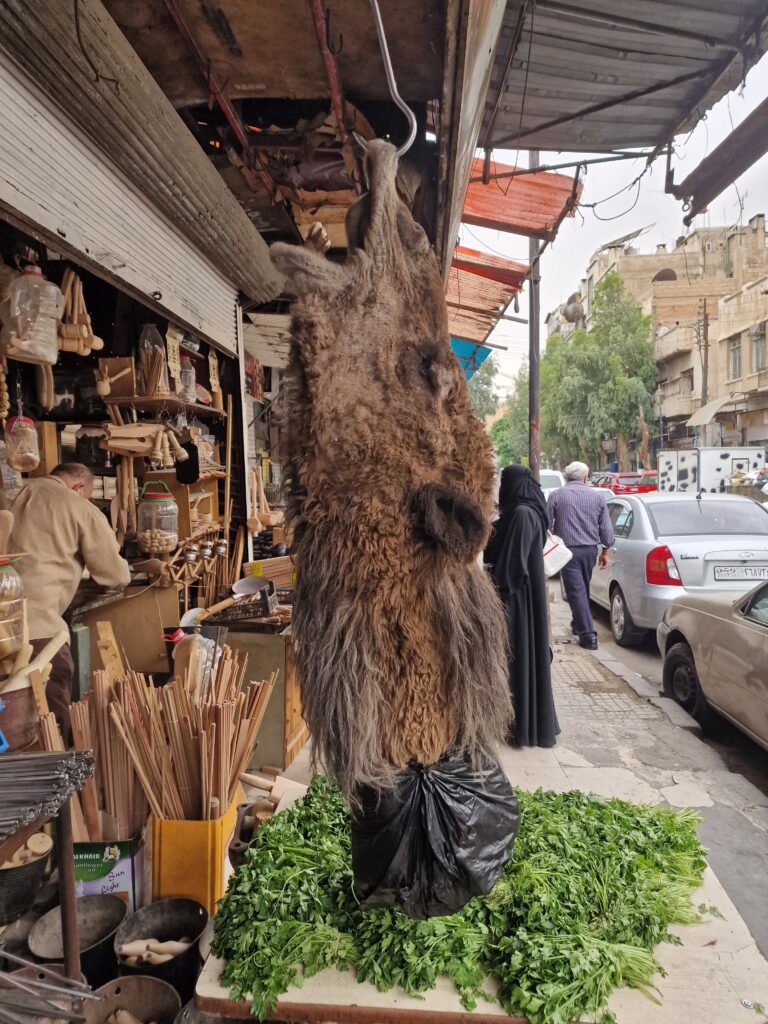
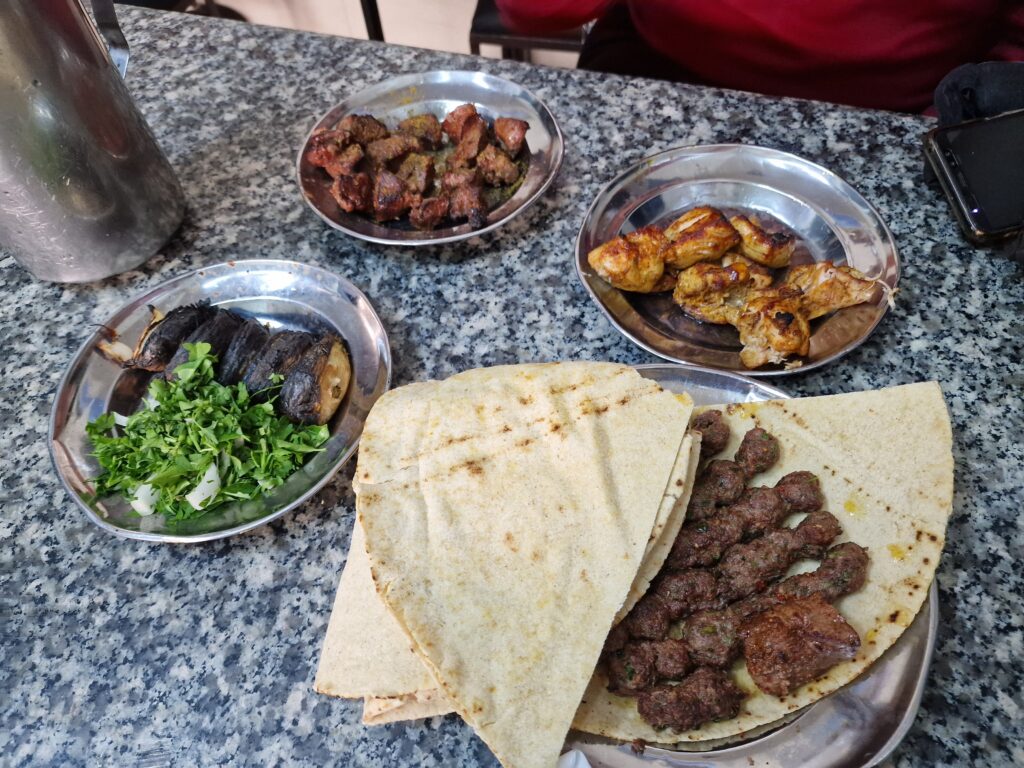
Having satisfied my cultural appetite, it was time to test my literal one. Khaldoun had promised something “special,” which turned out to mean “brace yourself.” I’d temporarily suspended my vegetarianism for the trip, unaware that my grand re-entry into the world of meat would be heralded by a severed camel’s head swinging gently in the breeze—its neck still attached, blood quietly pooling onto the sun-scorched pavement like some kind of morbid welcome mat. Camel restaurants in Damascus aren’t subtle, but they’re certainly easier to spot than your average Toby Carvery. Inside, multiple generations of the same family bustled around open grills, searing camel meat into succulent perfection. Honestly, it was rich, tasty, and genuinely brilliant—somewhere between lamb, venison, and guilt. I wouldn’t find out until much later that my stomach had scheduled a formal protest, but in the moment, it was absolutely worth it.
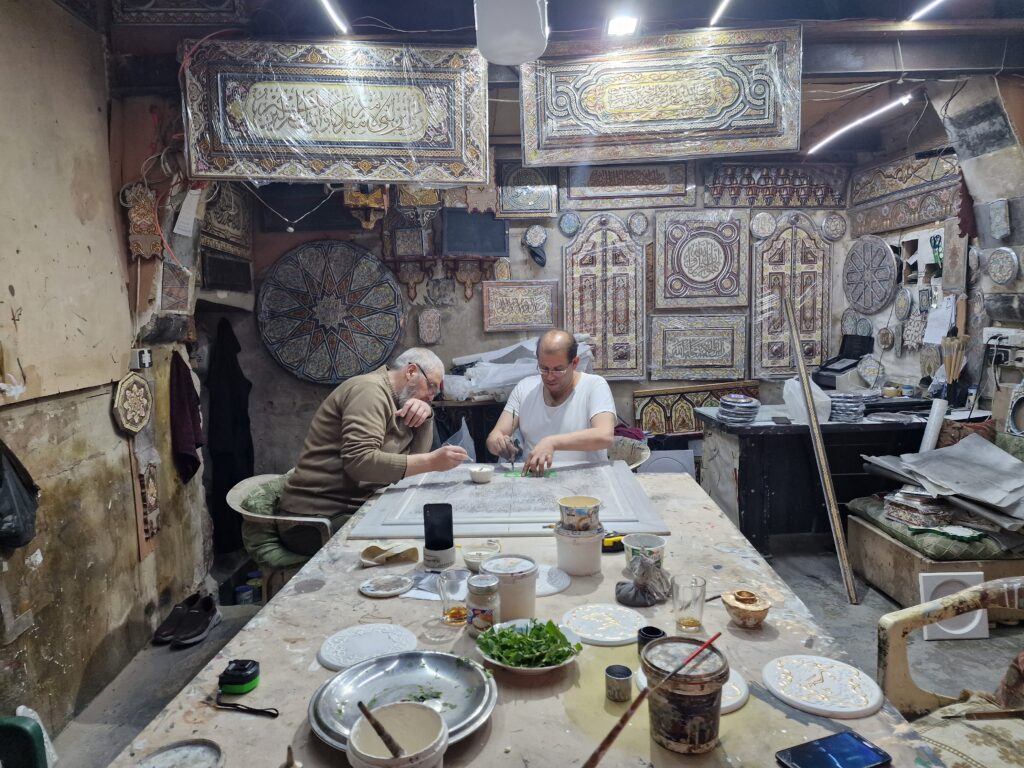
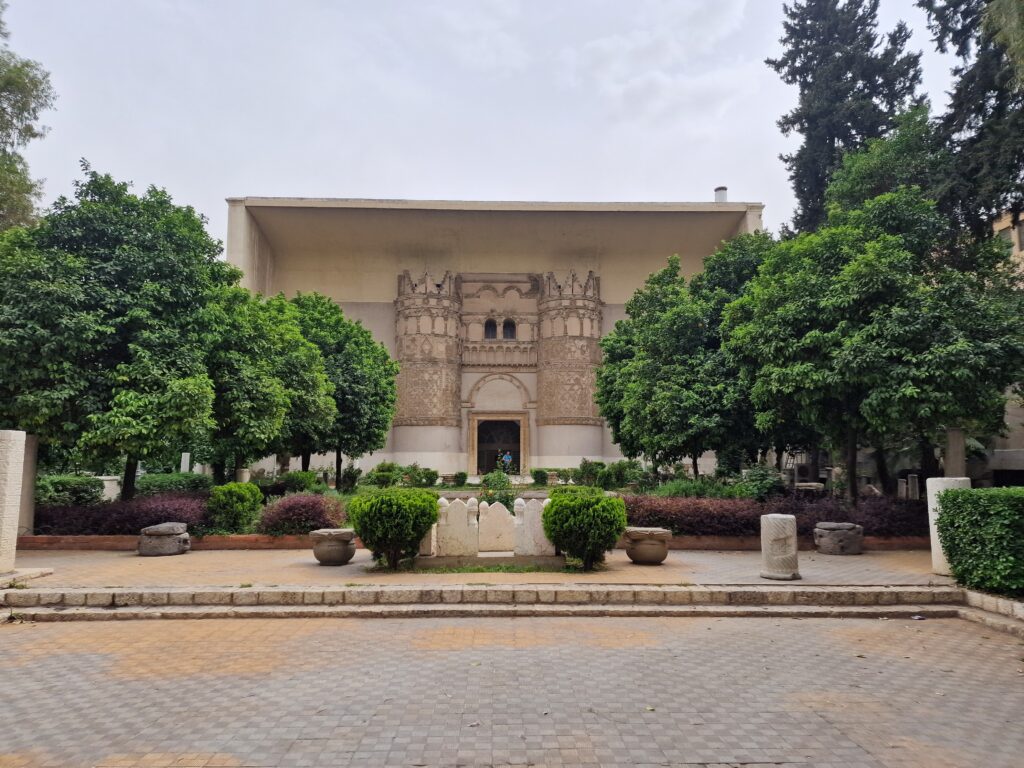
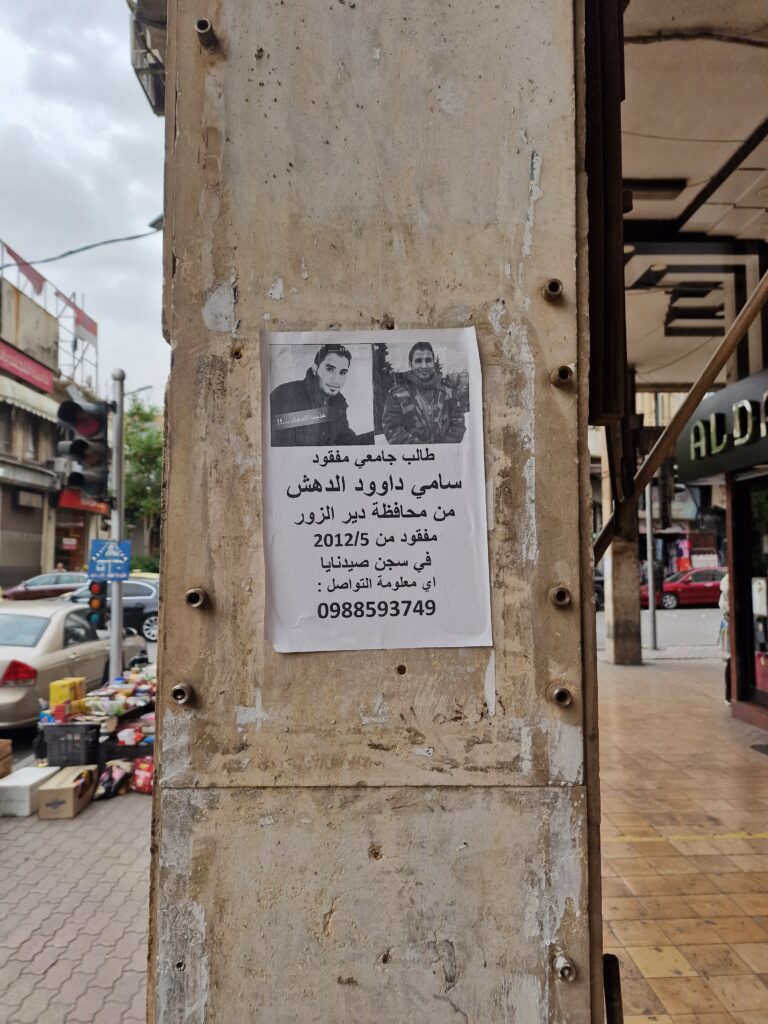
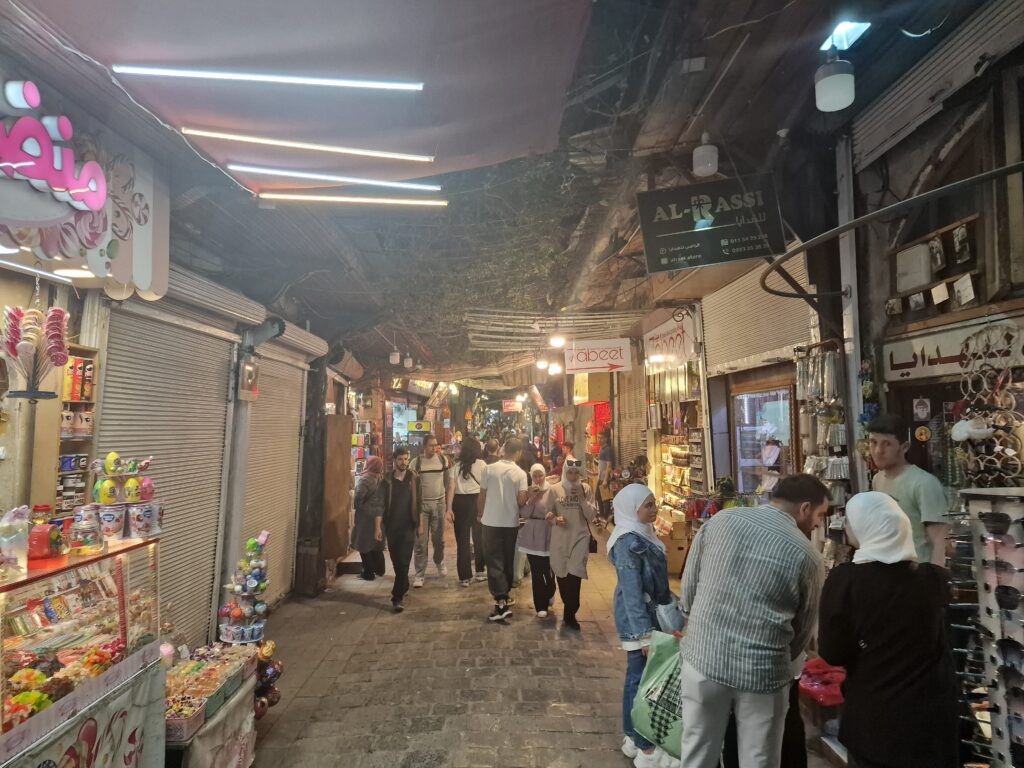
Our cultural feast continued at the National Museum, situated towards the modern outskirts of Damascus. Here, Syria’s immense heritage unfolded before me—from prehistoric artefacts to Roman mosaics and precious manuscripts, a staggering reminder of the cultural richness Assad’s war had risked annihilating. A collection of intricately detailed traditional clothing stood side-by-side with ancient, beautifully illustrated Qurans, narrating centuries of civilisation and tradition. The museum’s tranquil halls, lined with Damascene craftsmanship and archaeological wonders, painted a powerful picture of resilience and pride in Syrian identity. As daylight dwindled, Khaldoun led me into Damascus’ newer district. Here, shops buzzed energetically, stallholders shouting friendly greetings and bartering vigorously with shoppers, a picture of normality itself. Yet posters plastered everywhere told another story—faces of the missing, haunting reminders that the wounds of war remained raw.
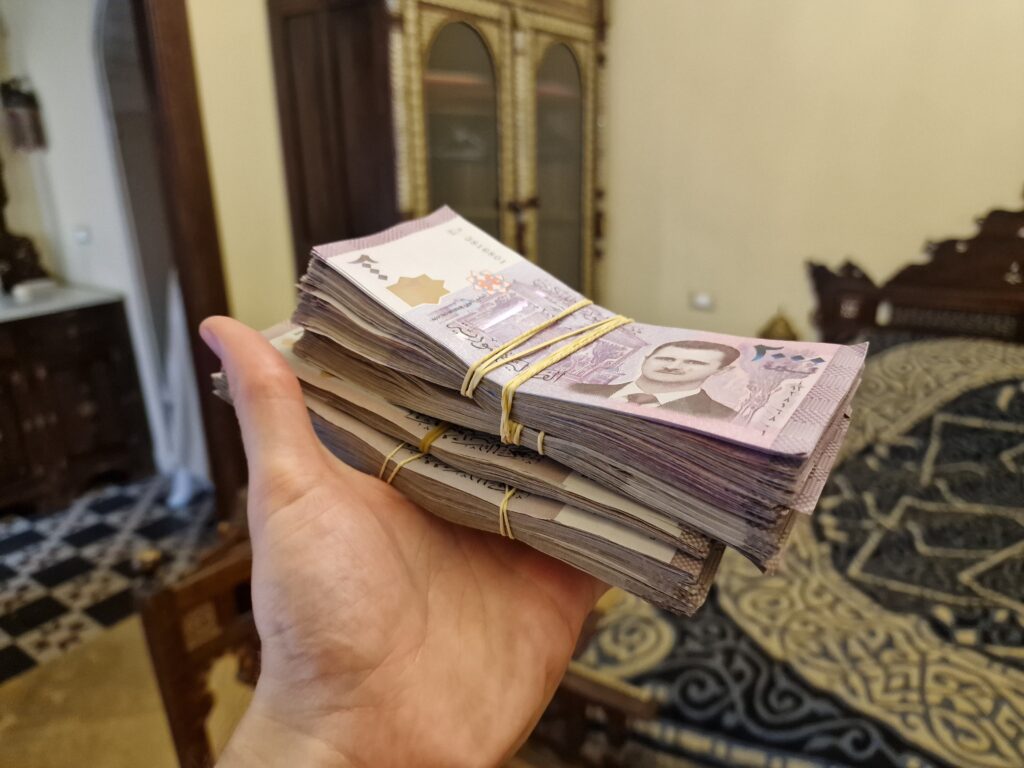
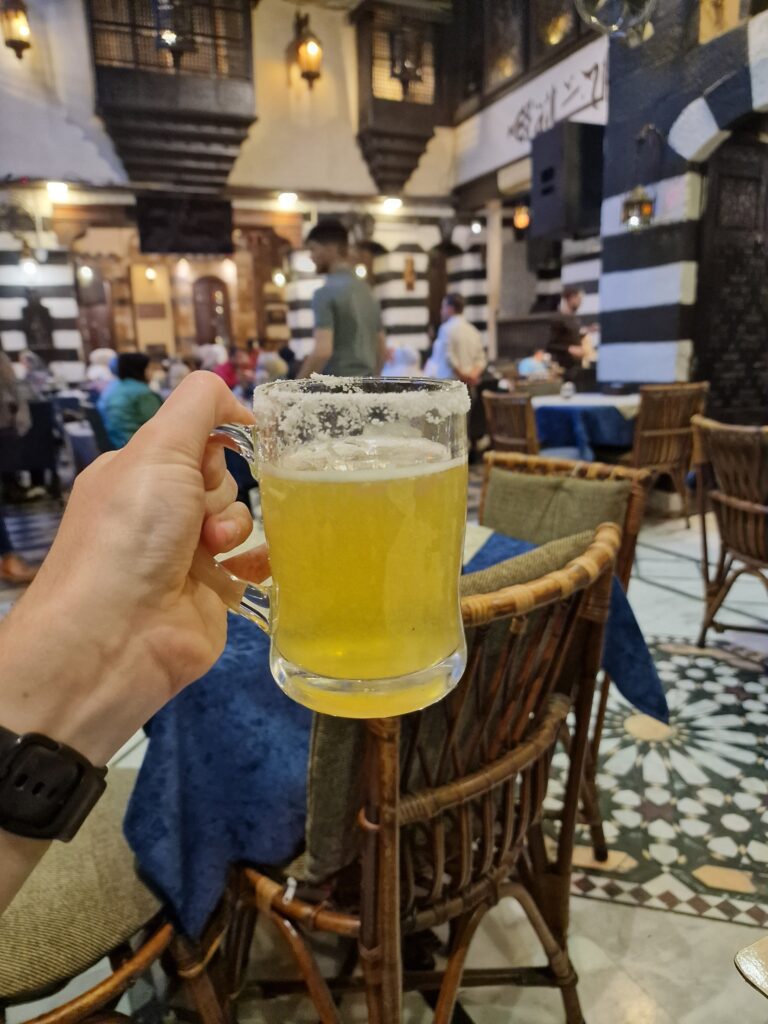
Finally, determined to end my Syrian sojourn with a clink of something vaguely alcoholic, I confessed to Khaldoun my longing for a beer. His brow creased in that particular way guides do when a tourist asks for something mildly illegal or potentially offensive. But Khaldoun, to his credit, rose to the challenge. We ducked into a dim little eatery hidden behind a curtain that suggested either secrecy or bad taste, where, to my delight, a glass was produced, rimmed with salt and filled with a liquid that tasted like it had passed through a moderately dehydrated camel. Still, in the absence of Budweiser, it was probably the best worst beer I’d ever had. As I prepared for my challenging crossing into Lebanon the next morning, I ruminated over a wonderful few days in the nation. Damascus, wounded yet welcoming, had offered me extraordinary history, unparalleled hospitality, and stark lessons in humanity. Syria wants—needs—tourists to return. And despite the challenges it continues to face, it richly deserves them.
J